CREATURE PRODUCTION
From idea.
To instinct.
Custom digital creature design, modelling, rigging and animation for film, games, advertising and XR. Commission a complete 3D creature or the production stage your team needs.
Discuss your creature briefExplore production stages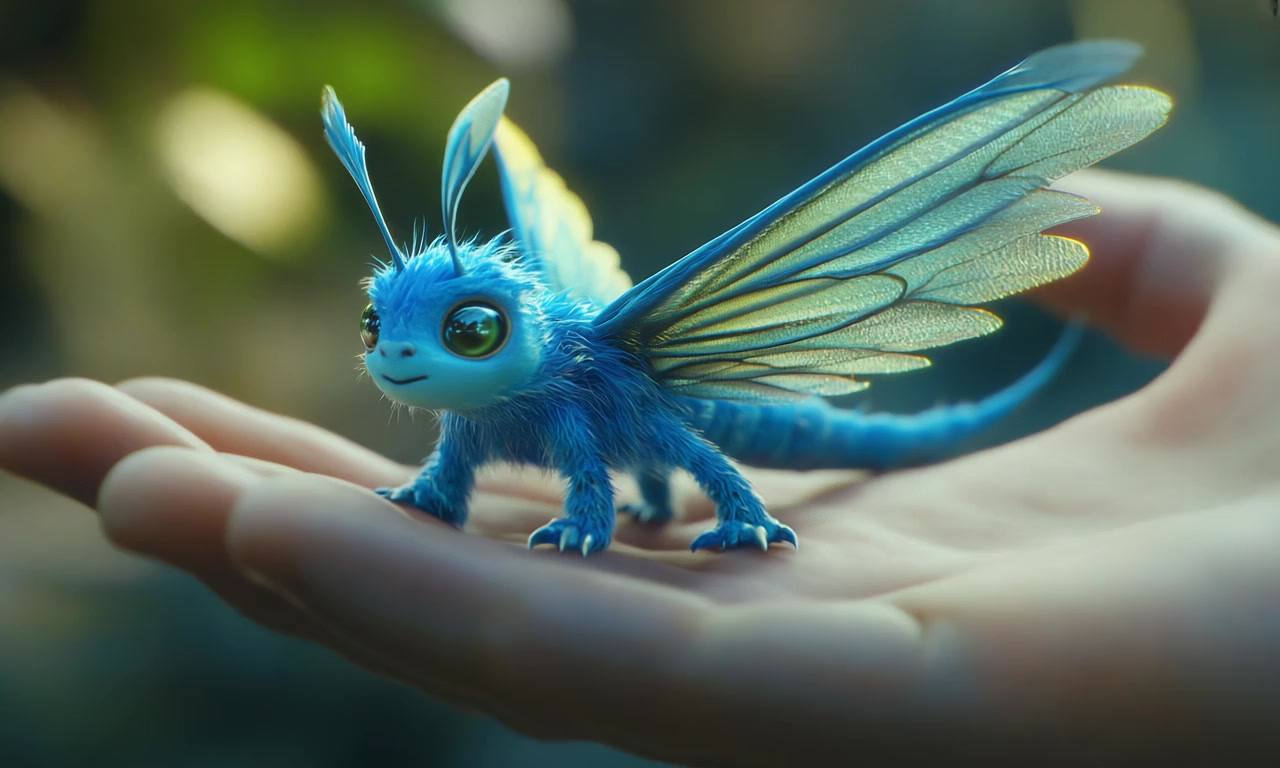
Choose your
starting point.
A complete creature or a specialist production stage. Explore the scope, then tell us what your project needs.
Creating for
the screen?
Explore creature production for film: shot requirements, digital animal assets and the handoff to your VFX team.
For a complete asset or a specific production stage.
Game creature design & animation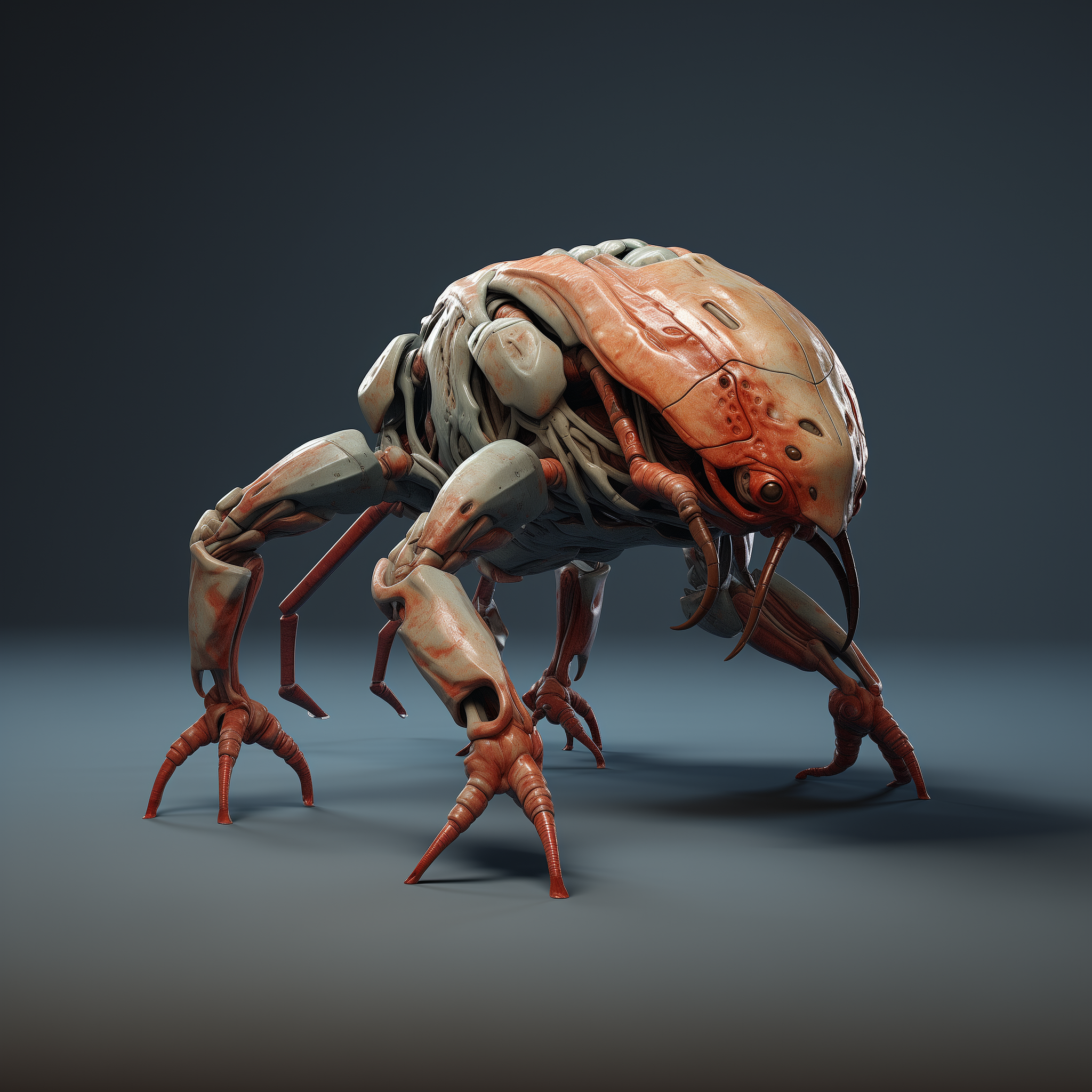
Concept Design
Creature design starts with a role in the story. We develop silhouette, anatomy and personality through concept exploration, considering how the creature will move and what an audience needs to read in its shape. The chosen direction gives modelling and rigging a shared visual reference for film, games, advertising or XR.
Grooming & Simulation
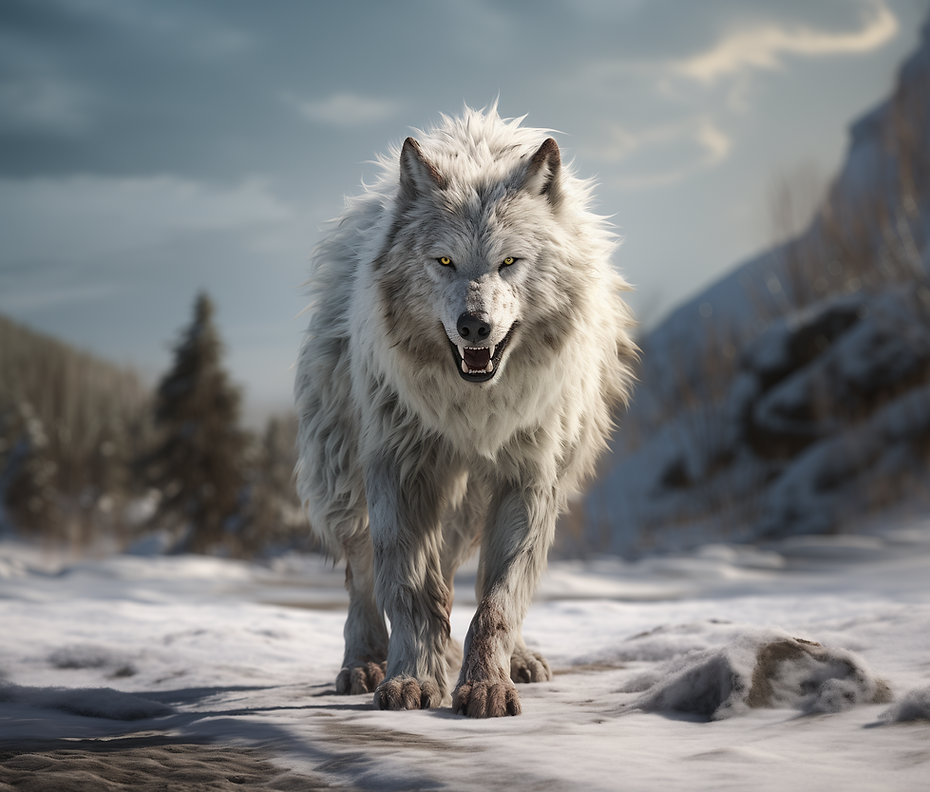
Fur, hair and surface movement change how a creature reads in a shot. Grooming defines length, density, direction and variation; simulation brings those features into motion. We plan the groom around the character, camera distance and production pipeline, with review focused on both appearance and behaviour.
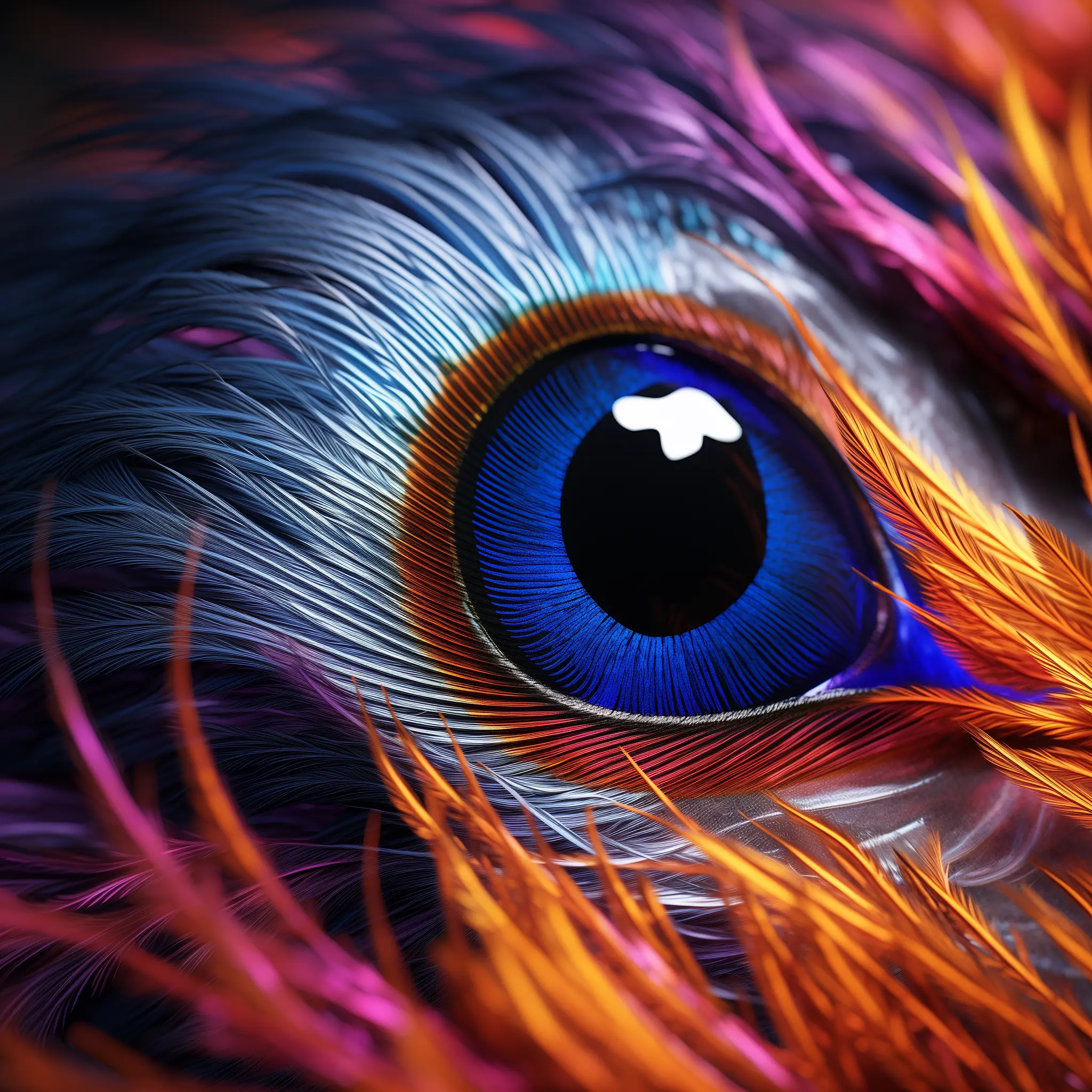
Modelling and Texturing
A convincing creature needs structure beneath its surface. We model anatomy and proportions, then develop skin, scales and other materials through texturing. Detail is planned around the intended shots or interactive use, while topology and surface decisions support the rig and the look of the finished character.
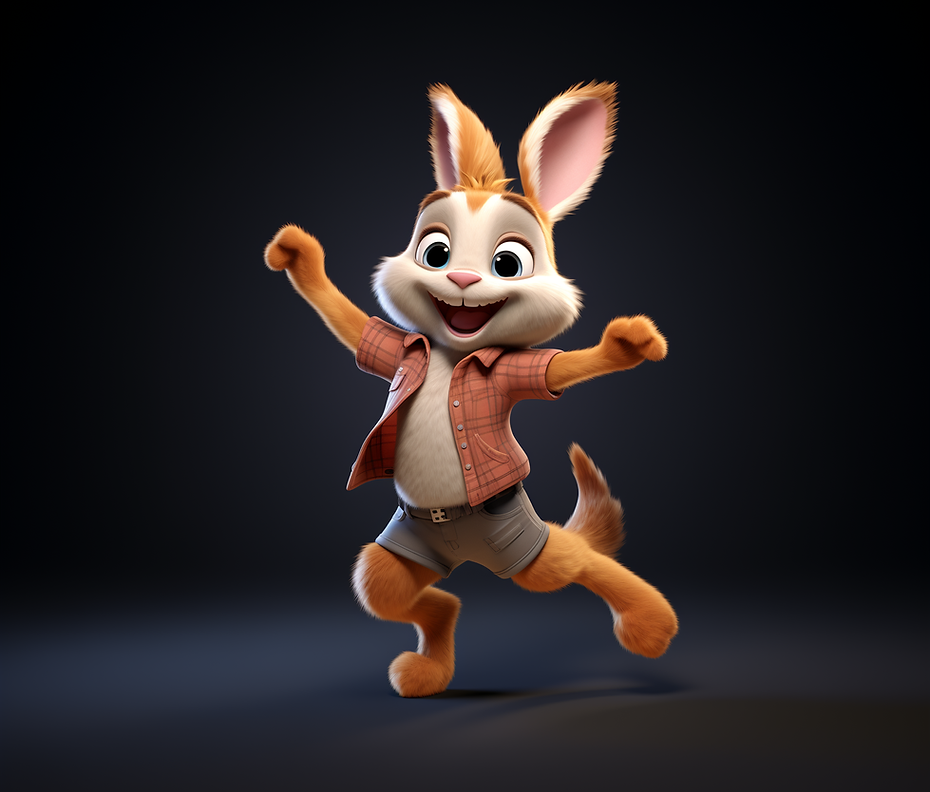
Rigging
A rig connects anatomy to performance. We build controls and deformation systems around the creature’s proportions, joints and required actions, from a grounded quadruped to an imagined species. Range-of-motion reviews help identify problems before animation, with rig complexity and delivery requirements agreed for the target production.
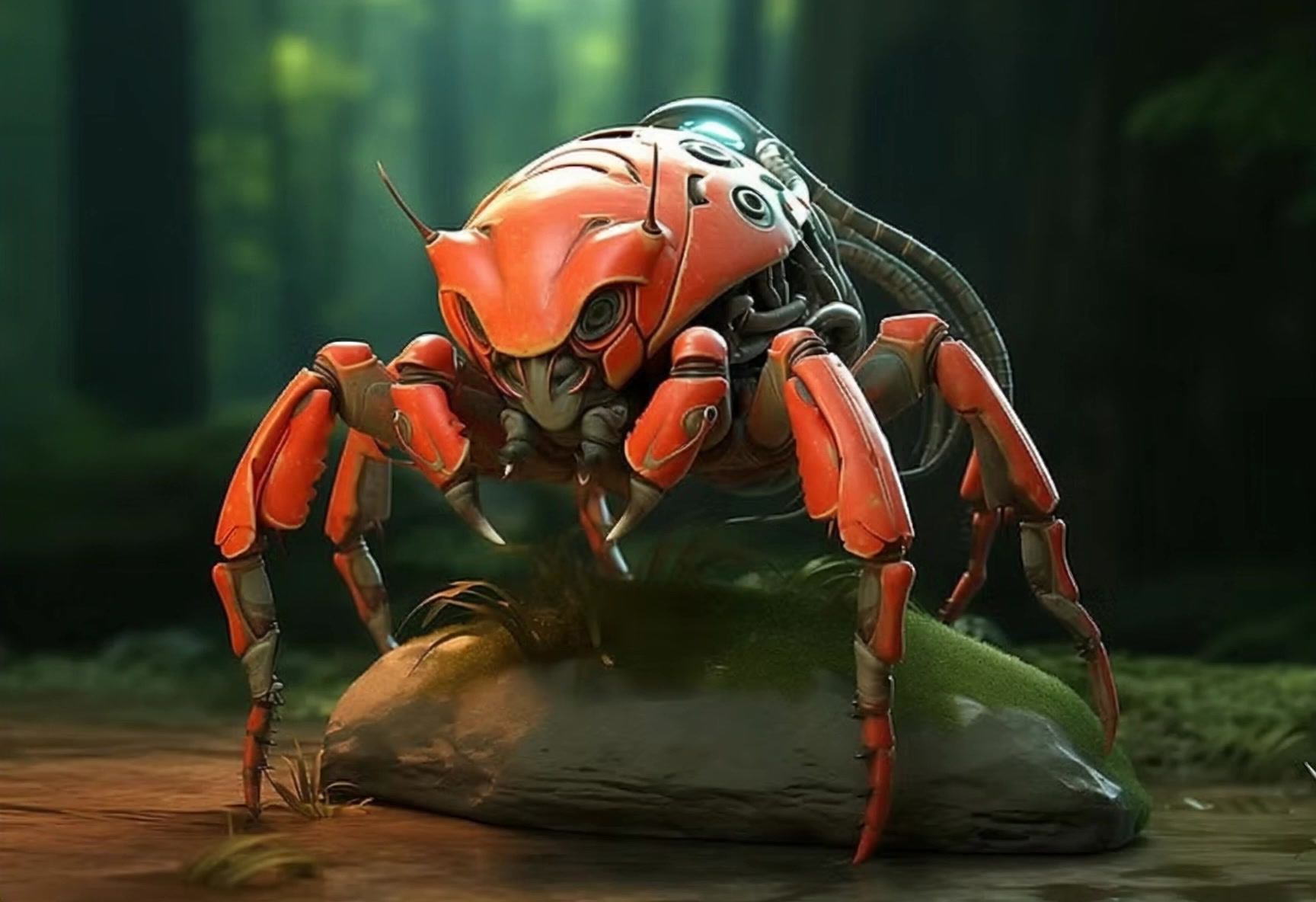
Creature Animation
Creature animation gives weight, intention and personality to a digital body. We develop locomotion, gestures and performance around the character’s anatomy and story, using reference to guide timing and contact. The approach is chosen for the brief, with keyframe work and any capture or AI-assisted methods discussed in context.
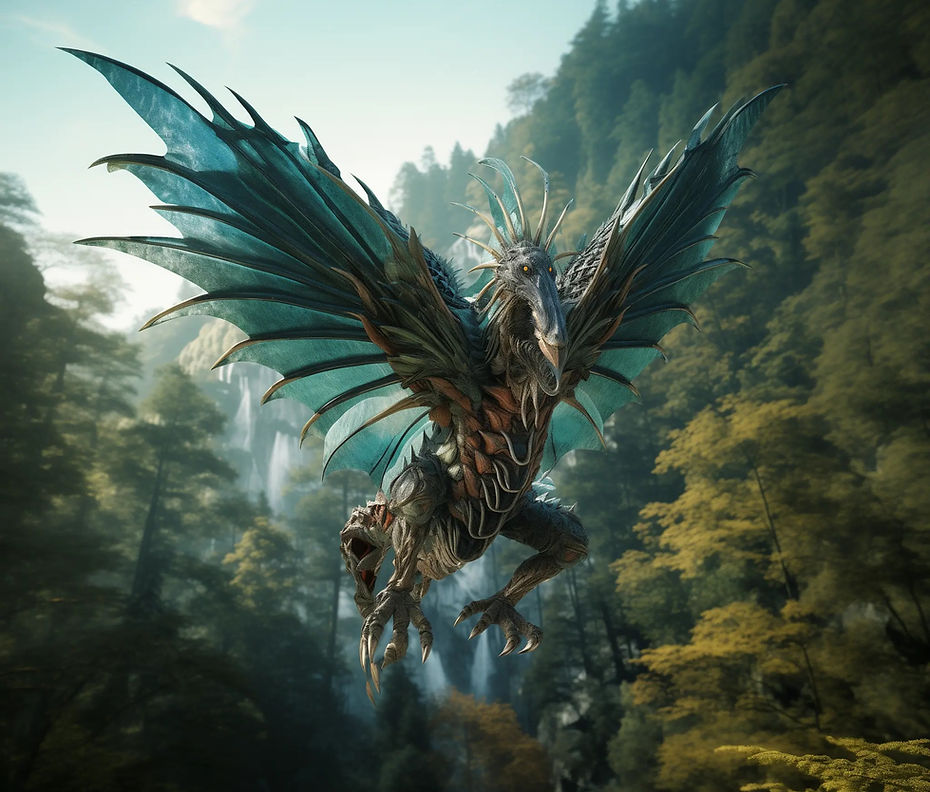
Creature Integration
The asset must work where the audience will see it. Integration brings the creature into a scene, renderer or real-time environment, with attention to scale, materials, rig behaviour and animation handoff. We agree technical requirements with the production team so that delivery can be reviewed against the intended use.
PROJECT QUESTIONS
Creature production FAQs.
Practical answers to help plan your next creature.
Discuss your projectWhat is included in your 3D creature production services?
The service offering covers concept design, modelling and texturing, grooming and simulation, rigging, creature animation and integration. A project can require different combinations of these disciplines. The scope should identify the assets, shots or animation clips to deliver and the stages that need approval.
Explore the production disciplinesWhat should creature concept design resolve before modelling starts?
Concept design should establish the creature’s silhouette, proportions, anatomy, personality and role in the story. References for scale and movement help resolve how it stands, moves and interacts. Approving these decisions early gives modelling, grooming and rigging a consistent direction.
Read about concept designWhat makes a 3D creature model ready for animation?
An animation-ready creature needs more than a detailed sculpt. Topology must support the intended deformation, and the model needs appropriate UVs and materials. Rigging and pose tests then reveal problems around joints, facial features and unusual anatomy before full animation begins.
Explore modelling and texturingHow does creature rigging differ from humanoid character rigging?
Creature rigging follows the anatomy and required actions of the character. Extra limbs, wings, tails or a quadruped stance need controls and deformation suited to that body. Movement and pose tests help check balance, ground contact and how the surface behaves through the intended range of motion.
Explore creature riggingWhat is the difference between grooming and fur simulation?
Grooming defines the appearance of fur or hair, including its direction, length, density and variation. Simulation describes how it responds to movement and forces. The two need to work together, with detail and motion planned around camera distance, style and the rendering pipeline.
Explore grooming and simulationHow are creature animation requirements different for film and games?
Film animation is usually planned around specific shots, cameras and performance beats. Game animation often needs reusable actions and transitions that respond to player or gameplay input. Both need believable weight and intent, but clip structure, looping, interaction and technical constraints differ.
Explore creature animationWhat affects the cost and schedule of a creature animation project?
The main factors include creature complexity, realism, fur or simulation needs, rig requirements, shot count or animation length, and the delivery platform. Existing assets, review rounds and changes to approved designs also affect the workload. Pricing and milestones should be agreed against a defined brief.
Request a project discussionWhich files and assets should be agreed before production?
Define whether the delivery includes models, texture maps, rigs, animation clips, simulation caches or rendered shots. Confirm software and engine versions, scale, naming, frame rate and technical budgets. Source-file access, permitted use and revision rounds should be recorded in the project agreement.
Read about creature integrationPlan your custom creature design
A complete creature, one production stage or support for an existing asset: tell us where your project starts. A concept package, an animated asset and final rendered shots need different estimates.
Scope your creature projectProduction context
For example, a film close-up may need fine surface detail, while an interactive companion needs a defined animation list and device budget. We agree the deliverables and acceptance criteria before production.
What to send
Share the creature’s role, visual references, scale, required actions and intended platform. Include available source assets, file and output specifications, technical budgets, review owners and milestones. Mark any requirements still to be decided.
What we agree before production
Define the production stages, deliverable files, revision scope and acceptance tests. Identify who owns engine integration or final compositing, and how the receiving team will review the asset.
Built for your production.
Film & VFXGamesAdvertising & mascotsXR & immersiveSpecialist work.
A focused brief.
Digital animal doubles
Digital animal doubles recreate a specific animal as a usable 3D asset. We scope capture, modelling, texture development and deformation requirements around the animal, the shots and the receiving VFX pipeline.
Explore the serviceCreature grooming & fur
Creature grooming turns coat references into a controlled fur design. We plan length, direction, clumping, deformation and shading around the character’s silhouette, camera distance and production pipeline.
Explore the serviceCreature facial rigging
Creature facial rigging gives animators control over non-human expressions. We scope facial poses, blendshapes, joint behaviour and animator controls around the creature’s anatomy and the performance it needs to deliver.
Explore the serviceFrom the project archive.
Selected work by Mimic Productions, with the contribution identified for each production. Explore the case study to see which disciplines were involved.
Samsung Willow
For Kingdom of Something’s Samsung commercial, Mimic Productions developed Willow through character creation, modelling, grooming, keyframe animation, look development and rendering.
Explore the case studyThe Hunger Games
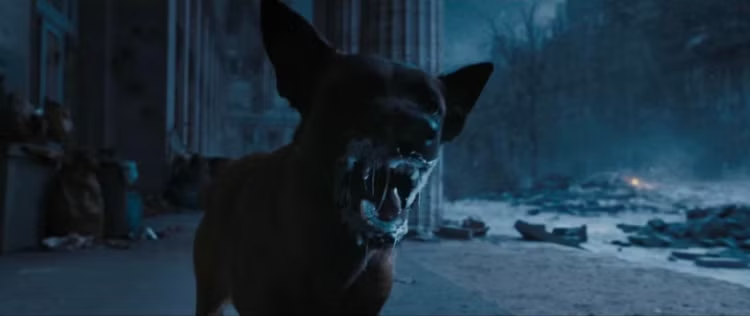
Mimic Productions scanned canine performer Demeter for Film Service Babelsberg, then developed the mesh, textures and blendshape models for the receiving VFX team.
Explore the case studyEtisalat
Character rigging and animation through UPP.cz.
Explore the case study