Form & anatomy
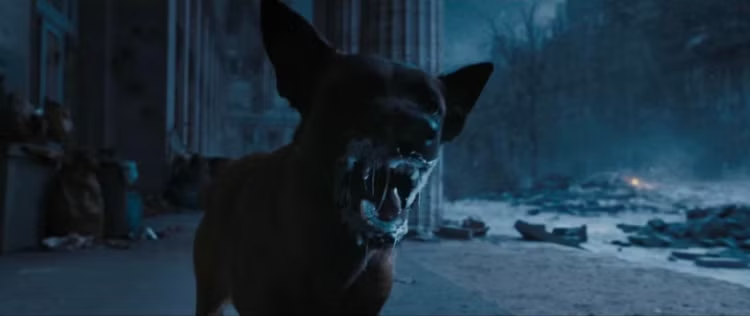
Develop proportion, silhouette and anatomical landmarks against the agreed concept. Review the creature from multiple angles before refining small details.
 DISCOVER THE WORK
Creature modelling & texturing
Creature modelling and texturing for film, games, advertising and XR. From the first readable silhouette to a surface that holds up in your production.
Discuss your creature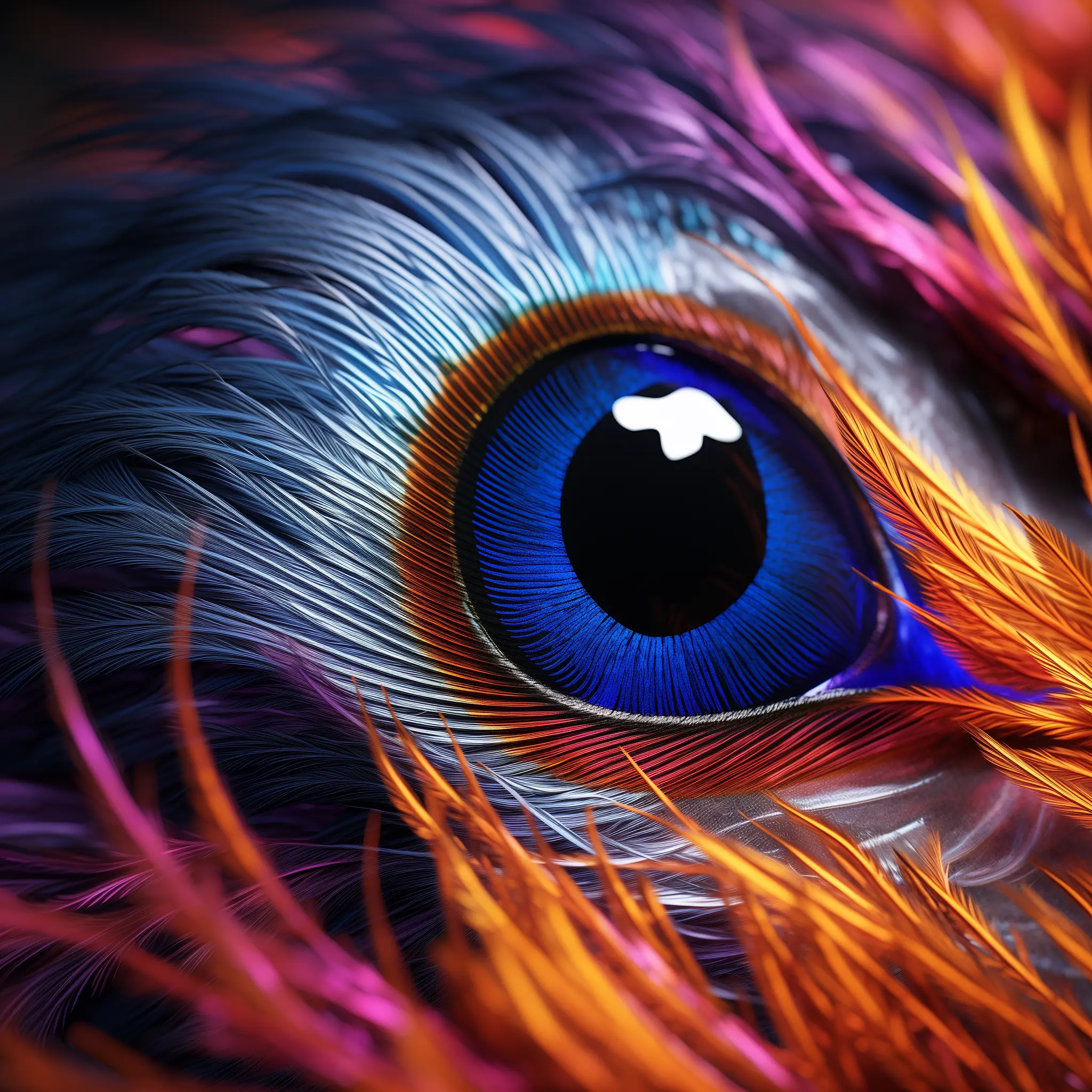
A close-up creature and a real-time character ask different things of a model. We plan anatomy, surface detail and deformation around the camera, the intended movement and the destination pipeline. The result starts with a clear visual direction and a shared definition of delivery.
Develop proportion, silhouette and anatomical landmarks against the agreed concept. Review the creature from multiple angles before refining small details.
Plan the mesh around joints, facial requirements and the expected range of movement. Rigging needs should inform the model before handoff.
Develop materials and texture detail appropriate to scale, camera distance and lighting. Agree UV, map and resolution requirements for the target pipeline.
Define naming, scale, file formats and any rig or groom dependencies together. Real-time budgets, LODs and source-file delivery are agreed in the scope.
A typical review package can include turntables, neutral-lighting renders and topology views. These make proportion, surface and mesh decisions easier to approve before rigging begins.
Agree whether delivery includes the production mesh, sculpt source, UV layouts, texture maps and material setup. File versions, units and texture naming should match the receiving pipeline.
Camera distance affects the detail that needs geometry, texture or shading. Share representative framing early so effort goes into the parts an audience will actually see.
A new silhouette or limb proportion can affect topology, UVs, textures and the rig. Review those dependencies together before changing an approved model.
Share concepts, reference, target medium and the actions the character needs to perform.
Approve silhouette and proportions in a blockout before detailed sculpting.
Review topology, texture and material direction against the intended use.
Review the agreed asset package and its dependencies with the receiving team.
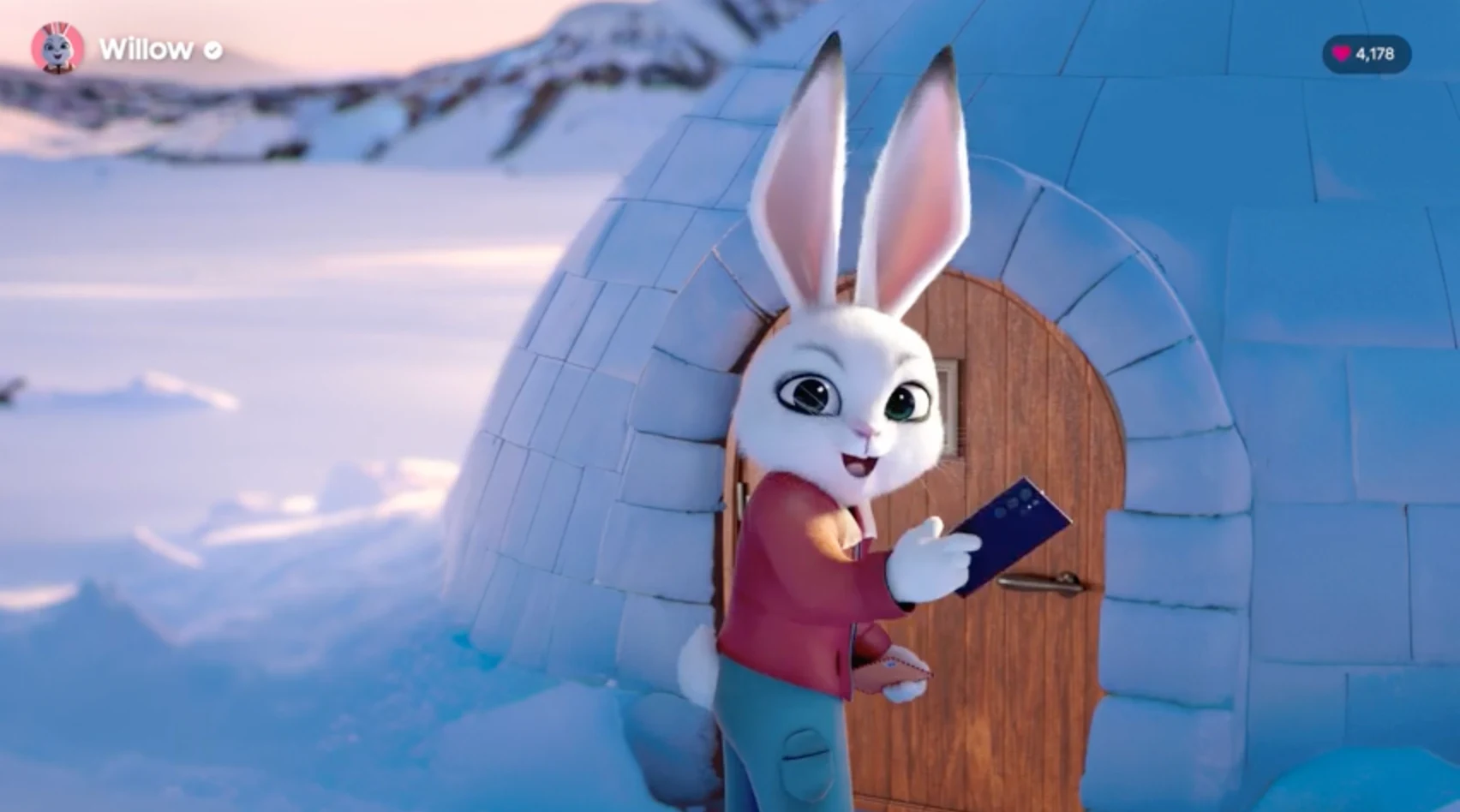
Related work / Mimic Productions
Explore the Mimic Productions project record for Willow: modelling, grooming and look development alongside character performance.
View the projectYou do not need every answer before getting in touch. These details help us understand the production.
Talk to the teamYes. Share the concept and any existing assets so the team can review what is established and what still needs development.
Those are separate production stages. They can be scoped together, but a model delivery should not be assumed to include a rig, groom or finished animation.
The visual direction can be shared, but geometry, textures and shading may need different treatments. Define both destinations before production so the required versions can be planned.