Rig requirements
Define the skeleton, control needs and deformation range around the approved anatomy and actions. Unusual limbs, wings or tails need explicit movement references.
 DISCOVER THE WORK
Creature rigging & animation
Creature rigging and animation shaped by anatomy, weight and intention. Build a performance that belongs to your film, game, campaign or immersive world.
Discuss your creature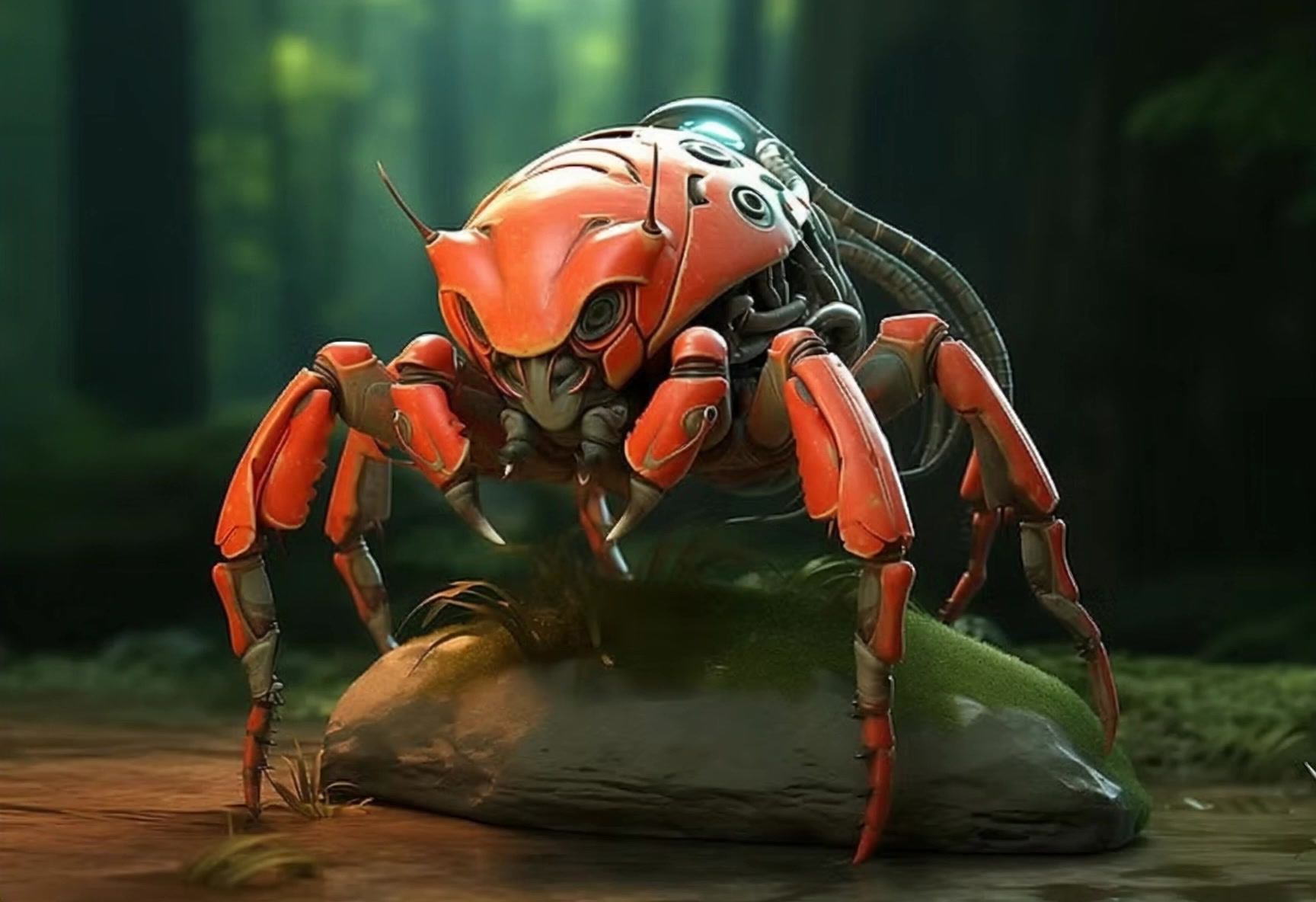
Believable movement begins with what a creature needs to do. Its weight, balance and personality guide the technical setup and the animation. We discuss the required actions early, so the rig supports the performance rather than limiting it.
Define the skeleton, control needs and deformation range around the approved anatomy and actions. Unusual limbs, wings or tails need explicit movement references.
Check poses and joint behaviour before building a larger animation set. Agree how facial features, secondary parts and any groom interact with the rig.
Develop timing, weight shifts and readable intent through blocking and animation review. Film shots and reusable game actions are scoped differently.
Agree clip or shot requirements, naming, frame rate, export settings and integration checks with the receiving team. Engine-specific requirements belong in the brief.
Agree controls, deformation tests, facial requirements and the supported software version. A review scene with representative poses helps the receiving team understand the intended range.
For film, define shot length, camera, frame rate and editorial handles. Blocking review establishes intent and timing before polishing contact, weight and secondary movement.
For interactive work, define clip names, loop boundaries, transitions and root-motion requirements. Agree export and engine checks before producing the full set.
Gather notes against a specific version and frame range. Separating rig problems from performance notes helps the team resolve the cause rather than repeat revisions.
Define the character, performance references and the shots or animation list.
Review range of motion and representative poses before animation production.
Move from blocking into refined timing, weight and secondary movement.
Check the agreed shots or clips against their intended scene or interactive use.
Related work / Mimic Productions
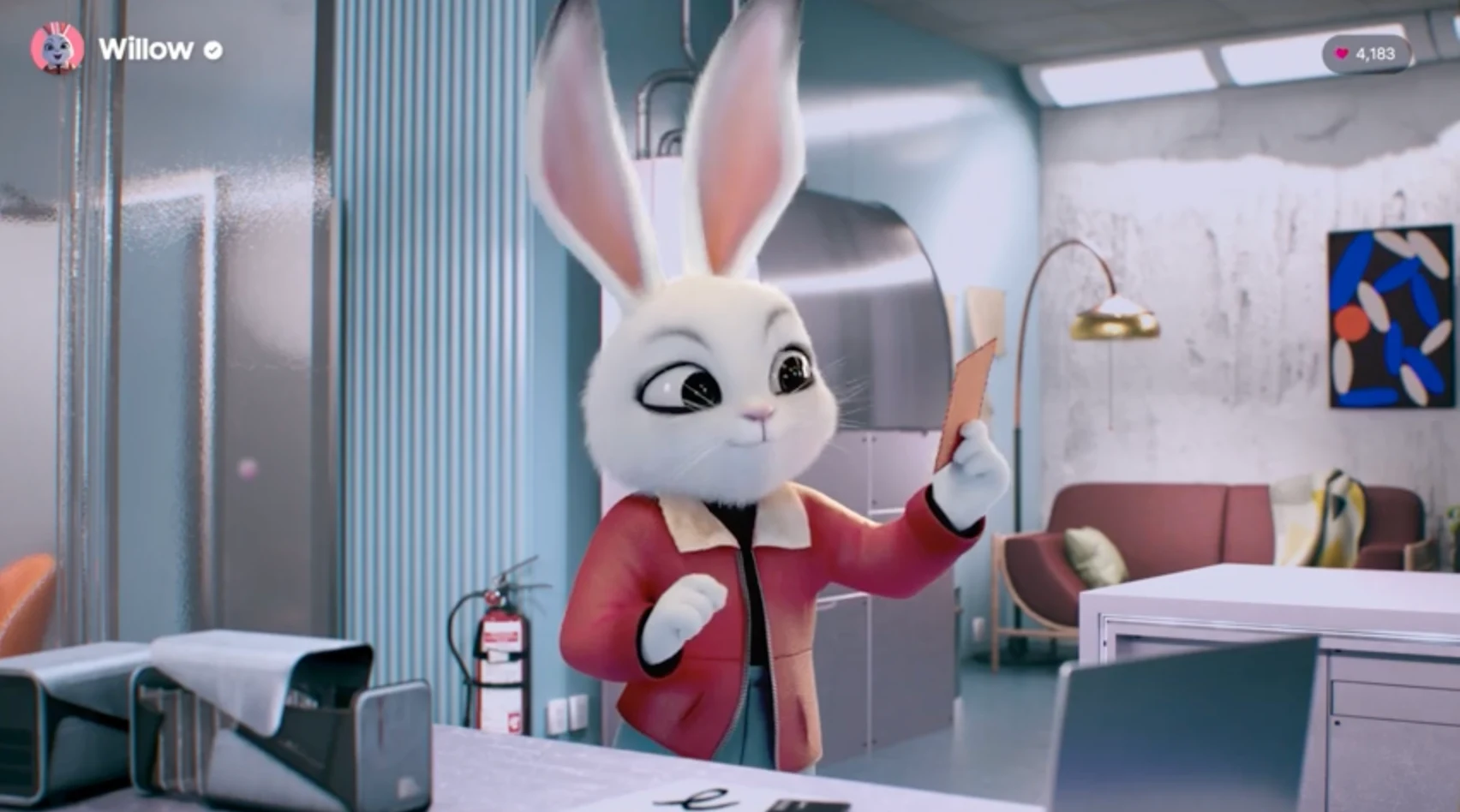
See how the Mimic Productions Willow project combined rabbit anatomy with expressive gestures, rig refinements and animation touchups.
View the projectYou do not need every answer before getting in touch. These details help us understand the production.
Talk to the teamShare the model, rig and required actions. The team will assess whether the existing setup supports the performance or needs additional work.
Start with anatomy, balance, contact and the creature’s intended behaviour. References and pose tests help establish rules for an invented creature without making every movement feel human.
No. The production approach depends on the creature and its actions. Discuss keyframe animation and any useful reference or capture material during planning rather than assuming one technique suits every character.