TECHNOLOGY
The science
of believable.
The systems behind the skin. Rigging, capture, rendering and intelligent workflows.
Explore
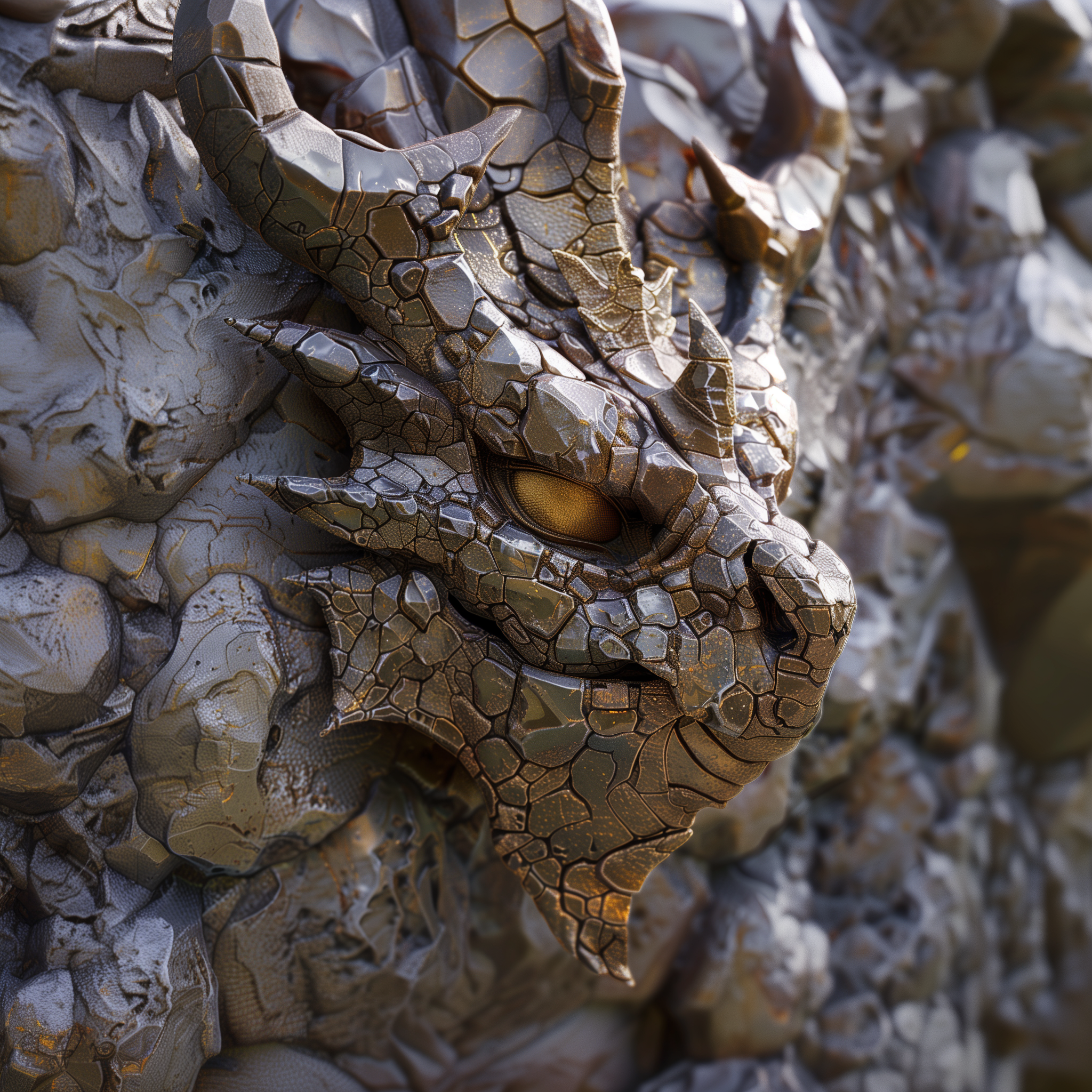
Advanced Rigging & Grooming
Rigging and grooming connect a creature’s structure with its visible performance. Joint placement, deformation and fur behaviour need to work together, especially in close-up or extreme poses. We plan these systems around anatomy and motion requirements, then review how the surface responds when the character moves.
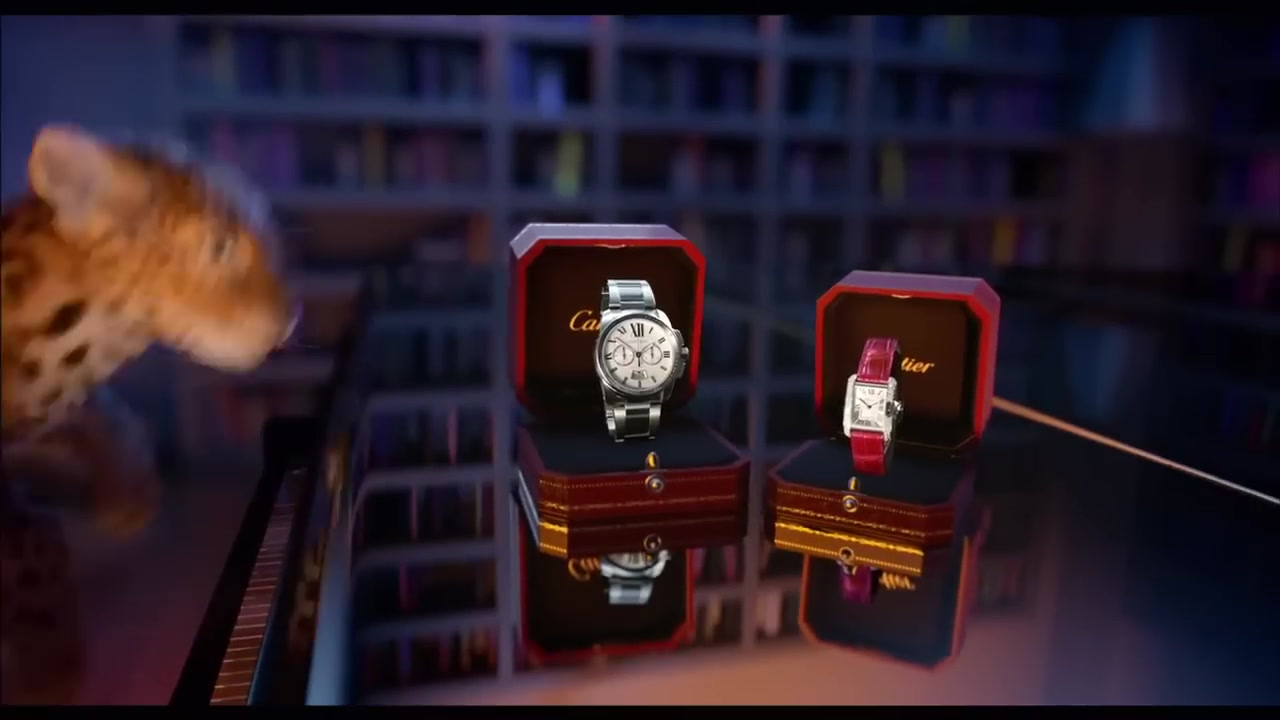
AI-Driven Animation
AI-assisted techniques can support motion exploration and responsive character workflows. Their usefulness depends on the brief, the available inputs and the degree of artistic control required. We discuss where they fit alongside animation and technical review, rather than treating generated movement as a finished creature performance.
High-Quality Texturing
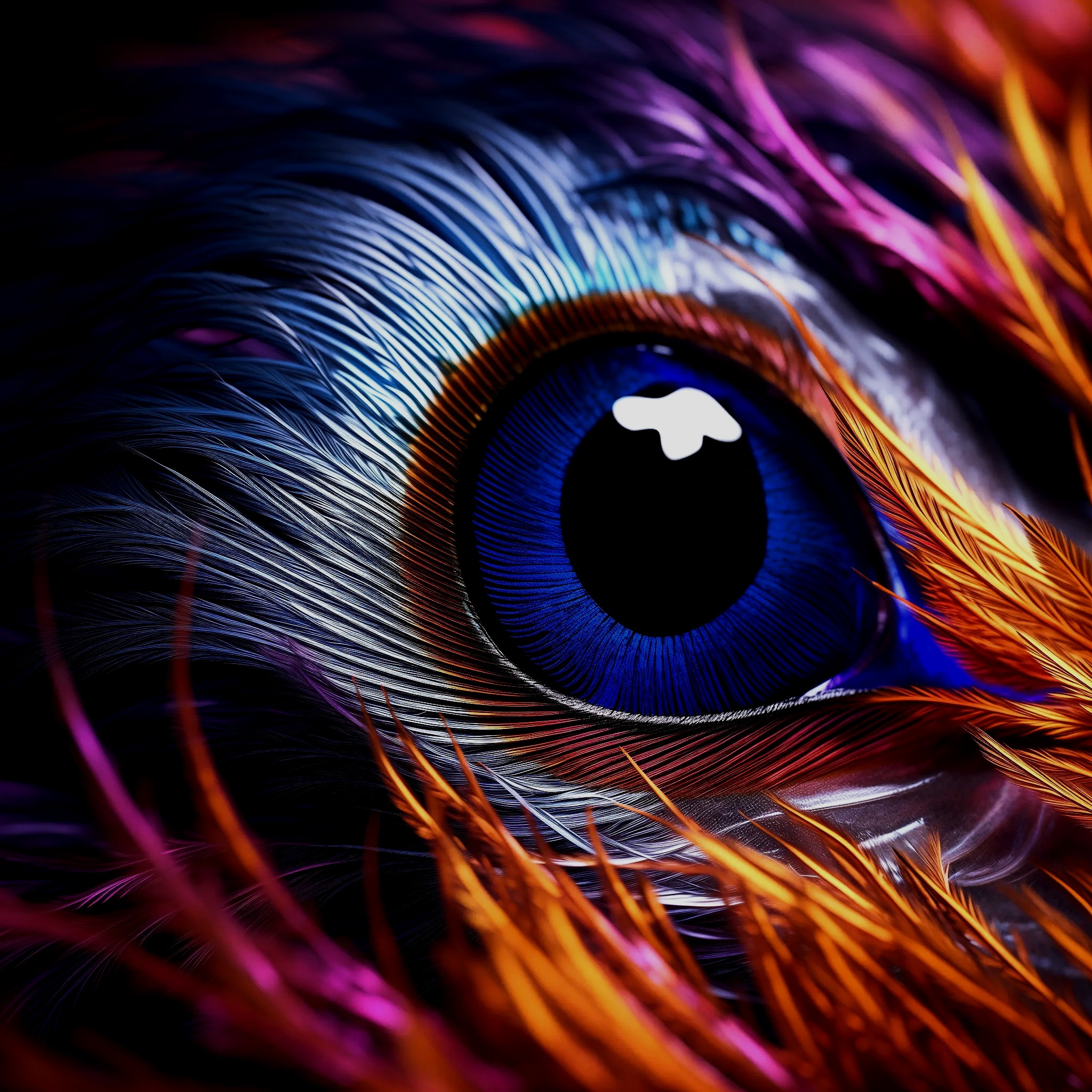
Texturing gives a creature’s surface its material identity. Skin, scales, fur and armour need coherent colour, roughness and fine detail under the intended lighting. Our workflow considers camera distance and the target renderer, so surface decisions can be assessed in the context of the final image.
Real-Time Rendering & Optimization
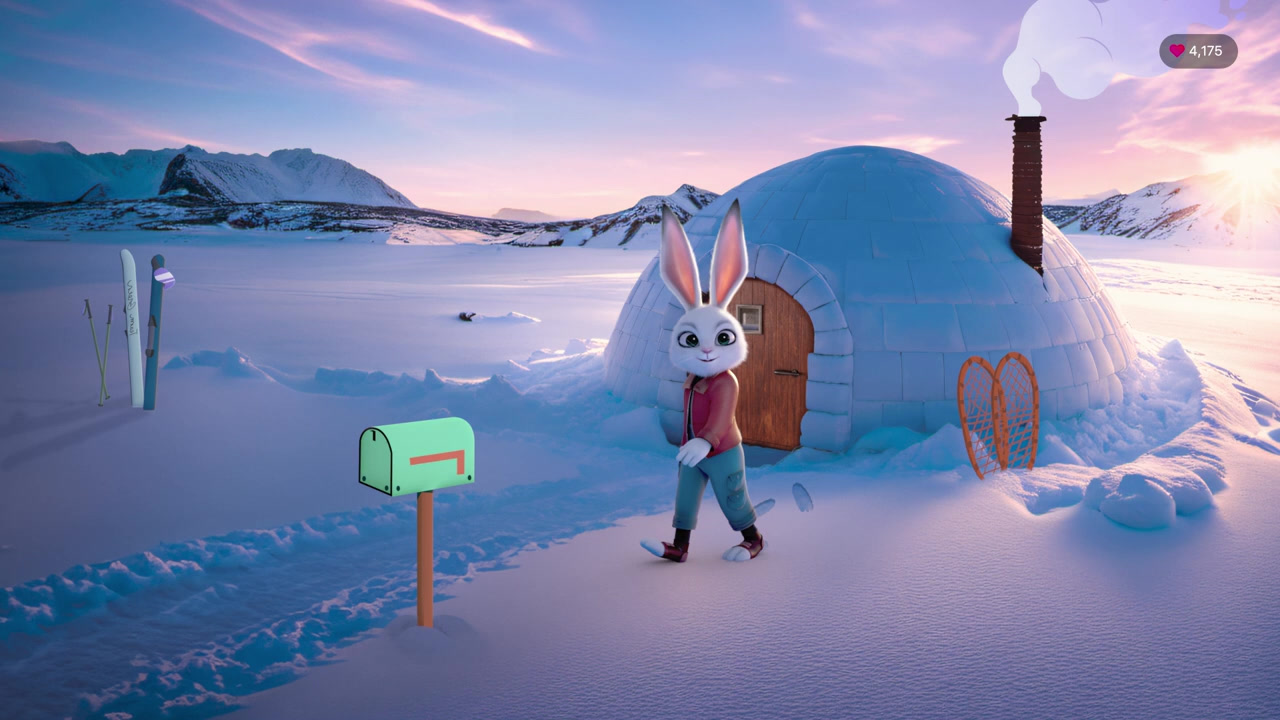
Real-time creatures must balance visual detail with the needs of the application. Geometry, texture resolution, materials and rig complexity all affect that balance. Optimisation is planned for the target engine and platform; performance requirements and the conditions for testing should be agreed with the development team.
3D Scanning
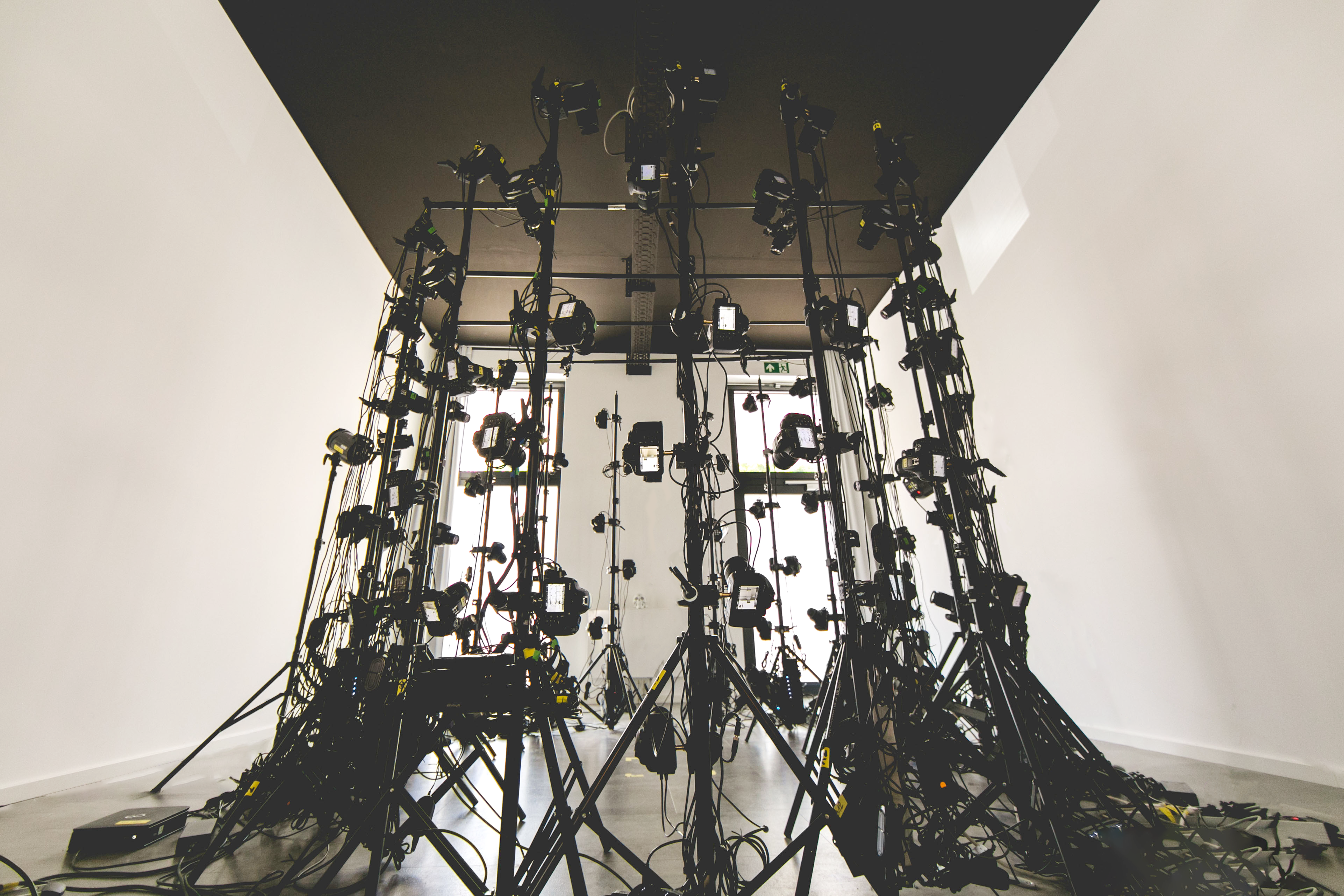
3D scanning supplies physical reference for digital asset creation. Captured shape and surface information can support modelling and texturing, but the resulting data still needs interpretation and preparation for animation. The subject, capture conditions and intended use determine what can be captured and how the scan contributes to the creature.
Motion Capture
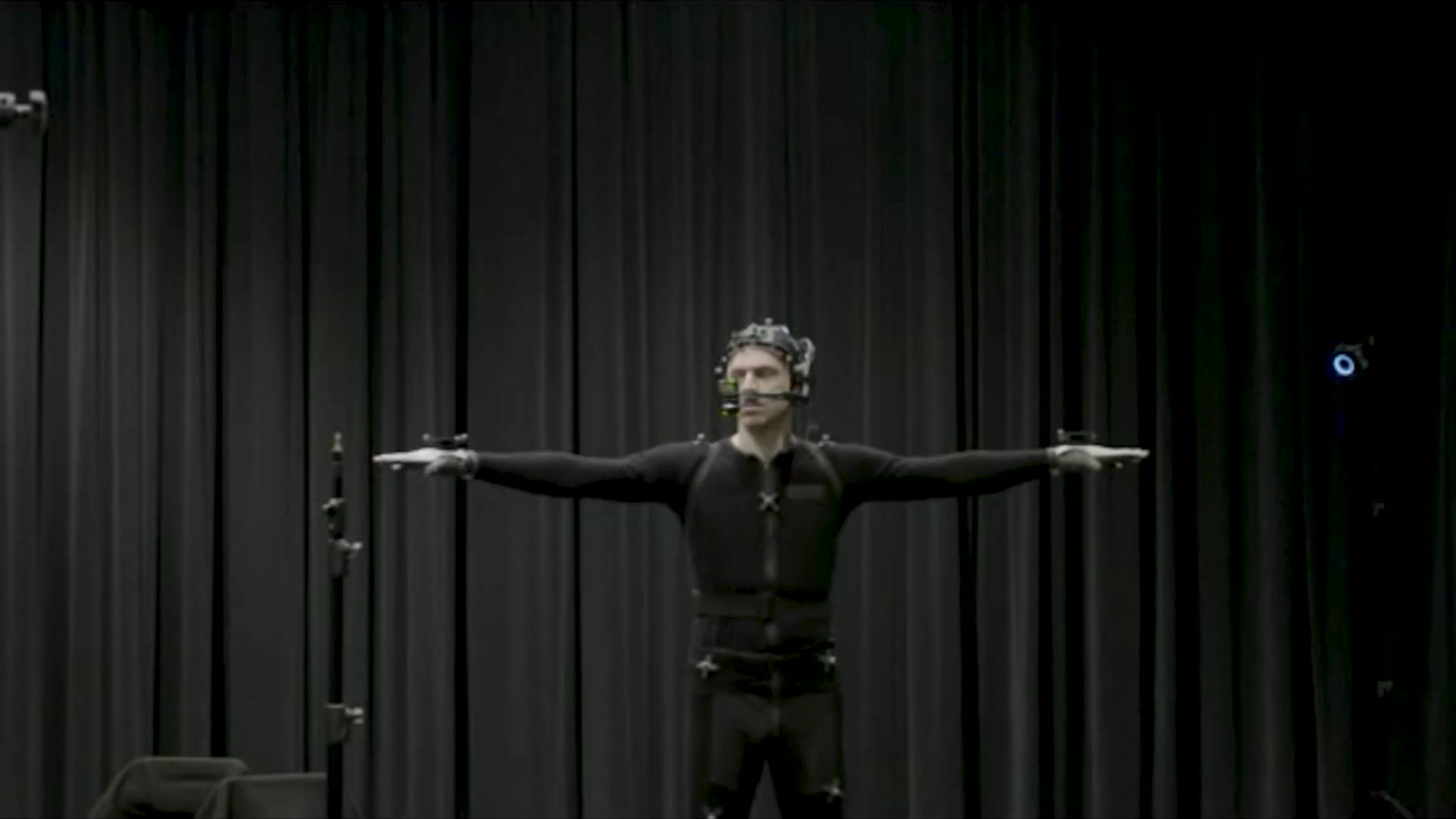
Motion capture records a performance that can inform a digital character. For creatures, human movement cannot simply be transferred unchanged: proportions, joint limits, gait and contact need interpretation. Capture and animation work together to preserve intent while adapting the movement to a non-human body and the needs of the scene.
PROJECT QUESTIONS
Creature technology FAQs.
Practical answers to help plan your next creature.
Discuss your projectHow does 3D scanning help create realistic digital animals?
Scanning can provide shape and surface reference for a digital animal. That data still needs assessment and preparation for production: a scan is not automatically a finished animation asset. Modelling, topology, textures and rigging must suit the required shots or interactive experience.
Explore 3D scanningCan human motion capture be used to animate a non-human creature?
Human motion capture can provide timing and performance reference, but it does not automatically fit a creature with different proportions or limb arrangements. Retargeting and animation work must adapt balance, contacts and movement to the creature. Some actions are better developed through keyframe animation.
Explore motion captureWhat needs to be optimised for a real-time creature?
Real-time creatures must fit the target hardware and scene budget. Review mesh complexity, texture memory, materials, rig evaluation, fur and simulation costs. Levels of detail can reduce work at a distance. Performance should be tested in the intended engine and scene, rather than judged from a standalone render.
Read about real-time optimisationCan film-quality fur be used unchanged in a game or XR experience?
Not necessarily. Dense strand-based fur may be too expensive for the target device or scene. Depending on the engine and platform, a production may use strands, hair cards, meshes or different representations at different distances. The visual target and runtime budget should determine the approach.
Explore creature groomingWhere does AI-assisted animation fit in creature production?
AI-assisted methods may support exploration or parts of motion development. They do not remove the need for artistic direction, anatomy checks, deformation testing and production review. Discuss the proposed tools, rights to input material and final delivery requirements before including them in a workflow.
Read about the animation technologyWhat should I specify for Unreal Engine or another real-time pipeline?
Provide the engine version, target device, frame-rate goal and intended scene context. Also identify skeleton requirements, animation states, material constraints and memory budgets where known. Discuss compatibility and an import test before production; a file opening successfully does not establish that it meets the runtime budget.
Discuss your technical brief