Digital animal doubles recreate a specific animal as a usable 3D asset. We scope capture, modelling, texture development and deformation requirements around the animal, the shots and the receiving VFX pipeline.
A digital double needs to preserve the features that make an animal recognisable while supporting the production’s intended actions. A scan can provide a record of shape and surface, but it is not automatically an animation-ready asset. Missing areas, topology, mouth detail and deformation must be assessed against the shots. The brief should distinguish a likeness asset from a fully rigged, groomed or animated character.
Define the animal asset.
01
Capture and reference planning
Identify the animal, handler availability, safe access and the views needed to understand its proportions. Discuss scanning feasibility before arranging a session. Existing photographs, measurements or scans may be useful, but their suitability needs review; capture should never be promised without evaluating the subject and conditions.
02
Scan cleanup and reconstruction
Assess holes, noise and areas hidden during capture. Reconstruct the required anatomy and develop a mesh for the intended use. Keep likeness checks separate from technical topology reviews so a clean mesh does not drift away from the animal’s distinctive proportions.
03
Surface and deformation assets
Define texture references, UV requirements and any blendshapes needed by the downstream team. Fur can obscure the underlying body, so groom and body geometry need separate decisions. Scope internal mouth structures, close-up details and corrective shapes only where the intended performance requires them.
04
A documented delivery
Agree units, orientation, software versions, texture conventions and the exact files to transfer. Specify who owns rigging, grooming, animation and final shot integration. A review package should make it clear which parts of the asset are approved and which dependencies remain with another team.
Review likeness. Then review usability.
Compare the reference
Review silhouette, head proportions and distinctive markings against agreed views. Avoid evaluating likeness from a single dramatic angle.
Resolve the unseen areas
Identify regions the reference does not establish. Agree how these will be reconstructed before adding expensive surface detail.
Check representative poses
Where deformation is included, test the required range with the receiving rigging team. Confirm whether corrective shapes are part of delivery.
Inspect the package
Open the asset in the agreed environment and check scale, texture paths, naming and missing dependencies before handoff.
Related work / Mimic Productions
Demeter. From performer to asset.
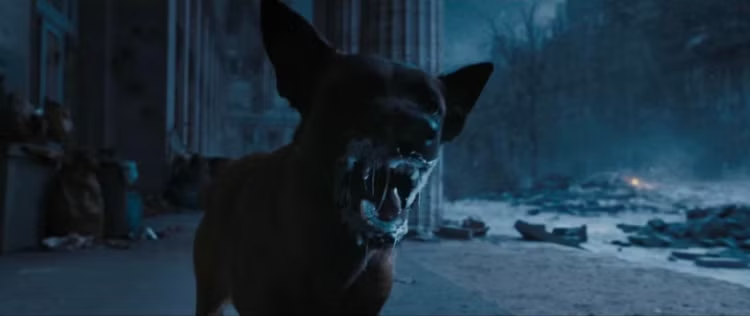
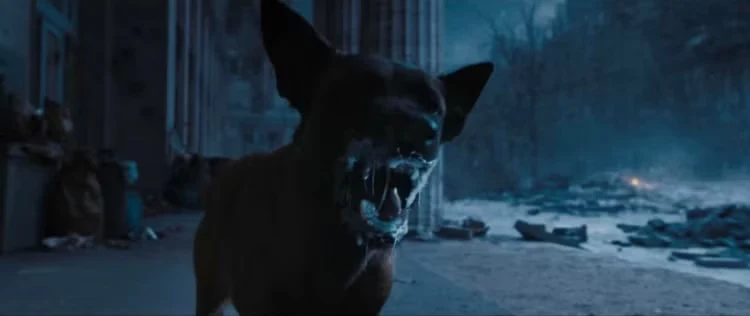
For The Hunger Games: The Ballad of Songbirds & Snakes, Mimic Productions worked with Film Service Babelsberg on a digital asset of the canine performer Demeter. The published contribution covers scanning, modelling, texturing and blendshape modelling. This is evidence of animal asset work; it does not assign the film’s complete VFX production to Mimic Creatures.
The animal, available references and access arrangements
Required shots, camera distance and visible body regions
Existing scan data, model or downstream asset specification
Responsibilities for fur, rigging, animation and integration
Schedule, review contacts and delivery software versions
Production questions.
Can you build a digital animal without a new scan?
Reference-led modelling may be suitable when new capture is unavailable. We first review the photographs, measurements and existing assets, then identify which features can be supported by that material and where additional reference is needed.
Does a scan include a working animation rig?
No. Capture records the subject; a production mesh, rig and animation are separate deliverables. Define these stages in the scope so the receiving team knows what it will receive.
Is fur included in a digital double?
Only when grooming is included in the agreed scope. Surface colour, body geometry and a strand-based groom are different parts of the asset and may be delivered by different teams.
Can you guarantee an animal scanning session?
Capture feasibility depends on the subject, handling, access and production conditions. Those requirements must be reviewed before a session is confirmed.