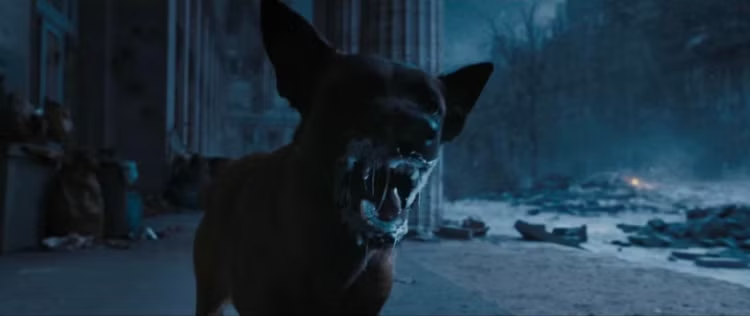
The direct answer
Choose a creature animation outsourcing studio by checking its relevant credited work, the people responsible for delivery, compatibility with your assets, and the quality of a representative production test. Compare proposals against the same animation scope, review stages and handoff requirements. A striking showreel is a starting point; evidence that a team can deliver the performance your production needs is the deciding factor.
For a producer, creative lead or game developer, the difficult question is rarely whether a supplier can make something impressive. It is whether that supplier can take responsibility for a clearly defined part of your project, work with the receiving team and respond constructively when requirements change. The selection process should make those responsibilities visible before a large animation package is commissioned.
This guide focuses on choosing a partner, rather than teaching animation or repeating a pricing guide. Use it to compare a small shortlist for a cinematic animal, gameplay creature, advertising character or immersive experience. For a wider overview of the work available, explore Mimic Creatures services. The project examples below identify Mimic Productions' published contributions; the animal photograph is movement reference, not a completed studio asset.
Table of Contents
Define the work before comparing studios
Start with the outcome you need: directed shots, a library of gameplay actions, an expressive campaign performance, or support for your internal animation team. These are different purchases. A quote for animation on an approved rig cannot be compared directly with a quote that also includes modelling, rig development, lighting and final rendering.
Write a short scope statement with the creature count, intended use, available assets and delivery target. Identify who owns each upstream decision. If the model is still changing, say so; if a rig has already been approved, explain which changes are permitted. Include the actions that are essential to the project rather than asking for a vague quantity of animation.
For example, a game team could describe one quadruped requiring idle, walk, turn, start and stop actions in its existing engine project. A film team might instead supply shot durations, framing and blocking. An advertising team may need a character to handle a product and preserve a recognisable personality across several edits. The creature production brief guide covers the information to assemble before contacting suppliers.
Check credited work, not just familiar titles
A recognised project title does not explain what a studio delivered. Ask which shots, characters or production stages the team handled and whether the relevant artists are available for your project. Distinguish asset creation, rigging, animation, simulation and rendering. A studio may have made an important contribution without owning the complete finished sequence.
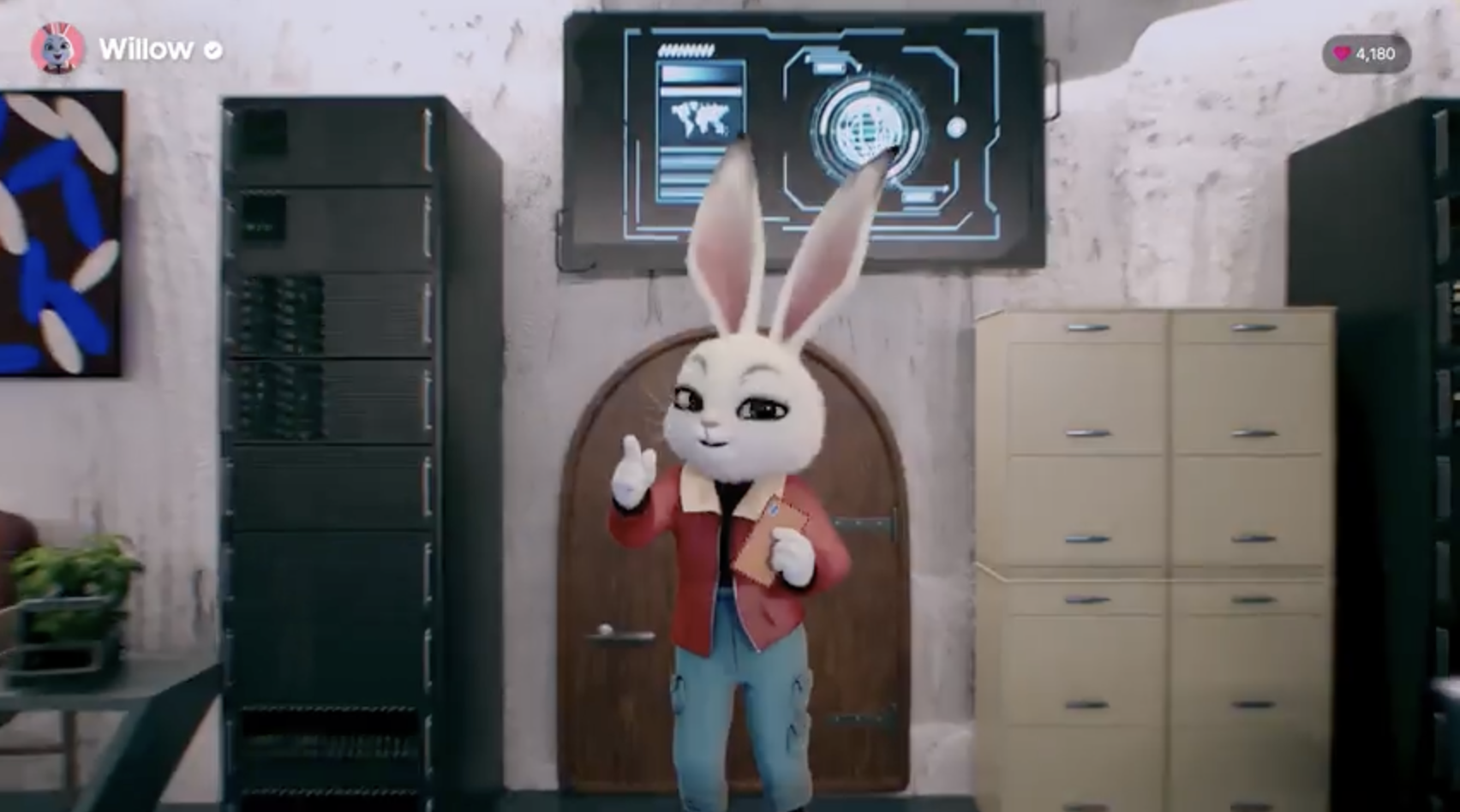
The Samsung Willow project is a useful example of specific attribution. Mimic Productions' published record names character creation, modelling, grooming, keyframe animation, look development and rendering for the Samsung commercial with Kingdom of Something. Those named responsibilities give a buyer more information than the brand name alone. They also create concrete questions about gestures, clothing, fur and interaction with campaign props.
Look for work that shares the demands of your creature. Photoreal animal movement, stylised dialogue and a heavy mechanical character require different performance decisions. One example need not match every detail, but the supplier should explain how its experience relates to the difficult part of your brief. Request permitted breakdowns or a relevant discussion when client confidentiality prevents public sharing; do not ask a studio to disclose another client's restricted assets.
Separate performance quality from presentation polish
Lighting, editing and sound help a finished film communicate, but they can make it difficult to judge animation in isolation. Where available, ask to see a neutral preview alongside the finished shot. Watch how the body initiates movement, whether contact feels intentional and whether the performance still reads without rapid cuts. A polished reel should lead to closer examination, not replace it.
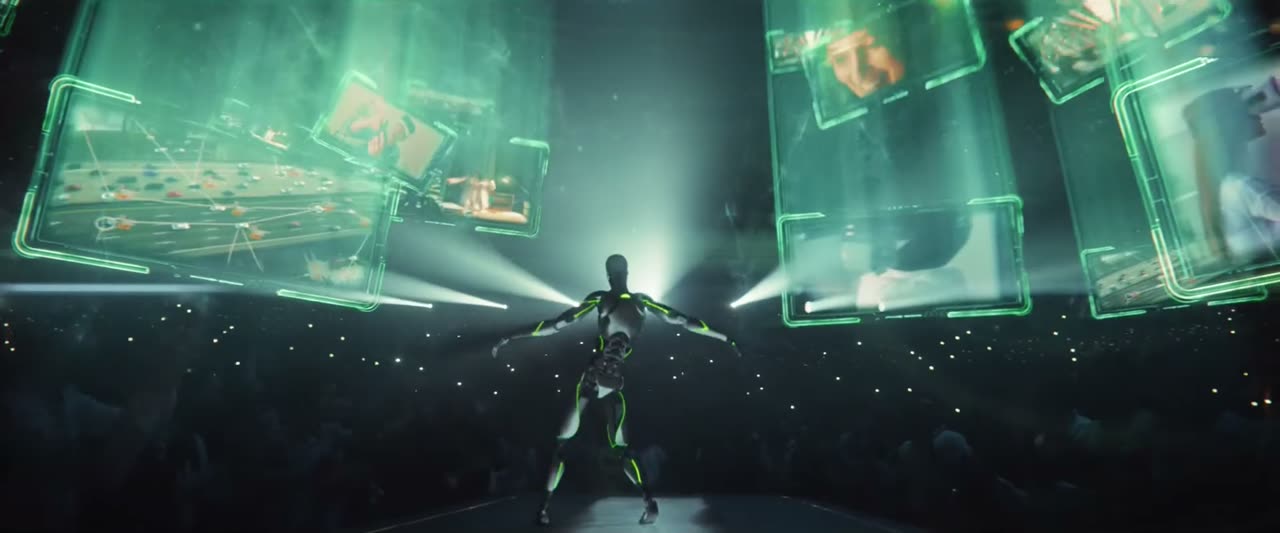
The Etisalat project illustrates why contribution and character type both matter. Mimic Productions' published role was rigging and animation for a robot advertising film through UPP.cz. That is relevant evidence for character performance and a collaborative production role. It is not evidence of animal scanning or a particular game's integration workflow. Treat every portfolio item with that same distinction.
For your shortlist, ask each supplier to discuss one example it considers comparable and one production risk it would investigate first. Useful answers connect artistic choices to your actual actions, camera and assets. Avoid judging quality only by how many famous logos appear on a presentation or how confidently a supplier promises to deliver everything.
Commission a small, representative test
A paid, bounded test can reveal issues that a portfolio cannot. Choose a short action that contains a meaningful project risk: a quadruped turning and settling, a creature changing weight before a jump, or a mascot handling a product. Agree what the test is intended to answer, what files will be delivered and who will review them. Do not request a substantial unpaid production sample.
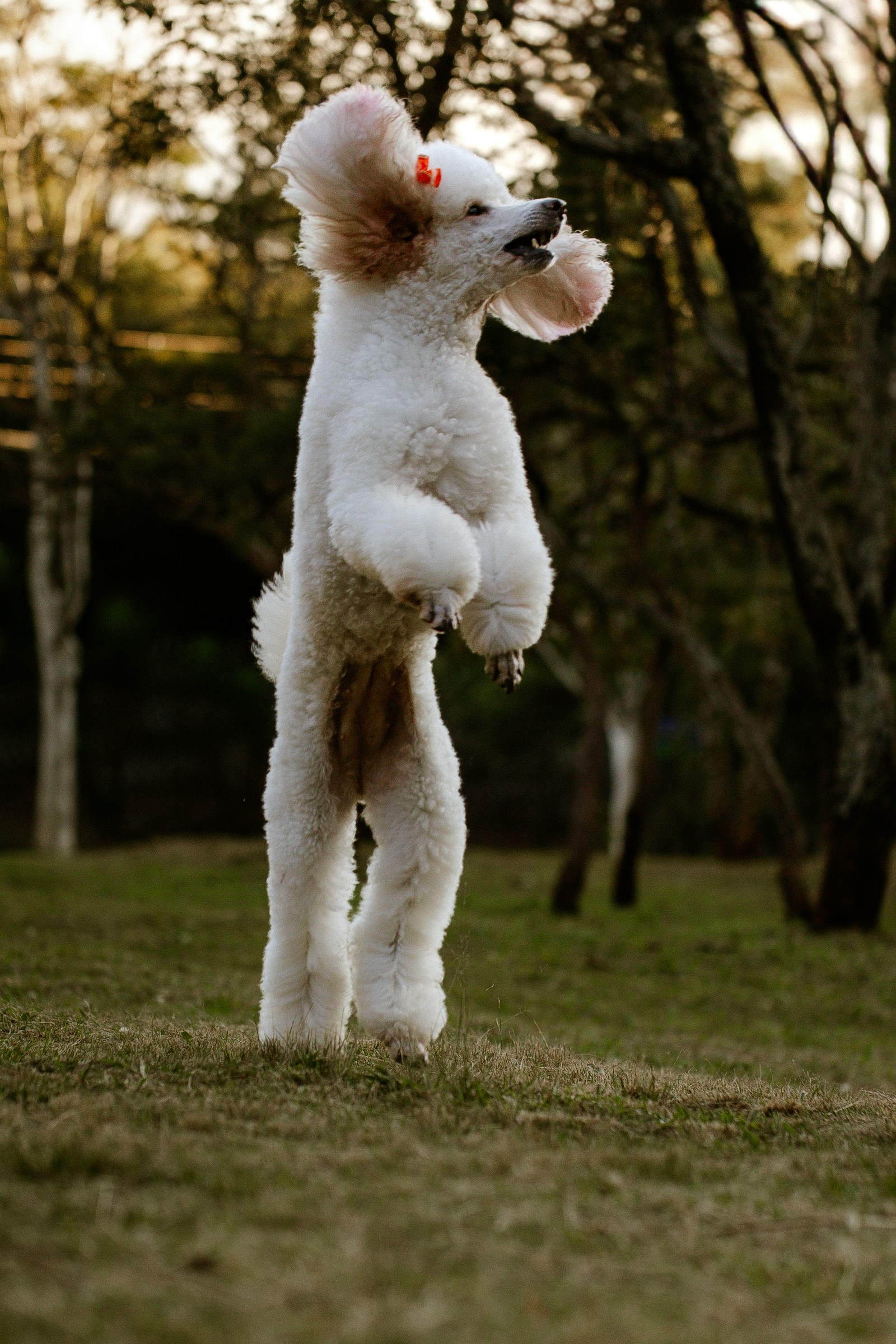
The photograph above is animal reference for observing an airborne pose and the relationship between the body and limbs. It is not animation evidence, and a single photograph cannot establish a complete gait or timing pattern. For a movement test, provide suitable video reference and explain which aspects should be followed, exaggerated or deliberately changed for the character.
Review the test in the intended context. A creature that looks convincing in an isolated preview may read differently at gameplay distance or in a particular film composition. A game team can assess the supplied files with its technical artist; a film team can review the action against the shot's framing. Agree acceptance criteria beforehand, such as the required action, contact quality, readable intent and successful file delivery. See game creature design and animation for the broader real-time production context.
Confirm rig compatibility and ownership of fixes
If you supply a rig, let the proposed animator inspect it before confirming a fixed scope. List software versions, dependencies, scale conventions and export expectations. Ask who will address missing controls, unexpected deformation or an action the current rig cannot support. An animation quote should state whether rig changes are included, separately estimated or owned by your internal team.
This conversation is particularly useful for tails, wings, extra limbs and expressive faces. The important point is not to demand a universal rig specification. It is to identify the controls and behaviours your actual performance needs, then confirm that the receiving workflow supports them. Creature rigging and animation should be discussed together when the asset is still being developed.
Keep responsibilities explicit at each boundary. Who supplies the final model? Who approves rig changes? Who handles engine integration or rendering? If a supplier proposes a different pipeline, ask for a practical compatibility demonstration. A named owner and a small exchange of test files are more useful than an assumption that two teams using similar software will have an effortless handoff.
Agree how performance reviews will work
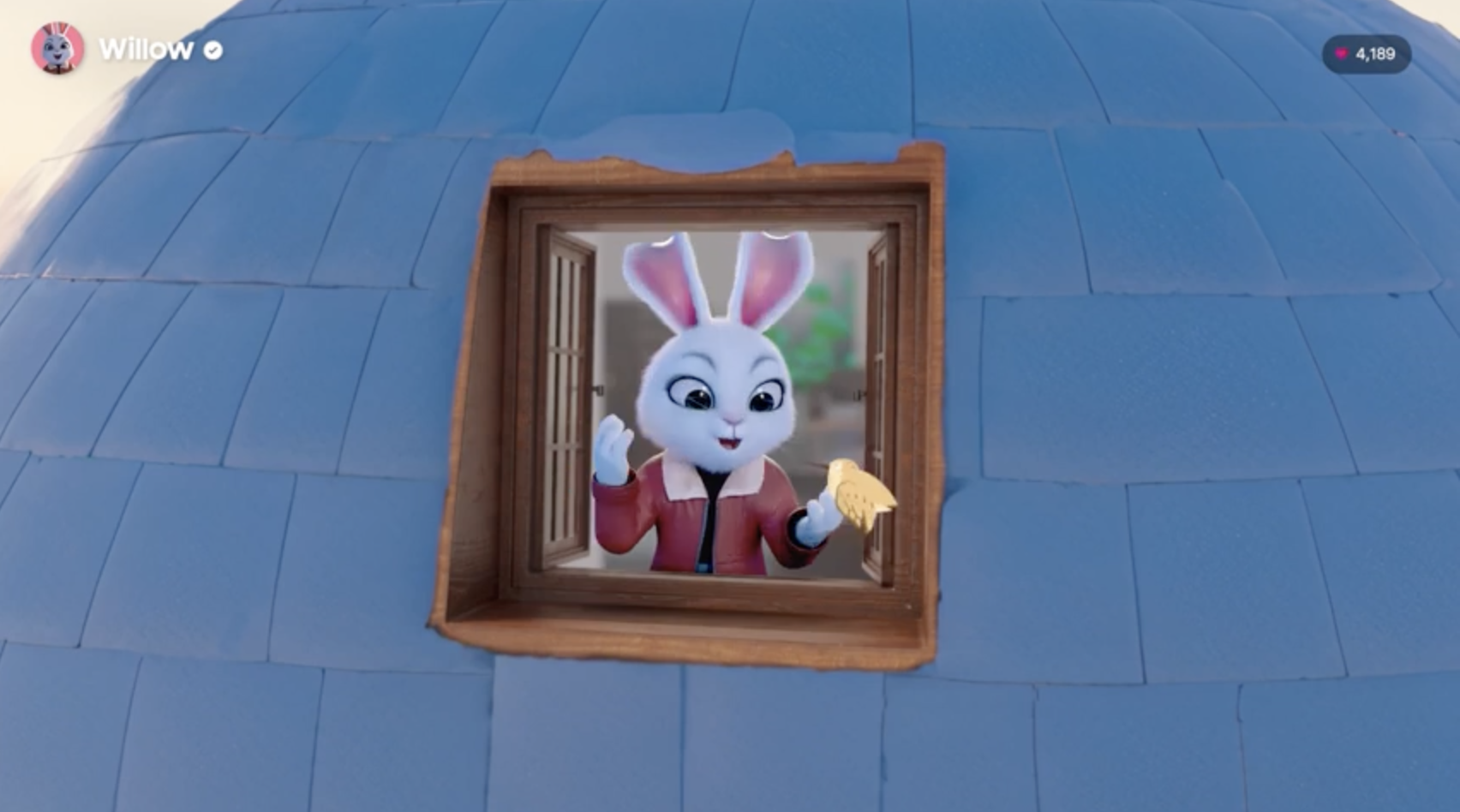
Animation changes are easier to manage when feedback has a clear owner. Decide who consolidates creative notes and who can approve a stage. For a commercial character such as Willow, facial expression, gesture and interaction with a prop can all affect whether a shot communicates its intended message. A review should identify the performance problem before prescribing dozens of unrelated adjustments.
Ask the studio how it presents early blocking, refined movement and final polish. Agree which decisions are expected at each stage and how approval is recorded. A change to the action after blocking approval is different from correcting a missed note. Define revision assumptions without treating every conversation as a dispute, and leave room for normal creative iteration.
Also establish meeting cadence, review tools and availability across time zones. A short sample feedback exchange can show whether both teams understand each other. For a project involving multiple stakeholders, assign one person to resolve conflicting directions. This protects the animation team from receiving incompatible instructions and helps your own production understand why a delivery has changed.
Compare proposals on the same basis
Do not compare headline prices until the work packages match. One supplier may include setup, rig adjustments and source files; another may price only animation using assets you provide. Ask each shortlisted studio to separate the main deliverables, exclusions, review assumptions and dependencies. Where uncertainty remains, record how it will be investigated and when the estimate can be confirmed.
Discuss schedule in terms of inputs and approvals, not only a final date. A delay in model approval or a new performance requirement can affect the remaining work. Ask how the team communicates changes, who approves additional work and what happens if the production pauses. These are practical planning questions, not reasons to expect trouble from every supplier.
For the factors that influence an estimate, use the existing creature animation cost and timeline guide. This selection guide does not offer a universal per-second rate: the work behind a brief gesture, a complex interaction and a reusable gameplay action set is not interchangeable. A useful proposal explains what the agreed investment buys and what your team must supply.
Define delivery and acceptance before commissioning
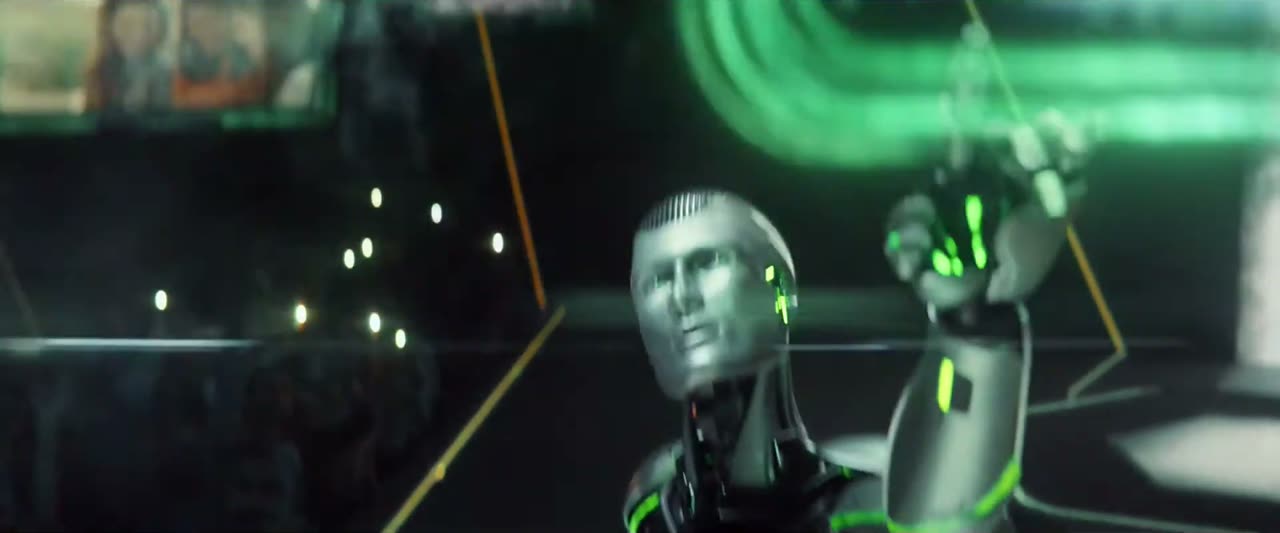
The Etisalat still above shows a finished advertising context. A finished frame does not, on its own, tell a buyer which source assets or technical files were handed over. For your own project, put those requirements in writing rather than assuming that a rendered result includes an editable animation scene, rig or engine-ready package.
List the required source files, exports, previews, documentation and any dependencies the receiving team needs. Agree the intended usage and ownership arrangements with the relevant decision-makers. If third-party assets or tools are involved, ask how their requirements affect delivery. For a film creature project, distinguish animation delivery from final rendered shots; for games, confirm who will validate the imported result.
Define a short acceptance process: the receiving team opens the files, checks the agreed actions and reports reproducible problems against the approved scope. Agree how corrections and later changes will be handled. A supplier is easier to evaluate when it can explain this process clearly, without promising unlimited support or leaving every technical question until the final delivery.
Creature animation outsourcing FAQs
For a producer, creative lead or game developer, the difficult question is rarely whether a supplier can make something impressive. It is whether that supplier can take responsibility for a clearly defined part of your project, work with the receiving team and respond constructively when requirements change. The selection process should make those responsibilities visible before a large animation package is commissioned.
This guide focuses on choosing a partner, rather than teaching animation or repeating a pricing guide. Use it to compare a small shortlist for a cinematic animal, gameplay creature, advertising character or immersive experience. For a wider overview of the work available, explore Mimic Creatures services. The project examples below identify Mimic Productions' published contributions; the animal photograph is movement reference, not a completed studio asset.
Table of Contents
Define the work before comparing studios
Start with the outcome you need: directed shots, a library of gameplay actions, an expressive campaign performance, or support for your internal animation team. These are different purchases. A quote for animation on an approved rig cannot be compared directly with a quote that also includes modelling, rig development, lighting and final rendering.
Write a short scope statement with the creature count, intended use, available assets and delivery target. Identify who owns each upstream decision. If the model is still changing, say so; if a rig has already been approved, explain which changes are permitted. Include the actions that are essential to the project rather than asking for a vague quantity of animation.
For example, a game team could describe one quadruped requiring idle, walk, turn, start and stop actions in its existing engine project. A film team might instead supply shot durations, framing and blocking. An advertising team may need a character to handle a product and preserve a recognisable personality across several edits. The creature production brief guide covers the information to assemble before contacting suppliers.
Check credited work, not just familiar titles
A recognised project title does not explain what a studio delivered. Ask which shots, characters or production stages the team handled and whether the relevant artists are available for your project. Distinguish asset creation, rigging, animation, simulation and rendering. A studio may have made an important contribution without owning the complete finished sequence.
The Samsung Willow project is a useful example of specific attribution. Mimic Productions' published record names character creation, modelling, grooming, keyframe animation, look development and rendering for the Samsung commercial with Kingdom of Something. Those named responsibilities give a buyer more information than the brand name alone. They also create concrete questions about gestures, clothing, fur and interaction with campaign props.
Look for work that shares the demands of your creature. Photoreal animal movement, stylised dialogue and a heavy mechanical character require different performance decisions. One example need not match every detail, but the supplier should explain how its experience relates to the difficult part of your brief. Request permitted breakdowns or a relevant discussion when client confidentiality prevents public sharing; do not ask a studio to disclose another client's restricted assets.
Separate performance quality from presentation polish
Lighting, editing and sound help a finished film communicate, but they can make it difficult to judge animation in isolation. Where available, ask to see a neutral preview alongside the finished shot. Watch how the body initiates movement, whether contact feels intentional and whether the performance still reads without rapid cuts. A polished reel should lead to closer examination, not replace it.
The Etisalat project illustrates why contribution and character type both matter. Mimic Productions' published role was rigging and animation for a robot advertising film through UPP.cz. That is relevant evidence for character performance and a collaborative production role. It is not evidence of animal scanning or a particular game's integration workflow. Treat every portfolio item with that same distinction.
For your shortlist, ask each supplier to discuss one example it considers comparable and one production risk it would investigate first. Useful answers connect artistic choices to your actual actions, camera and assets. Avoid judging quality only by how many famous logos appear on a presentation or how confidently a supplier promises to deliver everything.
Commission a small, representative test
A paid, bounded test can reveal issues that a portfolio cannot. Choose a short action that contains a meaningful project risk: a quadruped turning and settling, a creature changing weight before a jump, or a mascot handling a product. Agree what the test is intended to answer, what files will be delivered and who will review them. Do not request a substantial unpaid production sample.
The photograph above is animal reference for observing an airborne pose and the relationship between the body and limbs. It is not animation evidence, and a single photograph cannot establish a complete gait or timing pattern. For a movement test, provide suitable video reference and explain which aspects should be followed, exaggerated or deliberately changed for the character.
Review the test in the intended context. A creature that looks convincing in an isolated preview may read differently at gameplay distance or in a particular film composition. A game team can assess the supplied files with its technical artist; a film team can review the action against the shot's framing. Agree acceptance criteria beforehand, such as the required action, contact quality, readable intent and successful file delivery. See game creature design and animation for the broader real-time production context.
Confirm rig compatibility and ownership of fixes
If you supply a rig, let the proposed animator inspect it before confirming a fixed scope. List software versions, dependencies, scale conventions and export expectations. Ask who will address missing controls, unexpected deformation or an action the current rig cannot support. An animation quote should state whether rig changes are included, separately estimated or owned by your internal team.
This conversation is particularly useful for tails, wings, extra limbs and expressive faces. The important point is not to demand a universal rig specification. It is to identify the controls and behaviours your actual performance needs, then confirm that the receiving workflow supports them. Creature rigging and animation should be discussed together when the asset is still being developed.
Keep responsibilities explicit at each boundary. Who supplies the final model? Who approves rig changes? Who handles engine integration or rendering? If a supplier proposes a different pipeline, ask for a practical compatibility demonstration. A named owner and a small exchange of test files are more useful than an assumption that two teams using similar software will have an effortless handoff.
Agree how performance reviews will work
Animation changes are easier to manage when feedback has a clear owner. Decide who consolidates creative notes and who can approve a stage. For a commercial character such as Willow, facial expression, gesture and interaction with a prop can all affect whether a shot communicates its intended message. A review should identify the performance problem before prescribing dozens of unrelated adjustments.
Ask the studio how it presents early blocking, refined movement and final polish. Agree which decisions are expected at each stage and how approval is recorded. A change to the action after blocking approval is different from correcting a missed note. Define revision assumptions without treating every conversation as a dispute, and leave room for normal creative iteration.
Also establish meeting cadence, review tools and availability across time zones. A short sample feedback exchange can show whether both teams understand each other. For a project involving multiple stakeholders, assign one person to resolve conflicting directions. This protects the animation team from receiving incompatible instructions and helps your own production understand why a delivery has changed.
Compare proposals on the same basis
Do not compare headline prices until the work packages match. One supplier may include setup, rig adjustments and source files; another may price only animation using assets you provide. Ask each shortlisted studio to separate the main deliverables, exclusions, review assumptions and dependencies. Where uncertainty remains, record how it will be investigated and when the estimate can be confirmed.
Discuss schedule in terms of inputs and approvals, not only a final date. A delay in model approval or a new performance requirement can affect the remaining work. Ask how the team communicates changes, who approves additional work and what happens if the production pauses. These are practical planning questions, not reasons to expect trouble from every supplier.
For the factors that influence an estimate, use the existing creature animation cost and timeline guide. This selection guide does not offer a universal per-second rate: the work behind a brief gesture, a complex interaction and a reusable gameplay action set is not interchangeable. A useful proposal explains what the agreed investment buys and what your team must supply.
Define delivery and acceptance before commissioning
The Etisalat still above shows a finished advertising context. A finished frame does not, on its own, tell a buyer which source assets or technical files were handed over. For your own project, put those requirements in writing rather than assuming that a rendered result includes an editable animation scene, rig or engine-ready package.
List the required source files, exports, previews, documentation and any dependencies the receiving team needs. Agree the intended usage and ownership arrangements with the relevant decision-makers. If third-party assets or tools are involved, ask how their requirements affect delivery. For a film creature project, distinguish animation delivery from final rendered shots; for games, confirm who will validate the imported result.
Define a short acceptance process: the receiving team opens the files, checks the agreed actions and reports reproducible problems against the approved scope. Agree how corrections and later changes will be handled. A supplier is easier to evaluate when it can explain this process clearly, without promising unlimited support or leaving every technical question until the final delivery.
Creature animation outsourcing FAQs
What is creature animation outsourcing?
It means commissioning an external team to animate non-human characters or provide a defined part of that production. The assignment might cover individual shots, gameplay actions or ongoing animation support. Agree whether rigging, asset preparation, rendering and integration are included, because animation alone does not automatically include those tasks.
How do I choose between a freelancer and a studio?
Compare the needs of the assignment with the proposed delivery arrangement. A well-defined task may suit an individual specialist; a broader package may need several disciplines and production coordination. Ask who will do the work, who reviews it and how availability or dependencies are managed, rather than choosing from the label alone.
Can we outsource animation using our existing creature rig?
Yes, subject to a compatibility review and agreement on scope. Share the permitted rig files, software information and required actions before confirming the estimate. Identify who fixes any limitations found during testing. A supplier should not have to assume that an unfamiliar rig supports every movement in the brief.
Should we ask for a test before commissioning a full package?
A small paid test is useful when a significant artistic or technical uncertainty remains. Choose an action that represents that uncertainty and agree review criteria in advance. If comparable work and a file exchange already resolve the important questions, a separate test may be unnecessary. Avoid commissioning a sample without a clear decision it will inform.
What should a creature animation quotation include?
It should identify the characters and actions or shots, supplied assets, deliverable files, schedule assumptions, review stages and exclusions. Ask how rig changes, additional versions and new creative requests are handled. The aim is to make proposals comparable and responsibilities clear, not to force every project into an identical pricing format.
How can we judge animation without seeing confidential client work?
Use permitted portfolio material, an explanation of the studio's exact contribution and a conversation about relevant production challenges. An appropriately scoped test can fill an evidence gap. Respect confidentiality: the willingness to share another client's restricted assets is not a positive selection signal.
Does outsourcing include engine integration or final rendering?
Only when the agreed scope says so. Animation may be delivered as editable scenes, exported clips, approved previews or finished shots, depending on the commission. Confirm the receiving environment and the person responsible for testing. Do not assume a rendered showreel proves that a studio has delivered your particular engine configuration.
What should we send Mimic Creatures for an initial discussion?
Share the creature concept or available asset, intended use, essential actions, delivery requirements and target dates. Mention existing rigs and the team responsible for integration or rendering. A rough scope is enough to begin a useful conversation; explain what is still undecided so the next step can address the right uncertainty.
Choose a partner through evidence and a clear scope
The strongest shortlist connects relevant performance evidence with a workable production relationship. Check the credited role, discuss the difficult action, confirm compatibility and agree how work will be reviewed and delivered. That gives your team a defensible choice and gives the selected studio the information it needs to plan responsibly.
Discuss your creature animation project with Mimic Creatures. Tell us what the creature needs to do, which assets already exist and where the finished work will be used. We can discuss the required animation support and the information needed to define the next production step.


Comments