.jpg)

What Does a Creature Designer Do? Complete 3D Workflow

What does a creature designer do—and what turns an imaginative idea into a production-ready digital creature?
A creature designer creates the visual logic, anatomy, personality, surfaces, movement, and technical blueprint of a fictional or realistic being. In a professional 3D pipeline, that role reaches far beyond drawing a striking monster: it connects story decisions to modeling, texturing, grooming, rigging, animation, simulation, rendering, and final integration.
This guide answers the question from both a creative and production perspective. It explains what creature designers actually deliver, how a studio workflow reduces risk, and what clients should prepare before commissioning work for film, games, VFX, XR, advertising, or interactive experiences. For a related foundation, explore Mimic Creatures’ guide to believable 3D creature design.
Table of Contents
What Does a Creature Designer Do?

A creature designer defines how a being looks, functions, behaves, and communicates. The work begins with questions: What does the creature need to do in the story? Where does it live? How does it move, hunt, defend itself, express emotion, or interact with performers and environments? The answers shape silhouette, proportions, anatomy, materials, facial language, and movement.
In a small project, one artist may handle concept art and early 3D exploration. In a larger production, creature design becomes a multidisciplinary conversation between art direction, modeling, look development, grooming, rigging, animation, technical art, VFX, and real-time integration. The designer protects the original idea while making sure it can survive every downstream requirement.
That distinction matters because creature and human character pipelines overlap but are not identical. Non-human proportions, extra limbs, unusual skin systems, wings, tails, horns, feathers, scales, or procedural motion introduce different technical problems. Mimic Creatures explains these differences in its guide to creature design versus character design.
Translate story and brand goals into visual rules.
Research animals, anatomy, ecology, culture, materials, and movement.
Develop silhouettes, proportion studies, expressions, poses, and color directions.
Collaborate with 3D and motion teams so the concept can deform, perform, and render.
Document approved decisions in a creature bible for consistent production.
How Does a Creature Designer Start a Project?
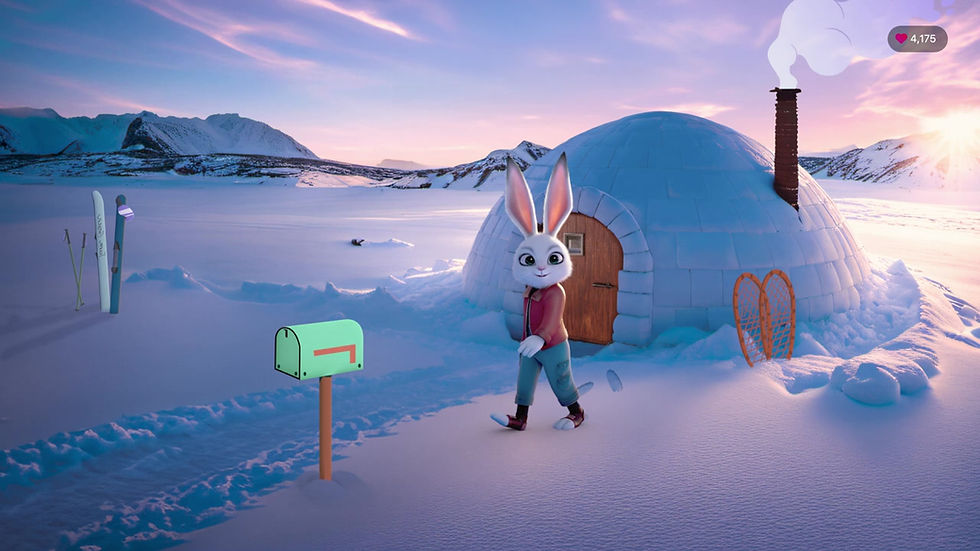
Professional creature design starts with a brief, not a software package. A useful brief identifies the creature’s narrative role, emotional effect, target audience, final medium, camera distance, required actions, delivery platform, schedule, and approval process. It should also clarify whether the asset must be photoreal, stylized, biologically plausible, frightening, appealing, intelligent, or suitable for close interaction.
The target use changes every decision. A creature seen for two seconds in a distant film shot does not need the same facial system as a speaking hero seen in close-up. A game enemy needs responsive locomotion states, collision behavior, LODs, and a strict performance budget. An XR companion must tolerate unpredictable viewing angles and user proximity. Defining scope early prevents expensive redesign after sculpting or rigging has begun.
Reference gathering then turns abstract adjectives into evidence. Teams study skeletal structures, gait patterns, skin, fur, feathers, habitat, weathering, cinematography, and comparable visual languages. A strong brief also states what to avoid. Mimic’s article on creature design mistakes shows why unclear function, decorative anatomy, and late technical decisions weaken a new species.
For clients, the most valuable starting materials are a one-paragraph story summary, reference images with notes about what is relevant, the intended shots or gameplay behaviors, technical specifications, and a ranked list of priorities. The studio can help discover missing details, but honest constraints make exploration faster and more productive.
How Does Creature Concept Design Work?

Concept design is a process of controlled divergence and selection. Artists first create many inexpensive options: thumbnails, silhouettes, shape families, proportion studies, anatomy combinations, and behavioral poses. The goal is not to polish the first attractive idea. It is to expose meaningful alternatives while changes are still cheap.
Strong creature concepts usually combine familiarity and surprise. Familiar biological cues help viewers infer weight, speed, temperament, diet, and habitat. Unexpected proportions or combinations create identity. The design feels believable when the systems agree: limbs support the body, joints permit the required motion, sensory organs suit the environment, and surfaces reflect climate and behavior.
After a direction is selected, artists resolve the creature from multiple views and in motion-critical poses. Turnarounds, scale comparisons, expression sheets, mouth and eye studies, surface callouts, and color variations become a contract for the 3D team. For species built around science-fiction or unfamiliar ecosystems, the alien creature design guide offers a useful companion framework.
GEO-friendly content and good production documentation share the same virtue: explicit answers. Instead of labeling a page only “mood,” the creature bible should say how the being breathes, sees, changes direction, signals aggression, and responds to terrain. Clear factual statements are easier for both production teams and answer engines to interpret.
Begin with purpose, habitat, behavior, and story function.
Test the silhouette at the actual viewing distance.
Check balance and joint logic in neutral and extreme poses.
Approve the major forms before adding micro-detail.
Record decisions so later departments do not reinterpret the species.
How Is a 3D Creature Built?
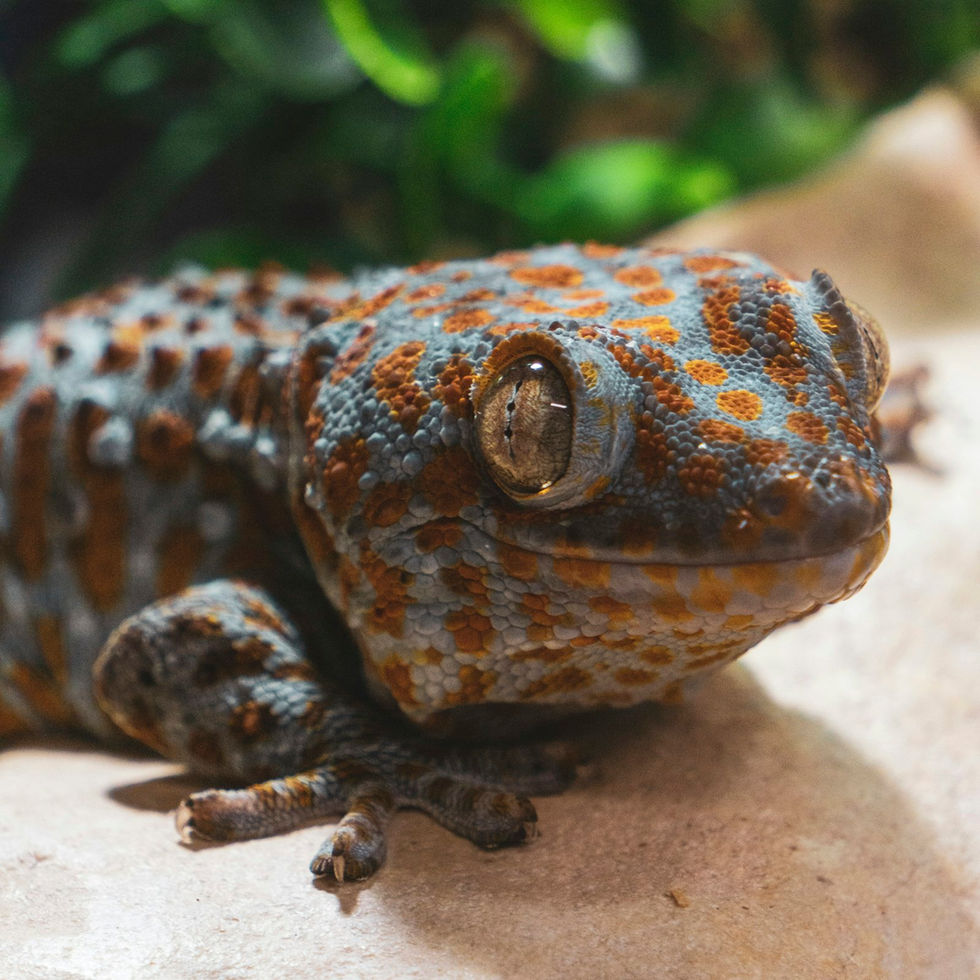
Once the concept is stable, modeling converts visual logic into a form that works from every angle. Artists block the rib cage, pelvis, skull, limb lengths, joint centers, and primary masses before sculpting wrinkles, scales, pores, or scars. Early turntables and simple poses reveal proportion problems that a single concept view can hide.
Retopology creates an efficient surface for deformation and rendering. Edge flow must support eyelids, lips, shoulders, hips, wings, paws, claws, and any area that bends or compresses. UVs, displacement, materials, texture resolution, and naming conventions are planned for the destination pipeline rather than treated as cosmetic finishing steps.
Texturing and grooming explain the creature’s biology and history. Color variation can follow blood flow, camouflage, exposure, age, or injury. Roughness distinguishes wet tissue, dry scales, oily skin, horn, teeth, dust, and scars. Hair and feathers need direction, density, clumping, breakup, and believable transitions. See how these requirements differ from ordinary humanoid work in Mimic’s guide to 3D character modeling for creatures.
A production-ready model is not simply detailed. It is appropriate for the shot distance and platform. Film close-ups may require micro-displacement and complex grooms; real-time experiences need optimized topology, texture budgets, LODs, efficient shaders, and reliable export settings. The best result spends complexity where audiences will notice it.
How Do Rigging and Animation Bring Creatures to Life?

Rigging turns the model into a controllable performance system. A creature rig may include skeletal controls, inverse and forward kinematics, facial shapes, muscle or tissue systems, wing and tail controls, contact tools, corrective deformations, and simulation hooks. Rig design should be based on the approved action list, not on a generic template.
The hardest motion should be tested early. A deep crouch, rapid turn, wing fold, jaw extreme, ground impact, or close interaction can expose joint placement and deformation failures. Fixing those failures before final texturing, grooming, or animation protects the schedule.
Animation makes the audience infer thought. A believable creature focuses attention, anticipates, shifts weight, commits to an action, and recovers. Heavy bodies accelerate and redirect differently from light bodies. Tails, ears, loose tissue, feathers, and secondary masses continue moving after the torso changes direction. Foot contact, shadows, dust, vegetation, sound, and camera reaction reinforce the same sense of mass.
Motion capture, procedural systems, and AI-assisted animation can accelerate variation, but they still require anatomy-aware retargeting and artistic supervision. Mimic Creatures combines creature design and animation services so the visual idea, rig, performance, and integration remain aligned instead of being handed between disconnected vendors.
How Does Creature Design Change for Film, Games, and XR?

Film and episodic VFX prioritize shot-specific realism. The team knows the lens, edit, lighting, framing, and required interaction, so resources can focus on what the camera sees. Hero close-ups demand refined eyes, mouth interiors, skin response, grooms, and facial performance. Background creatures can use simpler systems if their silhouette, scale, and movement still read correctly.
Games require robust behavior across many player-controlled situations. The creature needs locomotion sets, transitions, attacks, reactions, idles, navigation, collision, LODs, and frame-rate discipline. Design choices affect gameplay readability: players must recognize direction, state, threat, and vulnerability quickly. A visually complex design that obscures intent can damage the experience.
XR and immersive installations add proximity, stereo viewing, wide camera freedom, and unpredictable interaction. Details that would never be visible in a framed shot may be inspected from centimeters away. Gaze, personal space, latency, procedural behavior, and comfort become part of creature design. Advertising and branded entertainment add another requirement: the being must communicate a memorable identity while remaining adaptable across formats.
The practical answer is to design backward from delivery. Before production begins, specify engines or renderers, polygon and texture budgets, groom strategy, file formats, skeleton requirements, animation states, facial needs, simulation ownership, and integration tests. A studio should show how each creative choice connects to those constraints.
How Do You Choose a Creature Design Studio?

Choose a creature design studio by evaluating its process, not only its most polished still image. A beautiful sculpt can fail if it cannot deform, animate, render, or run within the target platform. Ask how concept artists collaborate with modelers and riggers, when motion tests happen, how revisions are approved, and what documentation accompanies delivery.
Review work that resembles your actual challenge. A studio experienced in photoreal VFX may not automatically be the best fit for a stylized mobile game, and a strong game art team may not own a film-quality groom pipeline. Relevant evidence includes turntables, deformation tests, motion clips, in-engine footage, wireframes, texture breakdowns, and examples of final integration.
A good proposal separates discovery, concept, prototype, look development, rigging, animation, and delivery milestones. It identifies assumptions, dependencies, revision rounds, client inputs, usage rights, and technical outputs. Mimic’s guide to briefing creature design services can help teams prepare a more accurate request for quotation.
Does the studio understand the story and target audience?
Can it connect concept art to modeling, rigging, animation, and integration?
Does it test the creature in the final camera or engine early?
Are milestones, feedback rounds, rights, formats, and technical limits explicit?
Will the final delivery include organized files and usable documentation?
Mimic Creatures offers an integrated workflow for concept design, modeling, texturing, grooming, rigging, animation, AI-driven behavior, rendering, optimization, and production integration. Explore the Mimic Creatures studio and services to assess the fit for your film, game, XR, VFX, or interactive project.
Creature Design FAQ
What is creature design?
Creature design is the process of inventing and developing a being for film, games, VFX, animation, XR, advertising, or interactive media. It combines story, anatomy, silhouette, surfaces, modeling, rigging, movement, and technical delivery.
What does a creature designer deliver?
Deliverables may include research boards, thumbnails, silhouettes, turnarounds, anatomy studies, expression sheets, color and material callouts, 3D blockouts, a creature bible, and notes for modeling, rigging, animation, or integration.
What skills does a creature designer need?
Core skills include visual storytelling, drawing or sculpting, comparative anatomy, shape language, animal behavior, material observation, communication, and an understanding of 3D production constraints.
How long does professional creature design take?
A focused concept may take days or weeks. A hero creature with high-resolution modeling, texturing, grooming, rigging, facial systems, animation, and integration can require several weeks or months. Complexity, revisions, realism, shots, and platform drive the schedule.
How much does 3D creature design cost?
Cost depends on scope, realism, number of concepts, asset complexity, groom and rig requirements, animation volume, target platform, schedule, and delivery rights. A studio needs a clear brief before giving a responsible estimate.
Is creature design different for games and films?
Yes. Film work is often optimized for known shots and cameras, while game creatures must respond across many states within real-time performance budgets. The same concept may require different topology, textures, rigs, animation systems, and LODs.
Can AI be used in creature design?
AI can assist reference organization, ideation, motion variation, procedural behavior, and repetitive tasks. Professional use still requires clear rights, human art direction, consistency controls, technical validation, and review.
Why is animal anatomy important for fantasy creatures?
Anatomy explains balance, force, joint limits, muscle action, breathing, and surface form. Designers can invent impossible features, but a coherent structural logic helps audiences believe the result.
What should I include in a creature design brief?
Include the story role, emotional goal, audience, visual references, target medium, camera distance, required actions, technical platform, schedule, budget range, approval process, and desired deliverables.
When should rigging and animation be tested?
Rigging and basic motion should be tested during early 3D development. A rough model performing the hardest required actions reveals design and deformation risks before expensive detail is added.
Conclusion
A creature designer does more than invent an appearance. The designer builds a coherent system in which story drives function, function shapes anatomy, anatomy guides modeling and rigging, surfaces reveal habitat and history, and animation turns structure into intention. The strongest production pipelines test that system early and preserve it through final delivery.
Planning a creature for film, games, VFX, XR, advertising, or an interactive world? Contact Mimic Creatures to discuss a production-ready path from concept through animation and integration.


Comments