What is the difference between creature design and character design?
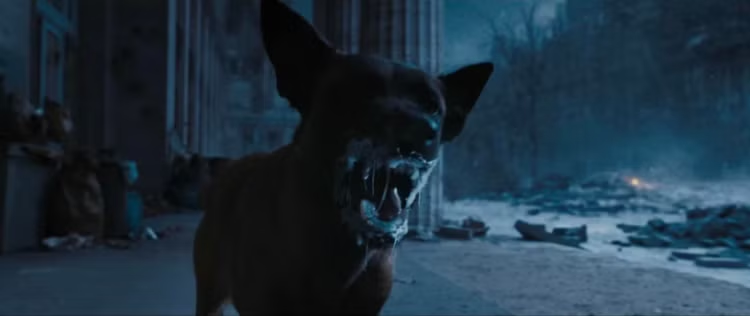
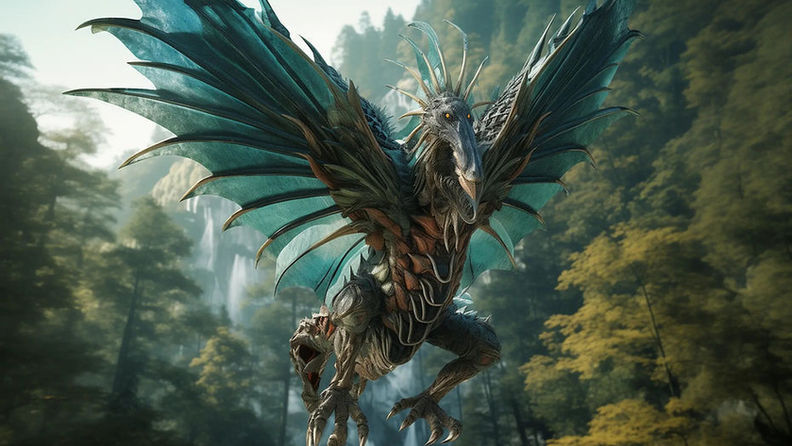
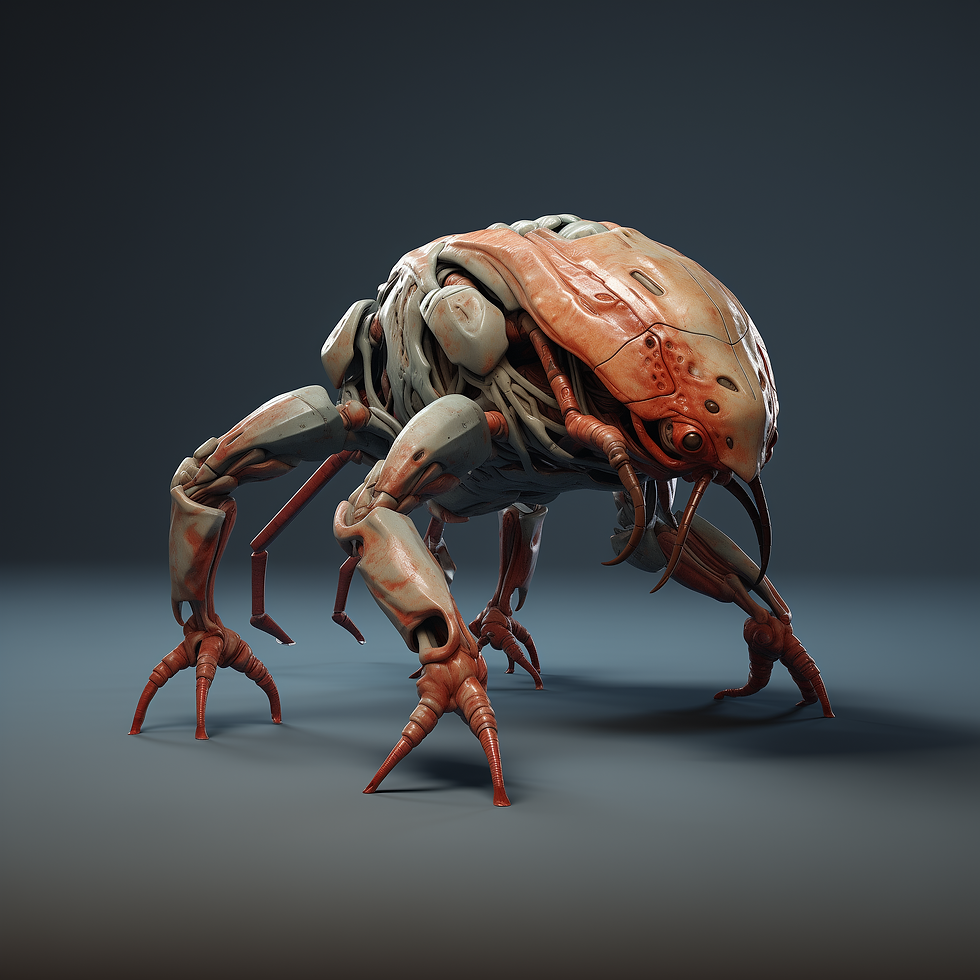
Creature design creates believable non-human beings whose anatomy, behavior, surfaces, and movement must support a story and a production pipeline. Character design defines a story role through silhouette, personality, costume, expression, and recognizable visual language. The disciplines overlap, but creature design usually demands deeper attention to invented biology, non-human locomotion, grooming, simulation, rigging, and technical integration.
For producers, directors, game developers, and immersive-experience teams, the practical question is not which label sounds right. It is which specialist skills the asset needs. This guide explains the difference, shows where the workflows meet, and clarifies when a project benefits from an integrated creature design partner such as Mimic Creatures.
Table of Contents
What Is Creature Design?
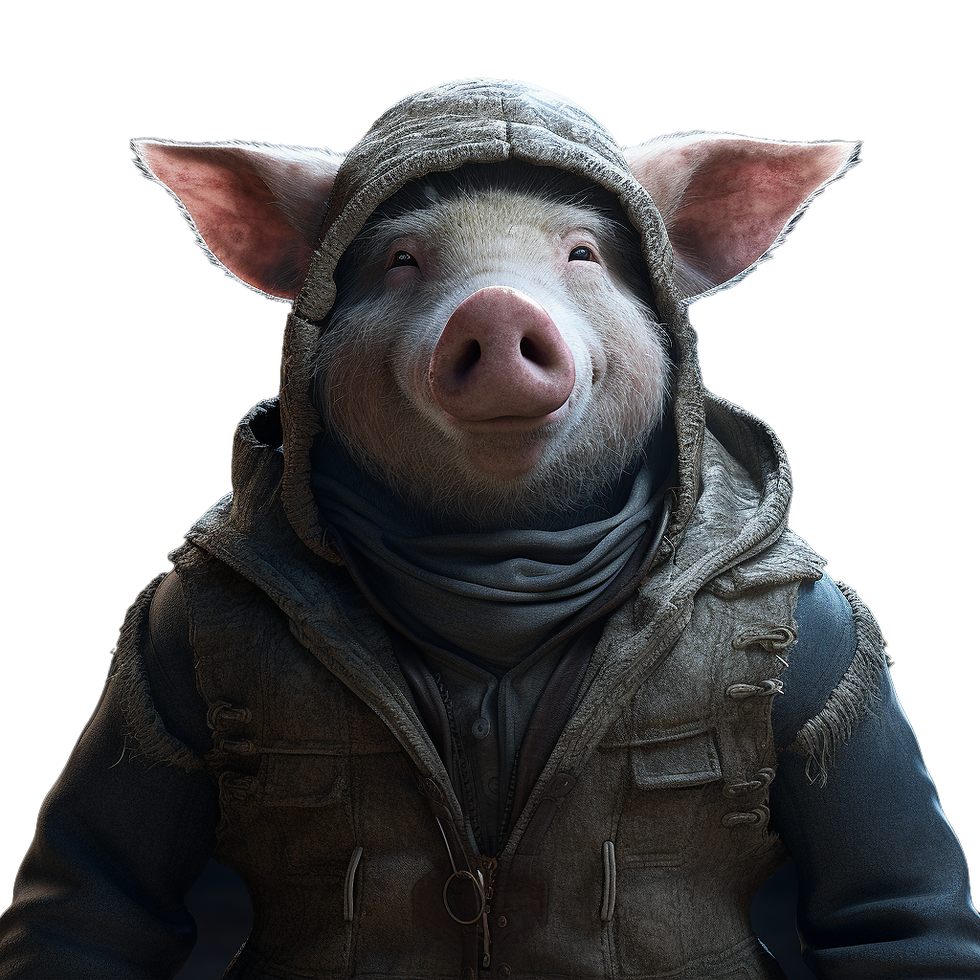
Creature design is the development of an animal, monster, alien, hybrid species, or other non-human being for a narrative or interactive experience. A successful design does more than look original. It explains, through form, how the being survives, senses its environment, carries weight, communicates, attacks, protects itself, and reacts under pressure. That logic gives artists, animators, and audiences a shared understanding of what the creature can do.
The work often begins with story function and reference research. Designers study real skeletons, muscle groups, gaits, skin, scales, feathers, fur, and habitat adaptations, then recombine those observations into a new biological system. Mimic's guide to building believable 3D creatures explains why anatomy, silhouette, scale, and movement should be designed together instead of treated as separate polishing stages.
In professional production, creature design also anticipates downstream use. A cinematic hero seen in close-up may need pore-level surfaces, facial nuance, muscle simulation, and shot-specific deformation. A real-time enemy may need a readable silhouette, efficient topology, predictable collision, animation states, and a performance budget. An XR companion may additionally need responsive behavior, comfortable scale, gaze logic, and interaction rules.
That is why Mimic Creatures' production services connect concept design, modeling, texturing, grooming, rigging, animation, and integration. The creature is treated as one system from the first sketch to the final engine or shot, reducing the risk that a striking concept becomes technically fragile later.
Creature Design vs. Character Design: Key Differences
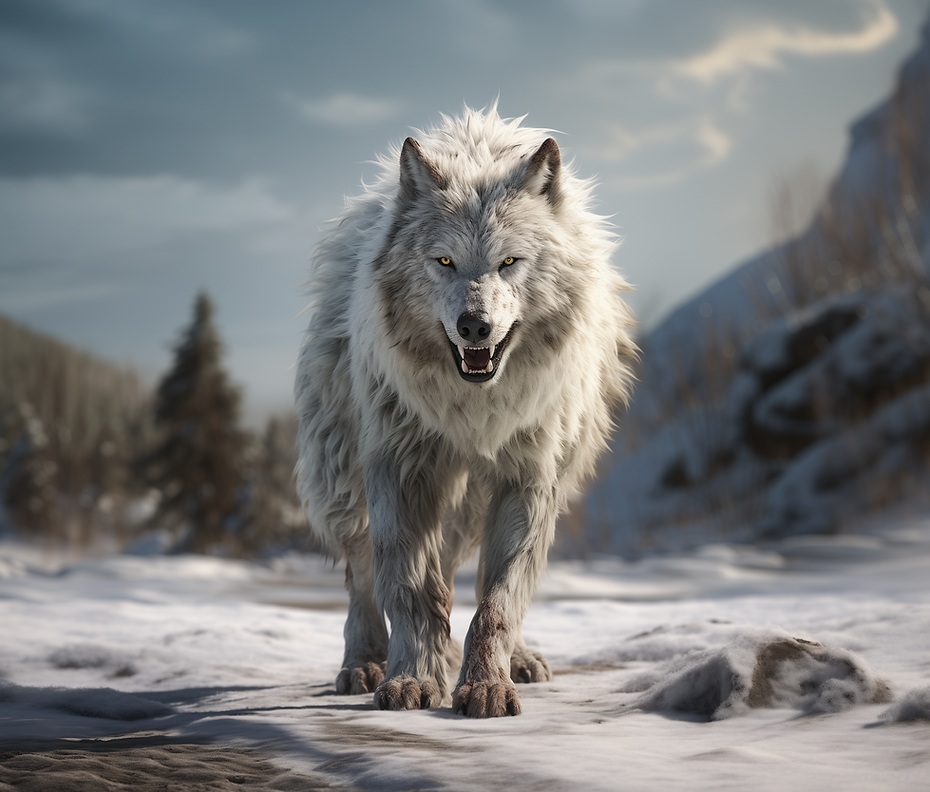
Creature design and character design both translate narrative intent into visual form. Both use shape language, proportion, color, expression, pose, and reference. The difference is emphasis. Character design often starts with identity: who is this person, what do they want, how do they belong to the world, and what should the audience feel? Creature design must answer those questions while also making an unfamiliar body physically and behaviorally credible.
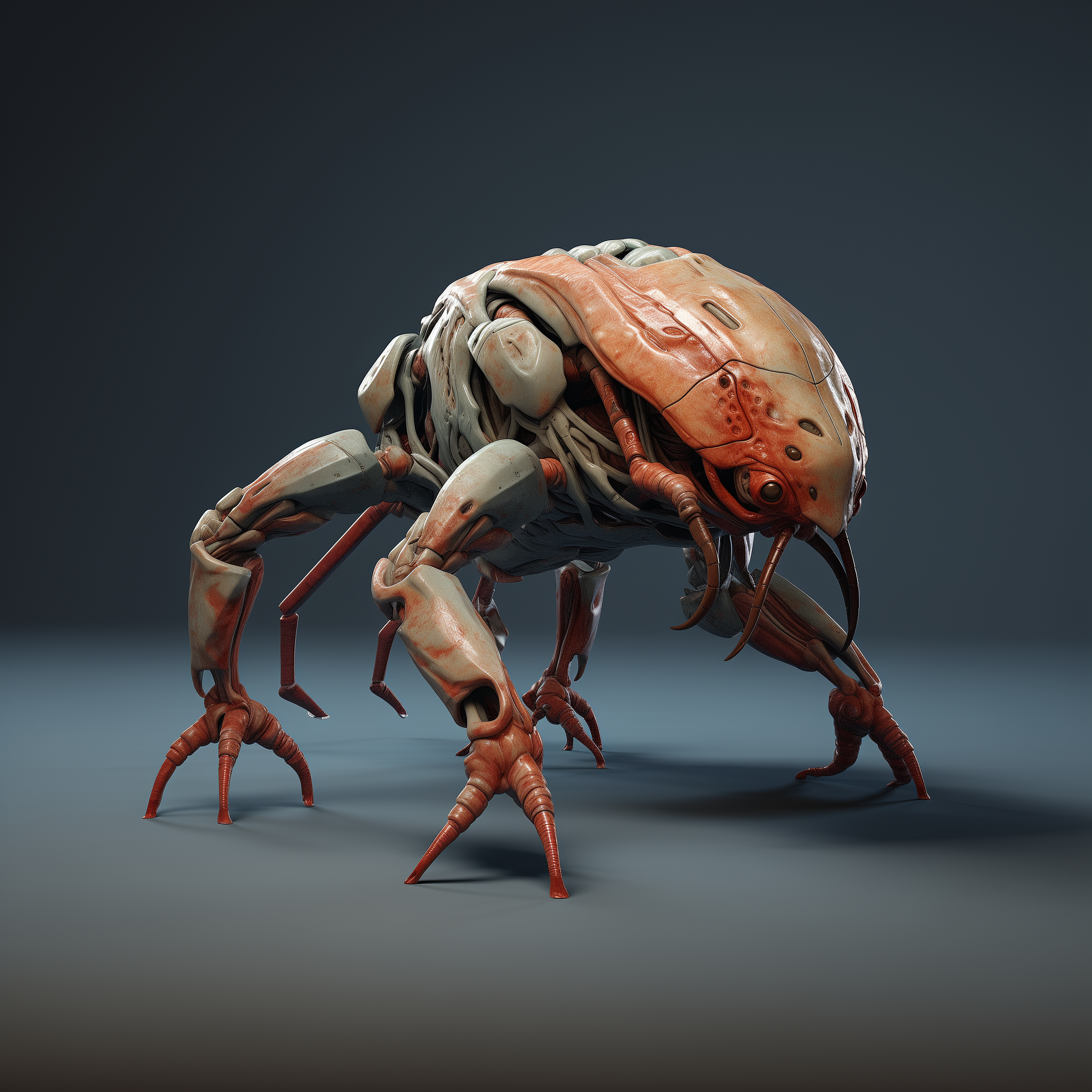
Anatomy is the clearest distinction. A human or humanoid character begins from a body plan viewers already understand, even when it is stylized. A creature may be quadrupedal, winged, aquatic, multi-limbed, microscopic, enormous, or built around senses humans do not have. Designers must decide where joints sit, how muscles drive them, how the center of mass shifts, and whether the silhouette remains readable in motion.
Character design often communicates identity through face, hair, costume, props, culture, and social status.
Creature design often communicates function through anatomy, locomotion, sensory organs, defensive structures, habitat adaptations, and behavior.
Character animation can lean on familiar human performance; creature animation may require animal reference, invented gaits, weight studies, and specialized rigs.
Character surfaces frequently emphasize skin, clothing, and accessories; creature surfaces may add scales, shells, membranes, feathers, fur, slime, muscle sliding, or procedural variation.
Both disciplines need personality. A creature can be a protagonist, companion, antagonist, or species, and its emotional readability should match that role.
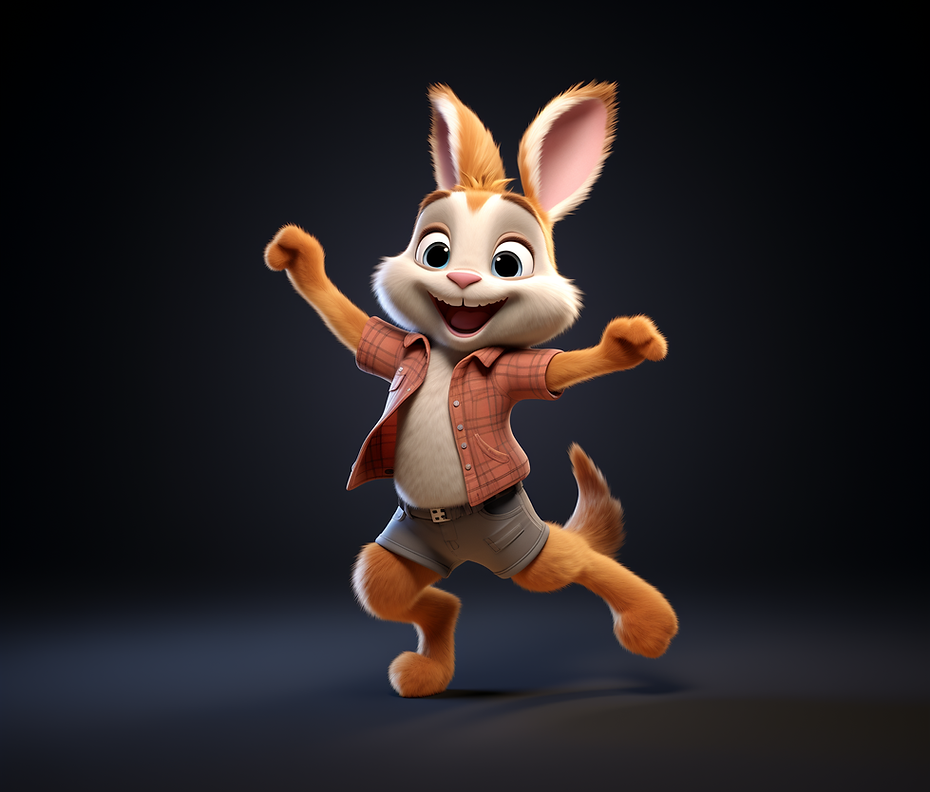
The boundary is intentionally flexible. A talking alien with a rich emotional arc is both a creature and a character. A stylized animal mascot may use character-design methods while still requiring creature anatomy and quadruped motion. The most useful classification is therefore production-based: identify the unfamiliar biological, performance, and technical problems, then assemble the disciplines needed to solve them.
How the Production Workflows Differ
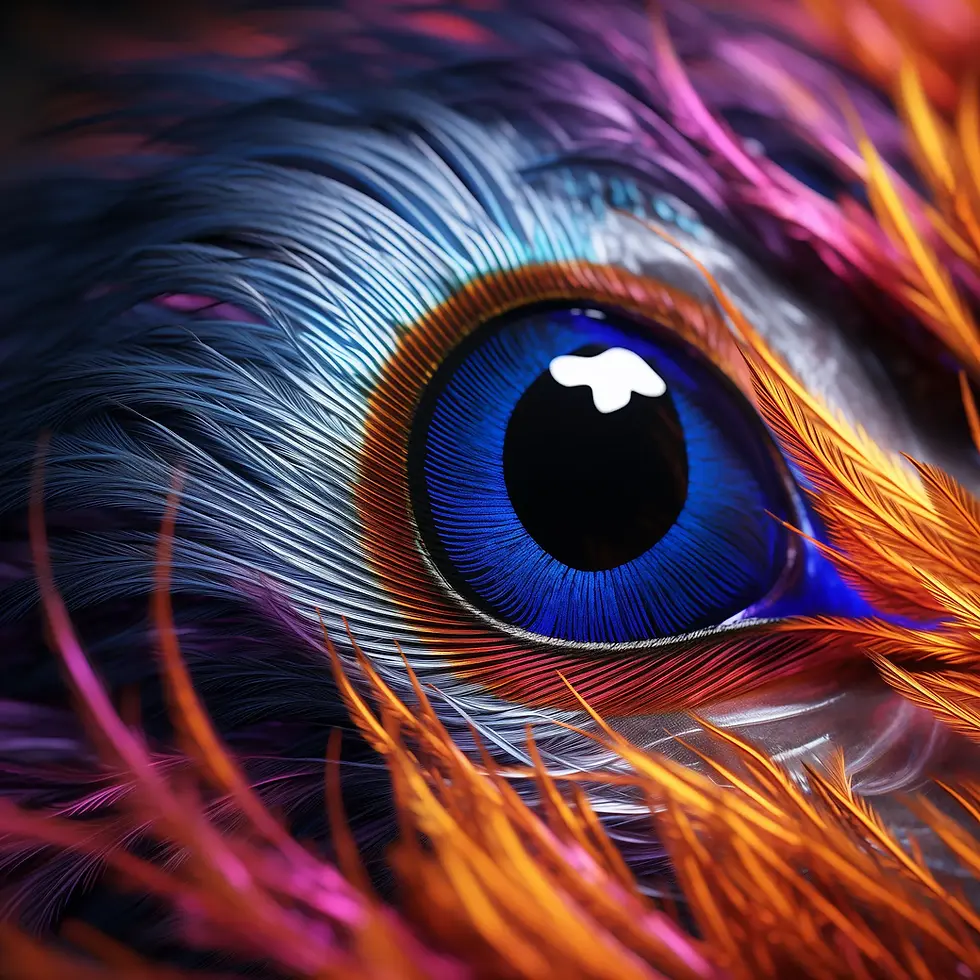
A conventional character workflow may move from written brief to thumbnails, turnaround, model sheet, sculpt, topology, textures, clothing, hair, rig, and animation. Creature design follows a similar sequence, but it needs earlier tests for balance, range of motion, surface behavior, and non-human performance. Waiting until rigging to discover that a shoulder cannot support a wing or that six legs collide during a turn is expensive.
The strongest creature workflows begin with a functional hypothesis. The team defines habitat, scale, diet, senses, temperament, locomotion, narrative role, camera distance, and target platform. Concept artists then explore silhouettes and anatomical systems rather than decorating a single pose. Early 3D blockouts test mass and articulation. The approved design becomes a reference package that the modeling, grooming, rigging, and animation teams can interpret consistently.
Modeling converts the approved idea into production geometry. Creature topology must accommodate the actual deformation plan, not merely look smooth in a turntable. The article on how 3D character modeling changes for creatures covers how unusual anatomy, surface landmarks, and motion demands affect sculpting, retopology, and UV decisions.
Rigging and animation then prove whether the anatomy works. The rig needs controls that reflect the creature's body plan, while animation establishes weight, rhythm, intention, and contact. Multi-limbed beings may require coordinated gait systems and custom deformation logic; wings, tails, jaws, membranes, and facial structures may each need dedicated controls. Mimic's creature animation pipeline guide shows how design, rigging, performance, and delivery remain connected.
For adaptive or interactive creatures, Mimic's AI and real-time technology can extend the workflow into behavior systems, responsive movement, motion capture, procedural support, and optimization. The creative goal remains the same: every technical layer should reinforce the creature's identity rather than expose the machinery underneath.
Deliverables a Production Team Should Expect
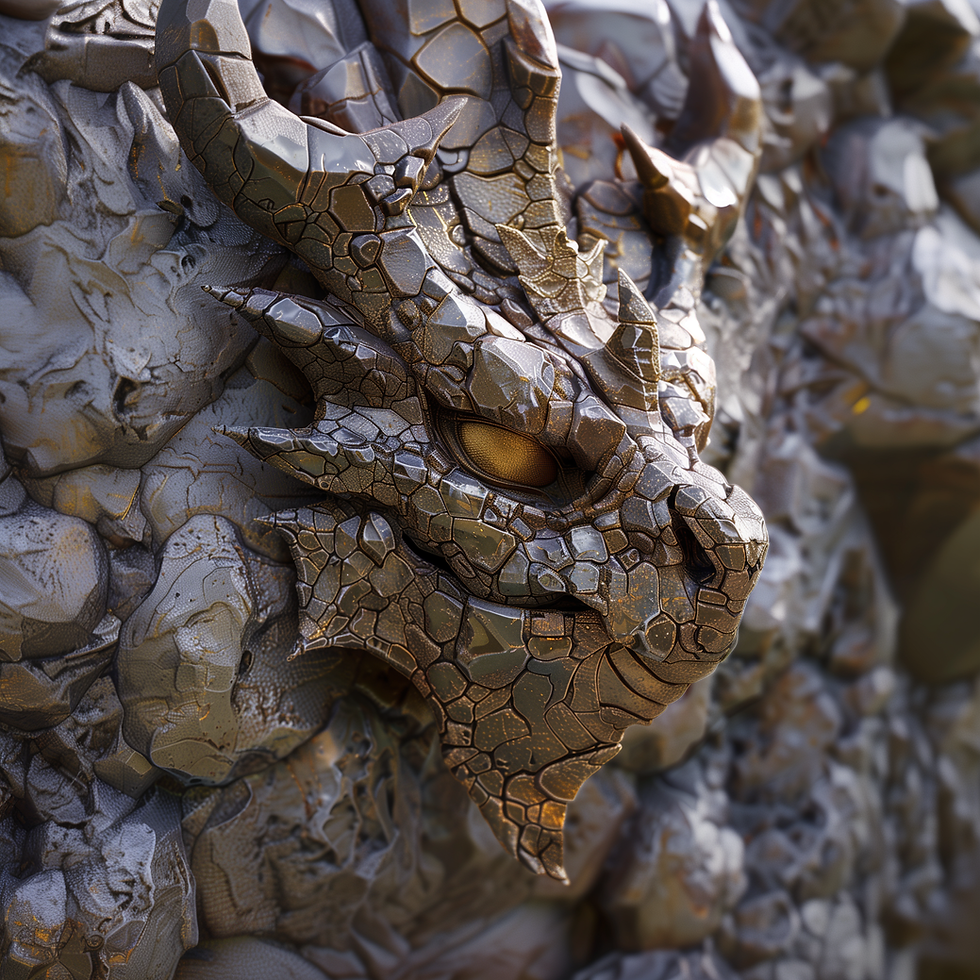
The phrase creature design can describe anything from a single concept image to a fully rigged, animated, engine-ready asset. Before comparing studios or bids, define the expected deliverables. A concept-only engagement may include mood boards, silhouettes, anatomy explorations, color variants, orthographic views, scale references, expression studies, and a creature bible. A full 3D engagement adds sculpting, retopology, UVs, textures, look development, grooming, rigging, animation tests, exports, and documentation.
For games and XR, ask for target engine, polygon and material budgets, texture resolution, level-of-detail strategy, skeleton rules, naming conventions, collision requirements, animation state expectations, and platform performance. For VFX, clarify shot count, camera distance, render pipeline, displacement, grooming, simulation, facial performance, muscle or skin behavior, and delivery to lighting or compositing.
Approved concept package with scale, anatomy, materials, color, and behavior notes.
Production model with topology and UVs appropriate to the deformation and rendering plan.
Texture and look-development package covering skin, fur, scales, eyes, teeth, claws, wear, and variation where relevant.
Rig and deformation tests that demonstrate extreme poses, contacts, facial range, and secondary appendages.
Animation tests or final clips covering locomotion, performance beats, interactions, and transitions.
Integration-ready exports, technical documentation, known limitations, and review evidence.
A production-ready handoff should contain proof, not only files. Turntables, pose tests, deformation captures, engine screenshots, animation clips, and validation notes help the receiving team confirm that the asset behaves as promised. Mimic's guidance on creature pipeline handoff and creature QA testing provides a practical framework for approving both artistic quality and technical reliability.
When Do You Need a Creature Design Specialist?
A general character team may be fully capable of a stylized animal, a mostly humanoid alien, or a background creature with limited screen time. A specialist becomes valuable when the project introduces unfamiliar anatomy, high realism, complex surfaces, non-human locomotion, demanding close-ups, interactive behavior, or a costly technical handoff. The more departments the creature touches, the more important it is to design those dependencies early.
Consider specialist creature design when the being is central to the story or gameplay; when its body plan is not a standard biped; when fur, feathers, membranes, muscle, skin sliding, or cloth-like anatomy affect performance; when it must work across cinematic and real-time contexts; or when multiple creatures need a coherent species system. Specialist involvement is also useful when the design must remain emotionally readable without relying on human speech or familiar facial proportions.
The commercial advantage is risk reduction. Early anatomy and motion tests can prevent redesign after modeling. A rig designed around intended behavior reduces animation workarounds. Engine tests expose material and performance constraints before final look development. A connected pipeline also makes change requests easier to evaluate because the team can explain what a larger wing, longer limb, denser groom, or more expressive face changes downstream.
If the asset already exists but fails in production, a specialist can audit the weak point. The issue may be concept ambiguity, topology, deformation, grooming, animation timing, export settings, or optimization. Mimic's creature integration guide explains how validation in the destination pipeline helps teams separate aesthetic problems from technical ones.
How to Brief a Creature Design Studio
A useful brief defines the problem while leaving room for expert exploration. Start with the creature's narrative role: protagonist, companion, threat, wildlife, boss, guide, brand figure, or interactive agent. Describe what the audience should feel, what the creature must do, how close the camera gets, and where the final asset will run. A list of adjectives is helpful, but observable behavior is better. “Protective but cautious, circles before approaching, uses scent before sight” gives the design team something testable.
Provide references with reasons. Explain whether each image supports anatomy, mood, surface, color, movement, scale, or a quality bar. State what should not be copied and identify any visual cliches to avoid. Include the target style, realism level, audience, content rating, cultural sensitivities, deadlines, review cadence, decision-makers, software constraints, and required deliverables.
Technical information belongs in the brief from the beginning. Name the engine or renderer, target hardware, frame-rate goal, camera distance, expected animation list, skeleton compatibility, facial requirements, groom or simulation needs, file formats, and integration owner. For a precise checklist, use Mimic's article on what a 3D creature design brief should include.
Finally, define approval gates. Typical gates include direction, silhouette, anatomy, color and surface, 3D blockout, final model, textures, groom, rig, motion tests, and integration. Approving each gate against written criteria protects the creative idea and the schedule. Scope changes still happen, but the team can see whether a request affects one deliverable or the whole creature system. Mimic's cost and timeline guide explains why complexity, fidelity, motion, revisions, and destination platform shape the estimate.
Creature Design FAQ
What is creature design?
Creature design is the process of developing a believable non-human being for film, games, XR, animation, advertising, or another narrative experience. It combines story function, anatomy, silhouette, behavior, surfaces, movement, and production constraints.
What is the main difference between creature design and character design?
Character design usually emphasizes identity, personality, costume, expression, and social role. Creature design includes those storytelling concerns but places greater emphasis on invented biology, non-human locomotion, specialized surfaces, rigging, simulation, and technical integration.
Can a creature also be a character?
Yes. A creature becomes a character when it carries narrative agency, emotion, relationships, and a recognizable point of view. Many companions, aliens, monsters, and talking animals need both creature-design and character-design expertise.
What does a creature designer deliver?
Deliverables can range from silhouettes, concepts, turnarounds, anatomy studies, and creature bibles to production models, textures, grooms, rigs, animation tests, engine exports, and handoff documentation. The brief should state exactly which stages are included.
Why is animal anatomy important in fantasy creature design?
Real anatomy gives invented forms believable structure, balance, joint behavior, and muscle logic. Designers can exaggerate or combine species, but audiences more readily accept fantasy when the body appears capable of performing its intended actions.
When should a project hire a specialist creature studio?
Hire specialist support when the asset has unfamiliar anatomy, high realism, complex fur or simulation, non-human movement, close-up performance, interactive behavior, cross-platform delivery, or high creative and technical risk.
How long does professional creature design take?
Timing depends on concept exploration, complexity, realism, number of review rounds, modeling detail, grooming, rigging, animation, and integration requirements. A concept-only engagement may take weeks, while a hero creature built and validated across a full pipeline can take substantially longer.
Can AI replace creature designers?
AI can accelerate reference exploration, variation, motion prototyping, and some repetitive tasks, but production still requires artistic direction, rights-aware decisions, coherent anatomy, technical construction, performance judgment, cleanup, and validation by skilled teams.
Conclusion
Creature design and character design share the goal of creating memorable beings, but they solve different concentrations of problems. Character design makes identity legible. Creature design must make an unfamiliar body, behavior, surface, and performance feel coherent while surviving the practical demands of modeling, rigging, animation, rendering, and integration.
Planning a creature for a game, VFX production, XR experience, film, or interactive world? Contact Mimic Creatures to scope concept design, modeling, texturing, grooming, rigging, animation, AI-driven behavior, and production integration as one connected workflow.
What is the difference between creature design and character design?
Creature design creates believable non-human beings whose anatomy, behavior, surfaces, and movement must support a story and a production pipeline. Character design defines a story role through silhouette, personality, costume, expression, and recognizable visual language. The disciplines overlap, but creature design usually demands deeper attention to invented biology, non-human locomotion, grooming, simulation, rigging, and technical integration.
For producers, directors, game developers, and immersive-experience teams, the practical question is not which label sounds right. It is which specialist skills the asset needs. This guide explains the difference, shows where the workflows meet, and clarifies when a project benefits from an integrated creature design partner such as Mimic Creatures.
Table of Contents
What Is Creature Design?
Creature design is the development of an animal, monster, alien, hybrid species, or other non-human being for a narrative or interactive experience. A successful design does more than look original. It explains, through form, how the being survives, senses its environment, carries weight, communicates, attacks, protects itself, and reacts under pressure. That logic gives artists, animators, and audiences a shared understanding of what the creature can do.
The work often begins with story function and reference research. Designers study real skeletons, muscle groups, gaits, skin, scales, feathers, fur, and habitat adaptations, then recombine those observations into a new biological system. Mimic's guide to building believable 3D creatures explains why anatomy, silhouette, scale, and movement should be designed together instead of treated as separate polishing stages.
In professional production, creature design also anticipates downstream use. A cinematic hero seen in close-up may need pore-level surfaces, facial nuance, muscle simulation, and shot-specific deformation. A real-time enemy may need a readable silhouette, efficient topology, predictable collision, animation states, and a performance budget. An XR companion may additionally need responsive behavior, comfortable scale, gaze logic, and interaction rules.
That is why Mimic Creatures' production services connect concept design, modeling, texturing, grooming, rigging, animation, and integration. The creature is treated as one system from the first sketch to the final engine or shot, reducing the risk that a striking concept becomes technically fragile later.
Creature Design vs. Character Design: Key Differences
Creature design and character design both translate narrative intent into visual form. Both use shape language, proportion, color, expression, pose, and reference. The difference is emphasis. Character design often starts with identity: who is this person, what do they want, how do they belong to the world, and what should the audience feel? Creature design must answer those questions while also making an unfamiliar body physically and behaviorally credible.
Anatomy is the clearest distinction. A human or humanoid character begins from a body plan viewers already understand, even when it is stylized. A creature may be quadrupedal, winged, aquatic, multi-limbed, microscopic, enormous, or built around senses humans do not have. Designers must decide where joints sit, how muscles drive them, how the center of mass shifts, and whether the silhouette remains readable in motion.
Character design often communicates identity through face, hair, costume, props, culture, and social status.
Creature design often communicates function through anatomy, locomotion, sensory organs, defensive structures, habitat adaptations, and behavior.
Character animation can lean on familiar human performance; creature animation may require animal reference, invented gaits, weight studies, and specialized rigs.
Character surfaces frequently emphasize skin, clothing, and accessories; creature surfaces may add scales, shells, membranes, feathers, fur, slime, muscle sliding, or procedural variation.
Both disciplines need personality. A creature can be a protagonist, companion, antagonist, or species, and its emotional readability should match that role.
The boundary is intentionally flexible. A talking alien with a rich emotional arc is both a creature and a character. A stylized animal mascot may use character-design methods while still requiring creature anatomy and quadruped motion. The most useful classification is therefore production-based: identify the unfamiliar biological, performance, and technical problems, then assemble the disciplines needed to solve them.
How the Production Workflows Differ
A conventional character workflow may move from written brief to thumbnails, turnaround, model sheet, sculpt, topology, textures, clothing, hair, rig, and animation. Creature design follows a similar sequence, but it needs earlier tests for balance, range of motion, surface behavior, and non-human performance. Waiting until rigging to discover that a shoulder cannot support a wing or that six legs collide during a turn is expensive.
The strongest creature workflows begin with a functional hypothesis. The team defines habitat, scale, diet, senses, temperament, locomotion, narrative role, camera distance, and target platform. Concept artists then explore silhouettes and anatomical systems rather than decorating a single pose. Early 3D blockouts test mass and articulation. The approved design becomes a reference package that the modeling, grooming, rigging, and animation teams can interpret consistently.
Modeling converts the approved idea into production geometry. Creature topology must accommodate the actual deformation plan, not merely look smooth in a turntable. The article on how 3D character modeling changes for creatures covers how unusual anatomy, surface landmarks, and motion demands affect sculpting, retopology, and UV decisions.
Rigging and animation then prove whether the anatomy works. The rig needs controls that reflect the creature's body plan, while animation establishes weight, rhythm, intention, and contact. Multi-limbed beings may require coordinated gait systems and custom deformation logic; wings, tails, jaws, membranes, and facial structures may each need dedicated controls. Mimic's creature animation pipeline guide shows how design, rigging, performance, and delivery remain connected.
For adaptive or interactive creatures, Mimic's AI and real-time technology can extend the workflow into behavior systems, responsive movement, motion capture, procedural support, and optimization. The creative goal remains the same: every technical layer should reinforce the creature's identity rather than expose the machinery underneath.
Deliverables a Production Team Should Expect
The phrase creature design can describe anything from a single concept image to a fully rigged, animated, engine-ready asset. Before comparing studios or bids, define the expected deliverables. A concept-only engagement may include mood boards, silhouettes, anatomy explorations, color variants, orthographic views, scale references, expression studies, and a creature bible. A full 3D engagement adds sculpting, retopology, UVs, textures, look development, grooming, rigging, animation tests, exports, and documentation.
For games and XR, ask for target engine, polygon and material budgets, texture resolution, level-of-detail strategy, skeleton rules, naming conventions, collision requirements, animation state expectations, and platform performance. For VFX, clarify shot count, camera distance, render pipeline, displacement, grooming, simulation, facial performance, muscle or skin behavior, and delivery to lighting or compositing.
Approved concept package with scale, anatomy, materials, color, and behavior notes.
Production model with topology and UVs appropriate to the deformation and rendering plan.
Texture and look-development package covering skin, fur, scales, eyes, teeth, claws, wear, and variation where relevant.
Rig and deformation tests that demonstrate extreme poses, contacts, facial range, and secondary appendages.
Animation tests or final clips covering locomotion, performance beats, interactions, and transitions.
Integration-ready exports, technical documentation, known limitations, and review evidence.
A production-ready handoff should contain proof, not only files. Turntables, pose tests, deformation captures, engine screenshots, animation clips, and validation notes help the receiving team confirm that the asset behaves as promised. Mimic's guidance on creature pipeline handoff and creature QA testing provides a practical framework for approving both artistic quality and technical reliability.
When Do You Need a Creature Design Specialist?
A general character team may be fully capable of a stylized animal, a mostly humanoid alien, or a background creature with limited screen time. A specialist becomes valuable when the project introduces unfamiliar anatomy, high realism, complex surfaces, non-human locomotion, demanding close-ups, interactive behavior, or a costly technical handoff. The more departments the creature touches, the more important it is to design those dependencies early.
Consider specialist creature design when the being is central to the story or gameplay; when its body plan is not a standard biped; when fur, feathers, membranes, muscle, skin sliding, or cloth-like anatomy affect performance; when it must work across cinematic and real-time contexts; or when multiple creatures need a coherent species system. Specialist involvement is also useful when the design must remain emotionally readable without relying on human speech or familiar facial proportions.
The commercial advantage is risk reduction. Early anatomy and motion tests can prevent redesign after modeling. A rig designed around intended behavior reduces animation workarounds. Engine tests expose material and performance constraints before final look development. A connected pipeline also makes change requests easier to evaluate because the team can explain what a larger wing, longer limb, denser groom, or more expressive face changes downstream.
If the asset already exists but fails in production, a specialist can audit the weak point. The issue may be concept ambiguity, topology, deformation, grooming, animation timing, export settings, or optimization. Mimic's creature integration guide explains how validation in the destination pipeline helps teams separate aesthetic problems from technical ones.
How to Brief a Creature Design Studio
A useful brief defines the problem while leaving room for expert exploration. Start with the creature's narrative role: protagonist, companion, threat, wildlife, boss, guide, brand figure, or interactive agent. Describe what the audience should feel, what the creature must do, how close the camera gets, and where the final asset will run. A list of adjectives is helpful, but observable behavior is better. “Protective but cautious, circles before approaching, uses scent before sight” gives the design team something testable.
Provide references with reasons. Explain whether each image supports anatomy, mood, surface, color, movement, scale, or a quality bar. State what should not be copied and identify any visual cliches to avoid. Include the target style, realism level, audience, content rating, cultural sensitivities, deadlines, review cadence, decision-makers, software constraints, and required deliverables.
Technical information belongs in the brief from the beginning. Name the engine or renderer, target hardware, frame-rate goal, camera distance, expected animation list, skeleton compatibility, facial requirements, groom or simulation needs, file formats, and integration owner. For a precise checklist, use Mimic's article on what a 3D creature design brief should include.
Finally, define approval gates. Typical gates include direction, silhouette, anatomy, color and surface, 3D blockout, final model, textures, groom, rig, motion tests, and integration. Approving each gate against written criteria protects the creative idea and the schedule. Scope changes still happen, but the team can see whether a request affects one deliverable or the whole creature system. Mimic's cost and timeline guide explains why complexity, fidelity, motion, revisions, and destination platform shape the estimate.
Creature Design FAQ
What is creature design?
Creature design is the process of developing a believable non-human being for film, games, XR, animation, advertising, or another narrative experience. It combines story function, anatomy, silhouette, behavior, surfaces, movement, and production constraints.
What is the main difference between creature design and character design?
Character design usually emphasizes identity, personality, costume, expression, and social role. Creature design includes those storytelling concerns but places greater emphasis on invented biology, non-human locomotion, specialized surfaces, rigging, simulation, and technical integration.
Can a creature also be a character?
Yes. A creature becomes a character when it carries narrative agency, emotion, relationships, and a recognizable point of view. Many companions, aliens, monsters, and talking animals need both creature-design and character-design expertise.
What does a creature designer deliver?
Deliverables can range from silhouettes, concepts, turnarounds, anatomy studies, and creature bibles to production models, textures, grooms, rigs, animation tests, engine exports, and handoff documentation. The brief should state exactly which stages are included.
Why is animal anatomy important in fantasy creature design?
Real anatomy gives invented forms believable structure, balance, joint behavior, and muscle logic. Designers can exaggerate or combine species, but audiences more readily accept fantasy when the body appears capable of performing its intended actions.
When should a project hire a specialist creature studio?
Hire specialist support when the asset has unfamiliar anatomy, high realism, complex fur or simulation, non-human movement, close-up performance, interactive behavior, cross-platform delivery, or high creative and technical risk.
How long does professional creature design take?
Timing depends on concept exploration, complexity, realism, number of review rounds, modeling detail, grooming, rigging, animation, and integration requirements. A concept-only engagement may take weeks, while a hero creature built and validated across a full pipeline can take substantially longer.
Can AI replace creature designers?
AI can accelerate reference exploration, variation, motion prototyping, and some repetitive tasks, but production still requires artistic direction, rights-aware decisions, coherent anatomy, technical construction, performance judgment, cleanup, and validation by skilled teams.
Conclusion
Creature design and character design share the goal of creating memorable beings, but they solve different concentrations of problems. Character design makes identity legible. Creature design must make an unfamiliar body, behavior, surface, and performance feel coherent while surviving the practical demands of modeling, rigging, animation, rendering, and integration.
Planning a creature for a game, VFX production, XR experience, film, or interactive world? Contact Mimic Creatures to scope concept design, modeling, texturing, grooming, rigging, animation, AI-driven behavior, and production integration as one connected workflow.
Comments