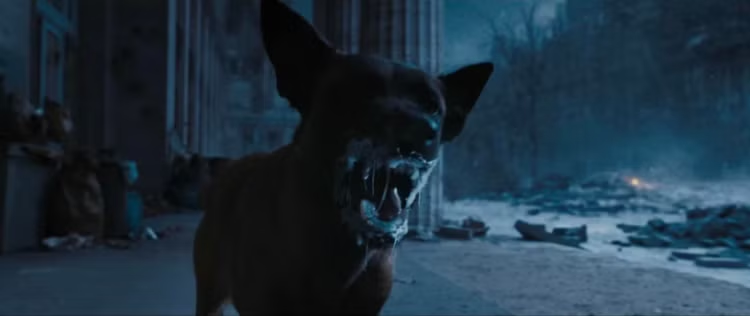
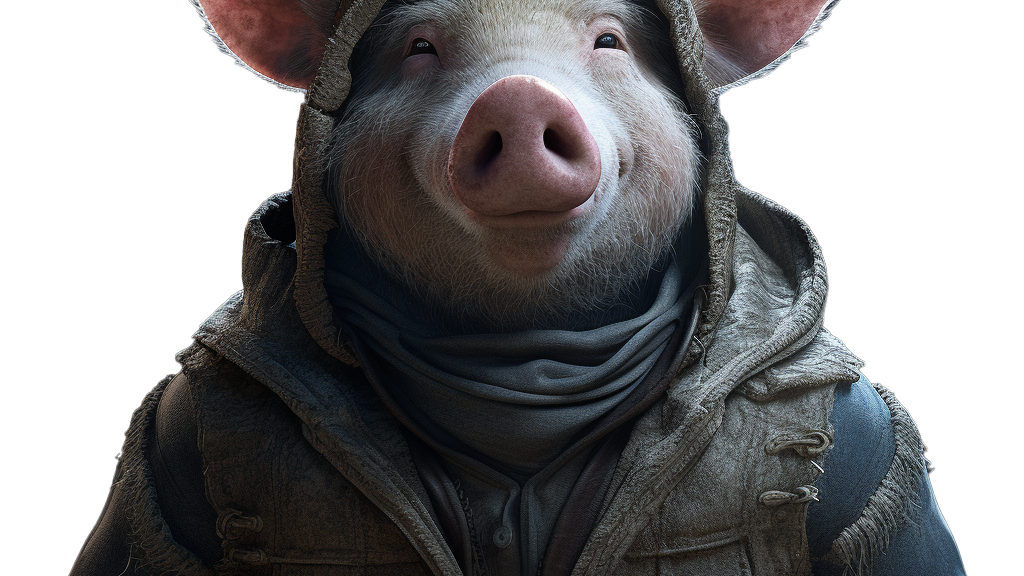
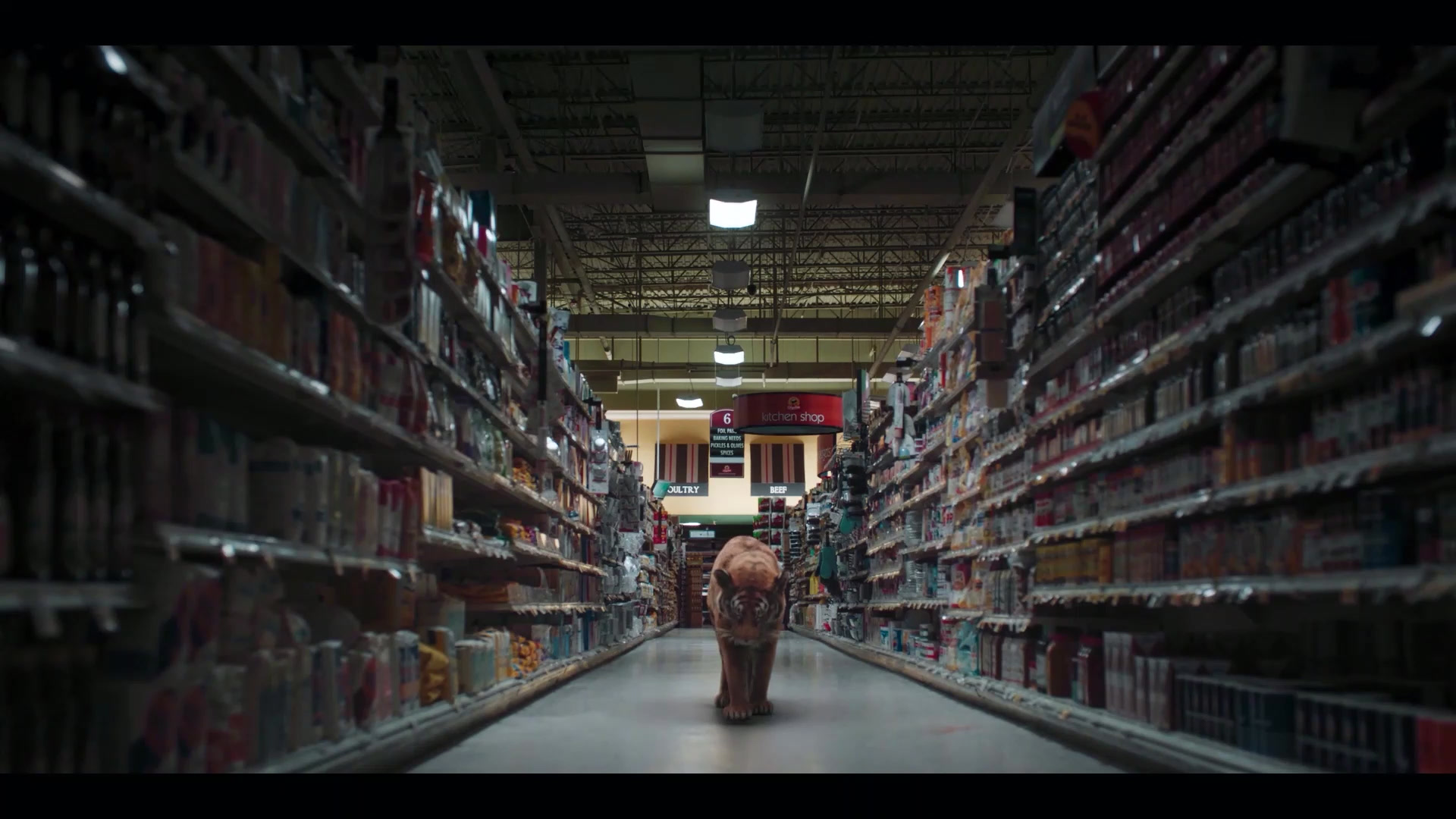
What do professional 3D character modeling services actually deliver—and how can you tell whether a studio will produce an asset your team can really use?
Professional 3D character modeling services turn a visual idea into a structured digital asset for animation, games, VFX, XR, virtual production, advertising, or interactive experiences. The work can include concept refinement, sculpting, retopology, UVs, texturing, grooming, rigging preparation, optimization, and technical delivery. The most valuable result is not simply an attractive render. It is a character that performs reliably in the client’s real pipeline.
For creatures, the challenge is greater because there may be no standard anatomy, familiar proportions, or ready-made motion logic. This buyer’s guide explains what to expect, which questions to ask, and how to brief a studio so the final model is believable, animation-ready, and appropriate for its destination platform.
Table of Contents
What Do 3D Character Modeling Services Include?
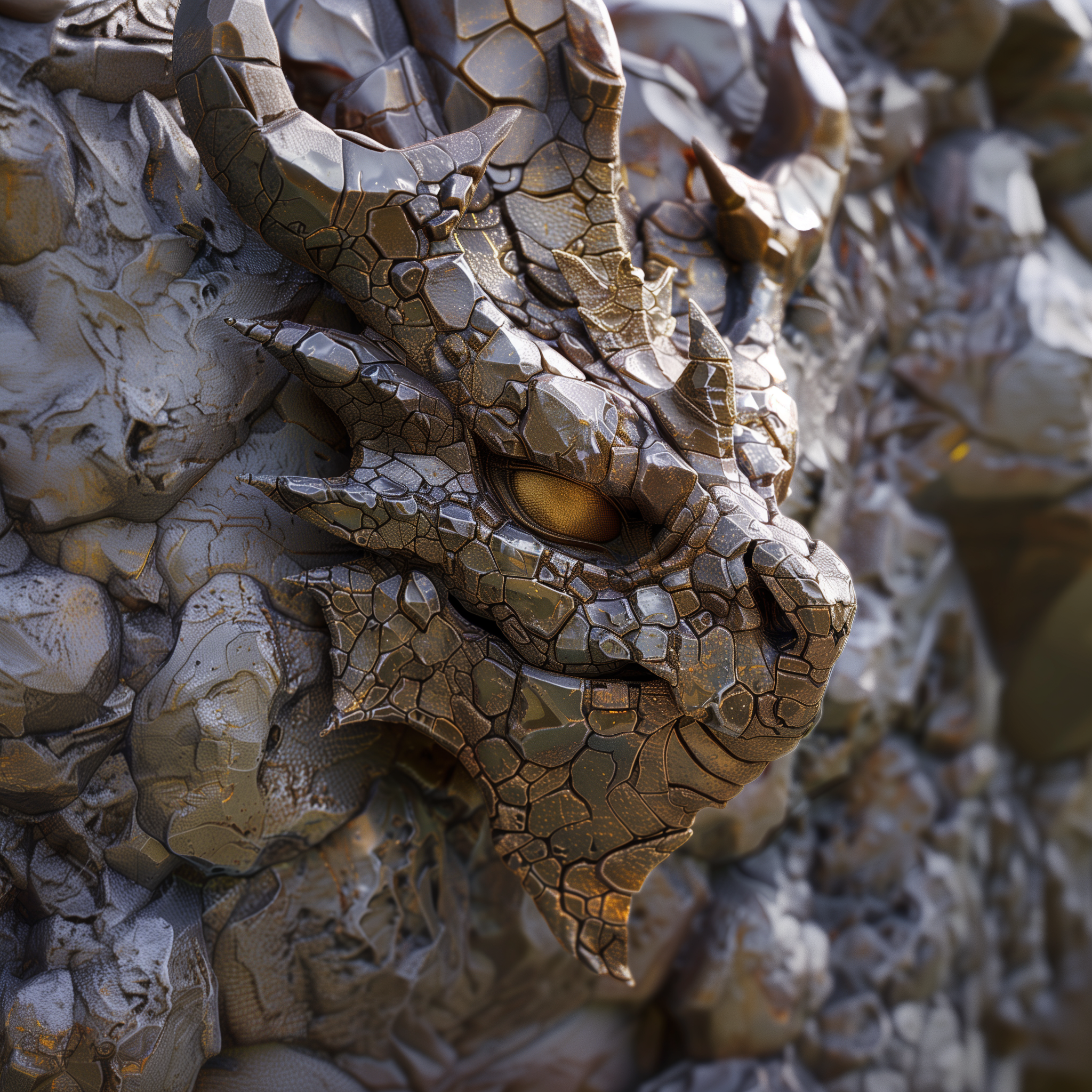
A complete service converts creative intent into geometry, surfaces, and technical structure. The exact scope depends on whether the character is a background asset, a real-time game character, a close-up VFX creature, or an interactive being that must respond to users. A capable studio defines that destination before adding detail, because polygon density, texture resolution, topology, grooming, and rig requirements all change with the use case.
The process often begins with concept interpretation. Existing artwork may look compelling from one camera angle yet leave anatomy, scale, materials, or hidden surfaces unresolved. Artists clarify those decisions with reference boards, orthographic views, silhouettes, and quick blockouts. Mimic Creatures’ guide to building believable 3D creatures shows why story, habitat, anatomy, and movement must agree before production moves forward.
High-resolution sculpting: Creates primary form, anatomy, secondary structures, and fine detail for approval or baking.
Retopology and UV mapping: Builds efficient edge flow and texture coordinates that support deformation, rendering, and downstream edits.
Texturing and look development: Defines skin, scales, fur, armor, wear, subsurface response, and material variation under representative lighting.
Grooming and rig preparation: Plans hair systems, joint zones, facial shapes, membranes, tails, wings, or other structures that must move.
Optimization and delivery: Produces required LODs, texture sets, naming, scale, pivots, exports, engine tests, and documentation.
Some suppliers stop at a static mesh. Others provide an integrated character or creature pipeline spanning design, modeling, surfacing, rigging, animation, and engine integration. If several departments will touch the asset, an integrated workflow usually reduces translation errors. The detailed creature-specific 3D character modeling guide explains how topology and anatomy decisions anticipate rigging, grooming, and performance.
How Does the Professional 3D Character Modeling Workflow Work?
A professional workflow moves from cheap decisions to expensive decisions. Silhouette, proportion, anatomy, target platform, and required actions should be approved before artists commit to pores, scales, feathers, or dense hair. This staged approach makes feedback easier to interpret and prevents beautiful detail from hiding structural problems.
First, the studio converts the brief into measurable requirements: hero or background importance, camera distance, expected poses, facial performance, shot count, interaction, engine, renderer, frame-rate target, memory limits, and delivery formats. It then builds a blockout that tests scale and readability. For an invented creature, the blockout should also reveal balance, center of mass, locomotion, and how unusual limbs connect to the torso.
After approval, artists sculpt the high-resolution form and develop a production mesh. Retopology is not a routine cleanup step; it decides whether the surface can bend, compress, stretch, and hold volume. UVs and texture sets are planned around visible detail and platform limits. The production-ready creature texturing workflow shows how material choices must remain convincing across close-ups, changing light, and motion.
Rigging and motion tests should begin before the asset looks finished. A gray model can expose shoulder collapse, sliding feet, tail intersections, or facial limitations early. Motion capture may contribute rhythm and intent, but non-human anatomy usually needs reinterpretation; the creature motion-capture guide explains how performance is adapted rather than copied literally.
Discovery and technical specification
Reference, concept refinement, and blockout approval
High-resolution sculpt and design review
Retopology, UVs, textures, materials, and grooming
Rigging, deformation, animation, and stress tests
Optimization, integration, quality control, and documented handoff
The best workflows are iterative without being vague. Each milestone should answer a defined question and have a named approver. That discipline gives artists room to explore while protecting schedule and budget from uncontrolled revision cycles.
What Makes a 3D Character Production-Ready?
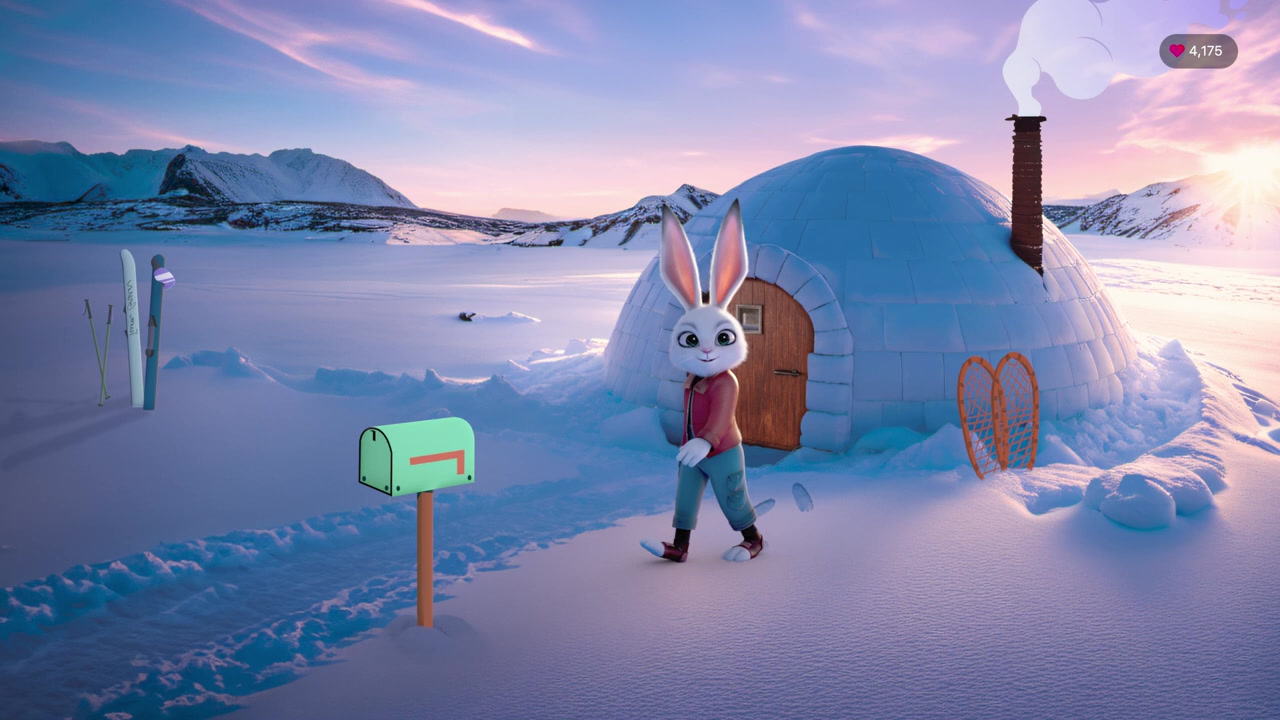
A production-ready character is fit for its intended job, not merely finished in the software used to create it. It opens correctly, respects scale and naming conventions, deforms cleanly, renders or runs within budget, and includes the files another artist or developer needs to continue. A polished turntable cannot prove any of those things on its own.
For games and XR, readiness often means efficient topology, planned LODs, controlled material count, tested texture memory, stable shaders, correct skeleton conventions, collision, and predictable exports into Unreal Engine or Unity. Interactive creatures may also need animation states, transitions, navigation logic, gaze, response timing, or procedural layers. The guide to real-time creature behavior systems describes how asset construction connects to responsive performance.
For cinematic VFX, the emphasis may shift to subdivision quality, close-up displacement, groom simulation, muscle and skin behavior, render compatibility, shot-specific controls, and reliable caches. Even then, efficiency matters. Heavy geometry or simulation that adds no visible value slows iteration and increases risk. Read the creature integration guide for games, XR, and VFX for practical handoff considerations across different production environments.
Visual approval: The design, silhouette, anatomy, scale, surfaces, and expression support the story.
Deformation approval: Required poses and expressions work without collapsing forms or unstable intersections.
Performance approval: The asset meets frame-time, render-time, memory, simulation, and platform limits.
Integration approval: Files import correctly, shaders connect, animation plays, and scale and orientation are right.
Handoff approval: The package includes source files, exports, textures, dependencies, version notes, and documentation.
A useful acceptance test is simple: can a qualified person who did not build the character load it, understand it, and use it without chasing missing files or undocumented assumptions? If not, the asset is still a work in progress.
How Do You Choose the Right 3D Modeling Studio?
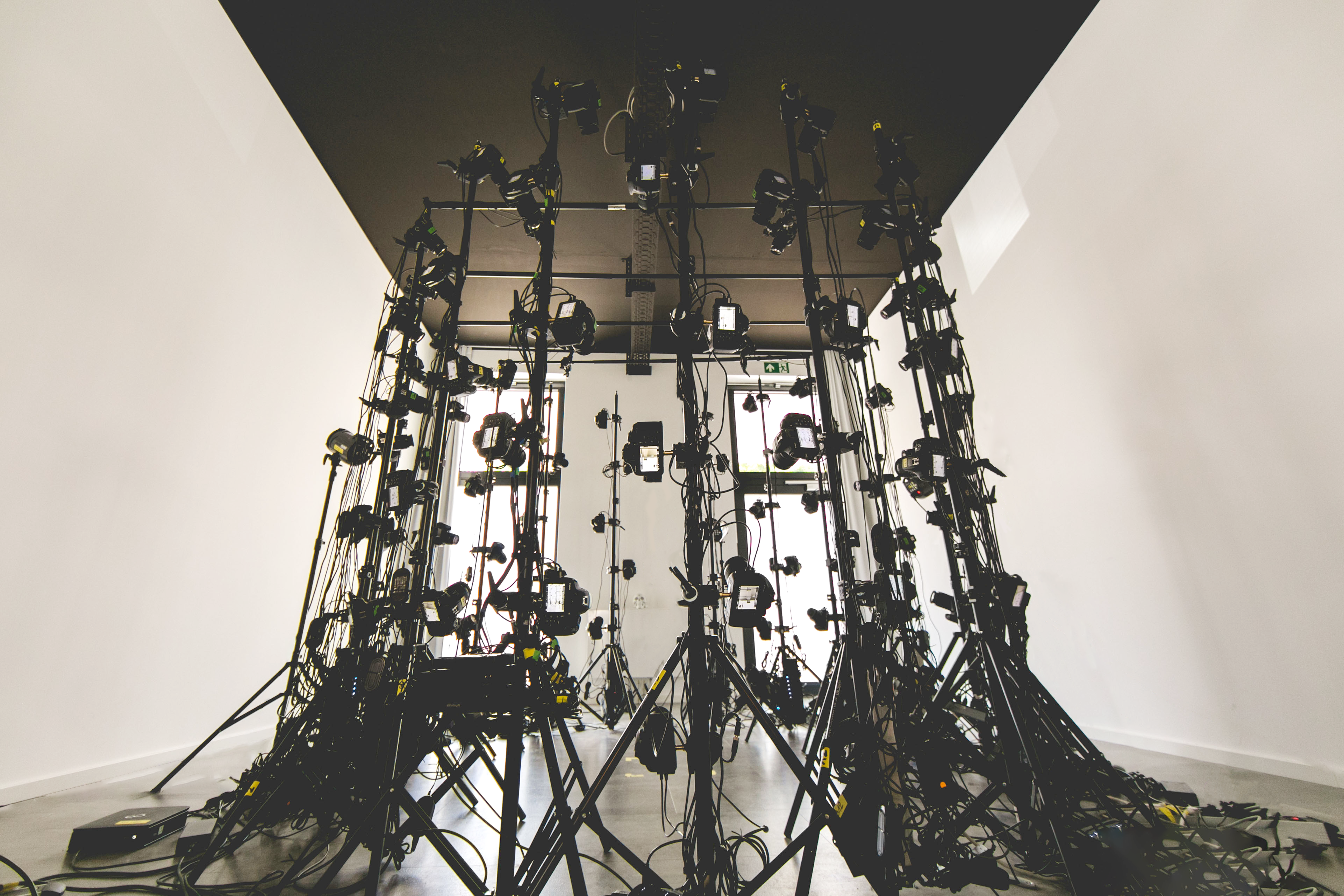
Choose a studio by matching evidence to your production risk. A beautiful portfolio is the starting point, but it should contain work comparable in anatomy, realism, platform, and technical complexity to your project. Ask to see moving assets, deformation tests, wireframes, in-engine captures, material breakdowns, or delivery examples—not only final stills.
The studio should ask detailed questions before quoting. Useful questions cover the character’s narrative role, target shots or gameplay, camera distance, animation list, facial requirements, fur or cloth, engine or renderer, delivery software, LOD strategy, deadline, approval process, and what the client will supply. A studio that defines constraints early is more likely to protect both creative quality and production efficiency.
Evaluate whether the team can connect modeling to performance. Mimic Creatures combines concept design and modeling with advanced rigging, texturing, scanning, motion capture, and optimization. Its creature animation guide also shows how anatomy, weight, intention, contact, and platform requirements shape movement. For interactive projects, review how the studio approaches virtual creatures for XR, games, and VFX rather than treating animation as a collection of disconnected clips.
Relevant proof: Comparable creatures, characters, real-time assets, or cinematic work with clear technical context.
Transparent scope: Named deliverables, milestone reviews, revision assumptions, dependencies, and exclusions.
Pipeline compatibility: Demonstrated experience with your engine, renderer, file formats, versioning, and performance budget.
Early testing: Blockout, deformation, material, motion, and integration checks before final polish.
Clear ownership: Agreed usage rights, source-file delivery, licenses, confidentiality, and asset provenance.
A strong brief makes comparisons fair. Include a one-sentence character purpose, visual references with notes about what you like, target platform, expected deliverables, required actions, deadline, budget range, approval owners, and known technical constraints. Separate essentials from optional ambitions. This lets studios propose the right production level instead of padding a quote against uncertainty.
Cost and schedule depend on complexity, realism, fur or simulation, facial performance, number of variants, platform optimization, and revision volume. Ask for milestone-based estimates rather than a single unexplained figure. The lowest quote can become the most expensive option if topology, rigging, or integration must be rebuilt downstream.
3D Character Modeling Services FAQ
What are 3D character modeling services?
They are professional services that transform a character or creature idea into a usable digital asset. Depending on scope, they include concept refinement, sculpting, retopology, UV mapping, texturing, grooming, rig preparation, optimization, exports, and technical documentation.
How long does professional 3D character modeling take?
A simple stylized asset may take days or a few weeks, while a photoreal hero creature with complex anatomy, fur, facial performance, rigging, and multiple delivery targets can take many weeks or months. Schedule should be tied to approved milestones and revision rounds.
How much do 3D character modeling services cost?
Pricing varies with design ambiguity, realism, topology, texture resolution, grooming, rigging, animation, variants, platform optimization, and rights. A reliable quote requires a clear brief and delivery specification; a static sculpt and a fully integrated hero creature are fundamentally different products.
What files should a 3D modeling studio deliver?
Typical delivery can include source scenes, approved geometry, UVs, texture maps, materials, grooms, rig files, animation clips or caches, LODs, engine-ready exports, preview renders, dependencies, naming conventions, and handoff documentation. The contract should name exact formats and versions.
What is the difference between 3D character modeling and rigging?
Modeling creates the character’s form, topology, UVs, and surfaces. Rigging adds controls, joints, deformation systems, and sometimes muscles or facial setups so the model can be posed and animated. Good modeling anticipates rigging from the beginning.
Do game characters need a different workflow from VFX characters?
Usually yes. Games and XR prioritize real-time performance, LODs, material count, texture memory, engine shaders, collision, and responsive animation systems. VFX may prioritize close-up detail, subdivision, displacement, grooming, simulation, and shot-based render pipelines.
Can motion capture animate a non-human creature?
Yes, as a source of timing, weight, intention, and performance reference. Animators retarget and reinterpret the capture for different proportions, tails, wings, extra limbs, quadrupedal motion, or invented anatomy rather than transferring it unchanged.
How do I know whether a 3D character is animation-ready?
Test the required poses and expressions. The mesh should hold volume, joints should bend cleanly, material transitions should remain stable, controls should be understandable, and the asset should meet target performance limits in the final application.
What should I include in a 3D character modeling brief?
Include the character’s role, audience, style and realism target, reference images, scale, anatomy, required views and actions, facial needs, platform, engine or renderer, delivery formats, polygon and texture budgets, deadline, budget range, approval process, and required usage rights.
Can AI replace professional 3D character artists?
AI can assist exploration, variation, repetitive tasks, and some motion workflows, but production assets still require human art direction, anatomy judgment, topology, deformation testing, material control, rights awareness, optimization, integration, and accountable quality review.
Conclusion
Professional 3D character modeling services are valuable when they connect creative design to the realities of animation, rendering, real-time performance, and handoff. The right studio defines the destination first, approves structure before polish, tests movement early, and delivers an asset that another team can confidently use.
Planning a creature for games, VFX, XR, or immersive storytelling? Explore Mimic Creatures’ production-ready creature design services and discuss your brief with the team.
What do professional 3D character modeling services actually deliver—and how can you tell whether a studio will produce an asset your team can really use?
Professional 3D character modeling services turn a visual idea into a structured digital asset for animation, games, VFX, XR, virtual production, advertising, or interactive experiences. The work can include concept refinement, sculpting, retopology, UVs, texturing, grooming, rigging preparation, optimization, and technical delivery. The most valuable result is not simply an attractive render. It is a character that performs reliably in the client’s real pipeline.
For creatures, the challenge is greater because there may be no standard anatomy, familiar proportions, or ready-made motion logic. This buyer’s guide explains what to expect, which questions to ask, and how to brief a studio so the final model is believable, animation-ready, and appropriate for its destination platform.
Table of Contents
What Do 3D Character Modeling Services Include?
A complete service converts creative intent into geometry, surfaces, and technical structure. The exact scope depends on whether the character is a background asset, a real-time game character, a close-up VFX creature, or an interactive being that must respond to users. A capable studio defines that destination before adding detail, because polygon density, texture resolution, topology, grooming, and rig requirements all change with the use case.
The process often begins with concept interpretation. Existing artwork may look compelling from one camera angle yet leave anatomy, scale, materials, or hidden surfaces unresolved. Artists clarify those decisions with reference boards, orthographic views, silhouettes, and quick blockouts. Mimic Creatures’ guide to building believable 3D creatures shows why story, habitat, anatomy, and movement must agree before production moves forward.
High-resolution sculpting: Creates primary form, anatomy, secondary structures, and fine detail for approval or baking.
Retopology and UV mapping: Builds efficient edge flow and texture coordinates that support deformation, rendering, and downstream edits.
Texturing and look development: Defines skin, scales, fur, armor, wear, subsurface response, and material variation under representative lighting.
Grooming and rig preparation: Plans hair systems, joint zones, facial shapes, membranes, tails, wings, or other structures that must move.
Optimization and delivery: Produces required LODs, texture sets, naming, scale, pivots, exports, engine tests, and documentation.
Some suppliers stop at a static mesh. Others provide an integrated character or creature pipeline spanning design, modeling, surfacing, rigging, animation, and engine integration. If several departments will touch the asset, an integrated workflow usually reduces translation errors. The detailed creature-specific 3D character modeling guide explains how topology and anatomy decisions anticipate rigging, grooming, and performance.
How Does the Professional 3D Character Modeling Workflow Work?
A professional workflow moves from cheap decisions to expensive decisions. Silhouette, proportion, anatomy, target platform, and required actions should be approved before artists commit to pores, scales, feathers, or dense hair. This staged approach makes feedback easier to interpret and prevents beautiful detail from hiding structural problems.
First, the studio converts the brief into measurable requirements: hero or background importance, camera distance, expected poses, facial performance, shot count, interaction, engine, renderer, frame-rate target, memory limits, and delivery formats. It then builds a blockout that tests scale and readability. For an invented creature, the blockout should also reveal balance, center of mass, locomotion, and how unusual limbs connect to the torso.
After approval, artists sculpt the high-resolution form and develop a production mesh. Retopology is not a routine cleanup step; it decides whether the surface can bend, compress, stretch, and hold volume. UVs and texture sets are planned around visible detail and platform limits. The production-ready creature texturing workflow shows how material choices must remain convincing across close-ups, changing light, and motion.
Rigging and motion tests should begin before the asset looks finished. A gray model can expose shoulder collapse, sliding feet, tail intersections, or facial limitations early. Motion capture may contribute rhythm and intent, but non-human anatomy usually needs reinterpretation; the creature motion-capture guide explains how performance is adapted rather than copied literally.
Discovery and technical specification
Reference, concept refinement, and blockout approval
High-resolution sculpt and design review
Retopology, UVs, textures, materials, and grooming
Rigging, deformation, animation, and stress tests
Optimization, integration, quality control, and documented handoff
The best workflows are iterative without being vague. Each milestone should answer a defined question and have a named approver. That discipline gives artists room to explore while protecting schedule and budget from uncontrolled revision cycles.
What Makes a 3D Character Production-Ready?
A production-ready character is fit for its intended job, not merely finished in the software used to create it. It opens correctly, respects scale and naming conventions, deforms cleanly, renders or runs within budget, and includes the files another artist or developer needs to continue. A polished turntable cannot prove any of those things on its own.
For games and XR, readiness often means efficient topology, planned LODs, controlled material count, tested texture memory, stable shaders, correct skeleton conventions, collision, and predictable exports into Unreal Engine or Unity. Interactive creatures may also need animation states, transitions, navigation logic, gaze, response timing, or procedural layers. The guide to real-time creature behavior systems describes how asset construction connects to responsive performance.
For cinematic VFX, the emphasis may shift to subdivision quality, close-up displacement, groom simulation, muscle and skin behavior, render compatibility, shot-specific controls, and reliable caches. Even then, efficiency matters. Heavy geometry or simulation that adds no visible value slows iteration and increases risk. Read the creature integration guide for games, XR, and VFX for practical handoff considerations across different production environments.
Visual approval: The design, silhouette, anatomy, scale, surfaces, and expression support the story.
Deformation approval: Required poses and expressions work without collapsing forms or unstable intersections.
Performance approval: The asset meets frame-time, render-time, memory, simulation, and platform limits.
Integration approval: Files import correctly, shaders connect, animation plays, and scale and orientation are right.
Handoff approval: The package includes source files, exports, textures, dependencies, version notes, and documentation.
A useful acceptance test is simple: can a qualified person who did not build the character load it, understand it, and use it without chasing missing files or undocumented assumptions? If not, the asset is still a work in progress.
How Do You Choose the Right 3D Modeling Studio?
Choose a studio by matching evidence to your production risk. A beautiful portfolio is the starting point, but it should contain work comparable in anatomy, realism, platform, and technical complexity to your project. Ask to see moving assets, deformation tests, wireframes, in-engine captures, material breakdowns, or delivery examples—not only final stills.
The studio should ask detailed questions before quoting. Useful questions cover the character’s narrative role, target shots or gameplay, camera distance, animation list, facial requirements, fur or cloth, engine or renderer, delivery software, LOD strategy, deadline, approval process, and what the client will supply. A studio that defines constraints early is more likely to protect both creative quality and production efficiency.
Evaluate whether the team can connect modeling to performance. Mimic Creatures combines concept design and modeling with advanced rigging, texturing, scanning, motion capture, and optimization. Its creature animation guide also shows how anatomy, weight, intention, contact, and platform requirements shape movement. For interactive projects, review how the studio approaches virtual creatures for XR, games, and VFX rather than treating animation as a collection of disconnected clips.
Relevant proof: Comparable creatures, characters, real-time assets, or cinematic work with clear technical context.
Transparent scope: Named deliverables, milestone reviews, revision assumptions, dependencies, and exclusions.
Pipeline compatibility: Demonstrated experience with your engine, renderer, file formats, versioning, and performance budget.
Early testing: Blockout, deformation, material, motion, and integration checks before final polish.
Clear ownership: Agreed usage rights, source-file delivery, licenses, confidentiality, and asset provenance.
A strong brief makes comparisons fair. Include a one-sentence character purpose, visual references with notes about what you like, target platform, expected deliverables, required actions, deadline, budget range, approval owners, and known technical constraints. Separate essentials from optional ambitions. This lets studios propose the right production level instead of padding a quote against uncertainty.
Cost and schedule depend on complexity, realism, fur or simulation, facial performance, number of variants, platform optimization, and revision volume. Ask for milestone-based estimates rather than a single unexplained figure. The lowest quote can become the most expensive option if topology, rigging, or integration must be rebuilt downstream.
3D Character Modeling Services FAQ
What are 3D character modeling services?
They are professional services that transform a character or creature idea into a usable digital asset. Depending on scope, they include concept refinement, sculpting, retopology, UV mapping, texturing, grooming, rig preparation, optimization, exports, and technical documentation.
How long does professional 3D character modeling take?
A simple stylized asset may take days or a few weeks, while a photoreal hero creature with complex anatomy, fur, facial performance, rigging, and multiple delivery targets can take many weeks or months. Schedule should be tied to approved milestones and revision rounds.
How much do 3D character modeling services cost?
Pricing varies with design ambiguity, realism, topology, texture resolution, grooming, rigging, animation, variants, platform optimization, and rights. A reliable quote requires a clear brief and delivery specification; a static sculpt and a fully integrated hero creature are fundamentally different products.
What files should a 3D modeling studio deliver?
Typical delivery can include source scenes, approved geometry, UVs, texture maps, materials, grooms, rig files, animation clips or caches, LODs, engine-ready exports, preview renders, dependencies, naming conventions, and handoff documentation. The contract should name exact formats and versions.
What is the difference between 3D character modeling and rigging?
Modeling creates the character’s form, topology, UVs, and surfaces. Rigging adds controls, joints, deformation systems, and sometimes muscles or facial setups so the model can be posed and animated. Good modeling anticipates rigging from the beginning.
Do game characters need a different workflow from VFX characters?
Usually yes. Games and XR prioritize real-time performance, LODs, material count, texture memory, engine shaders, collision, and responsive animation systems. VFX may prioritize close-up detail, subdivision, displacement, grooming, simulation, and shot-based render pipelines.
Can motion capture animate a non-human creature?
Yes, as a source of timing, weight, intention, and performance reference. Animators retarget and reinterpret the capture for different proportions, tails, wings, extra limbs, quadrupedal motion, or invented anatomy rather than transferring it unchanged.
How do I know whether a 3D character is animation-ready?
Test the required poses and expressions. The mesh should hold volume, joints should bend cleanly, material transitions should remain stable, controls should be understandable, and the asset should meet target performance limits in the final application.
What should I include in a 3D character modeling brief?
Include the character’s role, audience, style and realism target, reference images, scale, anatomy, required views and actions, facial needs, platform, engine or renderer, delivery formats, polygon and texture budgets, deadline, budget range, approval process, and required usage rights.
Can AI replace professional 3D character artists?
AI can assist exploration, variation, repetitive tasks, and some motion workflows, but production assets still require human art direction, anatomy judgment, topology, deformation testing, material control, rights awareness, optimization, integration, and accountable quality review.
Conclusion
Professional 3D character modeling services are valuable when they connect creative design to the realities of animation, rendering, real-time performance, and handoff. The right studio defines the destination first, approves structure before polish, tests movement early, and delivers an asset that another team can confidently use.
Planning a creature for games, VFX, XR, or immersive storytelling? Explore Mimic Creatures’ production-ready creature design services and discuss your brief with the team.
Comments