.jpg)

Monster Design: A Production Guide for Games, VFX and XR
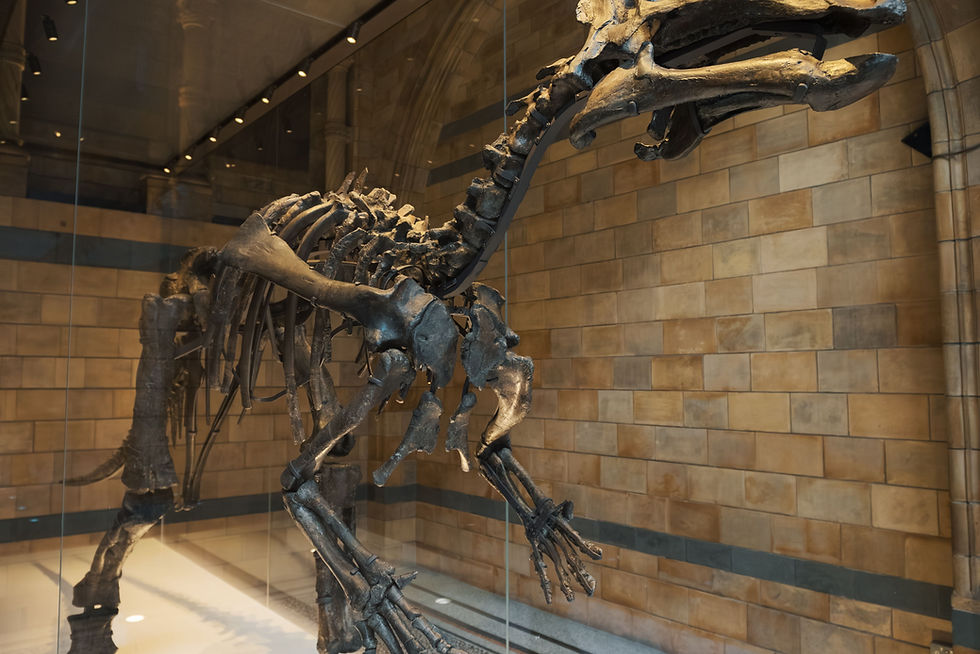
What makes a monster feel unforgettable before it even moves?
Monster design combines storytelling, anatomy and production planning to create a threat that works in motion. The strongest designs do more than look dangerous: they reveal how a creature hunts, senses, protects itself and changes the world around it. At Mimic Creatures, that process connects concept development with modeling, texturing, rigging, animation and final integration.
This guide explains a production-ready workflow for games, VFX and XR. It moves from story function and silhouette through anatomy, surfaces, performance and delivery, with practical checks that keep an expressive idea intact as it passes between departments.
Table of Contents
What Is Monster Design?

Monster design is the process of turning a narrative threat, mystery or obstacle into a creature that can be understood, built and performed on screen. A strong design explains what the monster wants, how it survives and why its presence changes the scene. Shape, anatomy, surface, sound and movement work together to create that impression.
The work reaches beyond a striking concept image. Production teams need orthographic views, scale references, material notes, deformation plans and behavior rules. Those decisions connect concept art to modeling, texturing, rigging, animation and final integration. The broader role is similar to the one described in our guide to what a creature designer does, but monsters place extra weight on threat, suspense and controlled visual reveals.
A useful monster is also specific to its medium. A film creature may depend on close-up skin detail and subtle facial performance. A game enemy must communicate attacks in a fraction of a second. An XR creature must remain convincing when the viewer can change distance and viewpoint at will. The design succeeds when its dramatic identity survives every technical constraint.
Start With Story Function and Fear

Before drawing teeth or adding horns, define the monster's job in the story. Is it a relentless hunter, a territorial animal, an ancient guardian or a tragic experiment? That function determines how the audience should read it. A hunter may feel efficient and alert, while a guardian can appear heavy, patient and impossible to move.
Choose the emotional response with equal care. Fear can come from speed, size, silence, unpredictability, contamination or an almost human expression. Select one dominant source of tension and support it with a secondary trait. Too many unrelated horror signals produce visual noise and make the creature harder to remember.
Write a compact design brief with habitat, diet, intelligence, injuries, age, social behavior and limits. Add the scenes that matter most: first reveal, pursuit, combat, close-up and defeat. This keeps concept exploration connected to production needs. Our guide on how to design a creature offers a practical foundation for building that brief and testing ideas before detailed modeling begins.
Contradictions often create the most memorable behavior. A huge monster that moves quietly, a fragile animal with a violent defense or a beautiful creature with an unsettling feeding method can feel fresh without becoming random. Each contradiction should still have a biological or narrative explanation.
Build a Readable Silhouette and Scale

A monster should be recognizable as a flat shape before surface detail is added. Start with small black thumbnails and vary the spine, limb count, center of mass, head-to-body ratio and negative space. Test standing, crouching, attacking and recovering poses. A silhouette that only works in a neutral pose will weaken as soon as animation begins.
Proportion communicates behavior quickly. Long distal limbs suggest speed or reach. A low chest and wide stance imply traction and weight. A reduced head can make a large body feel more massive, while prominent sensory organs suggest an animal that searches and reacts. Keep one or two signature shapes that remain visible from the camera angles used most often.
Scale needs evidence inside the frame. Compare the monster with doors, vehicles, vegetation, architecture or a human figure. Add contact effects such as compressed ground, displaced dust and secondary motion. Without these relationships, even a carefully modeled giant can look like a small asset photographed close to the camera.
Human traits also need restraint. A readable hand, shoulder line or gaze can create empathy, but too many human proportions can weaken an otherwise animal design. The distinction between creature design and character design helps teams decide how much personality, symbolism and performance the silhouette must carry.
Design Believable Anatomy and Surfaces

Believable anatomy does not require copying one real animal. It requires a consistent system. Decide where the skeleton carries weight, which muscle groups create the main actions and how the organs fit inside the torso. Reference several species with similar functions, then combine their principles instead of pasting recognizable parts together.
Every feature should affect another feature. Heavy armor changes flexibility. A long jaw changes neck support. Wings affect the chest and shoulder girdle. A tail used for balance changes the pelvis and gait. These dependencies give the design coherence and help riggers predict where deformation must be tested.
Surface design should reinforce age, habitat and behavior. Thick plates belong where impacts occur. Softer folds appear around joints. Moisture, scars, parasites, worn claws and color variation can reveal how the animal lives. Use large material zones first, medium breakup second and fine pores or scales last. That order keeps the creature readable at distance.
Production-ready creature texturing also depends on lighting and shot scale. Test roughness, subsurface response and displacement in the intended renderer, because a dramatic concept paintover can hide material problems that become obvious in motion or close-up.
Plan Movement, Rigging and Performance
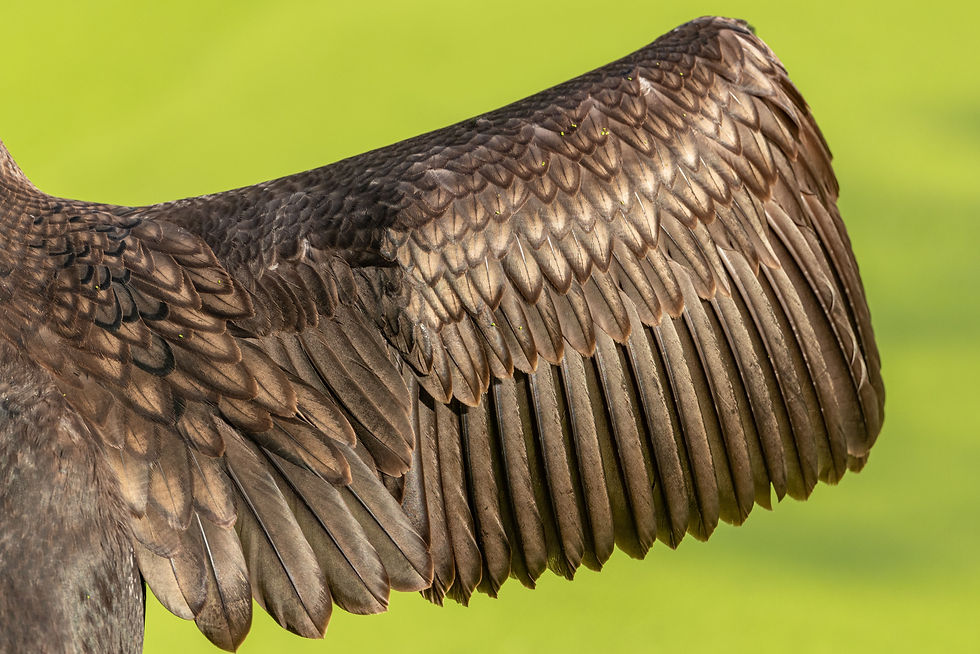
Movement should be designed while the silhouette and anatomy are still flexible. Define the monster's resting pose, locomotion cycles, turning radius, attack range, recovery time and emotional tells. A creature that looks powerful in a still image may become awkward if its limbs collide or its center of mass cannot travel through the planned gait.
Build motion rules from weight and intent. Heavy creatures anticipate, accelerate and settle differently from light ones. Predators conserve energy until a decisive action, while nervous animals scan and redirect rapidly. Repeated rhythms make the audience learn the creature, and carefully timed exceptions create surprise.
Rigging requirements belong in early reviews. Mark joint locations, stretch limits, areas that must preserve volume and surfaces that slide over one another. Include controls for breathing, swallowing, eye focus, lips, nostrils and small asymmetries where close performance matters. Our quadruped animation guide explains how balance and footfall patterns support convincing weight.
For unusual bodies, reference capture can still provide timing and intent. Creature motion capture works best as a performance source that animators reinterpret for the new anatomy. It can preserve urgency, hesitation and rhythm even when the final monster has a different number of limbs.
Adapt the Monster for Games, VFX and XR
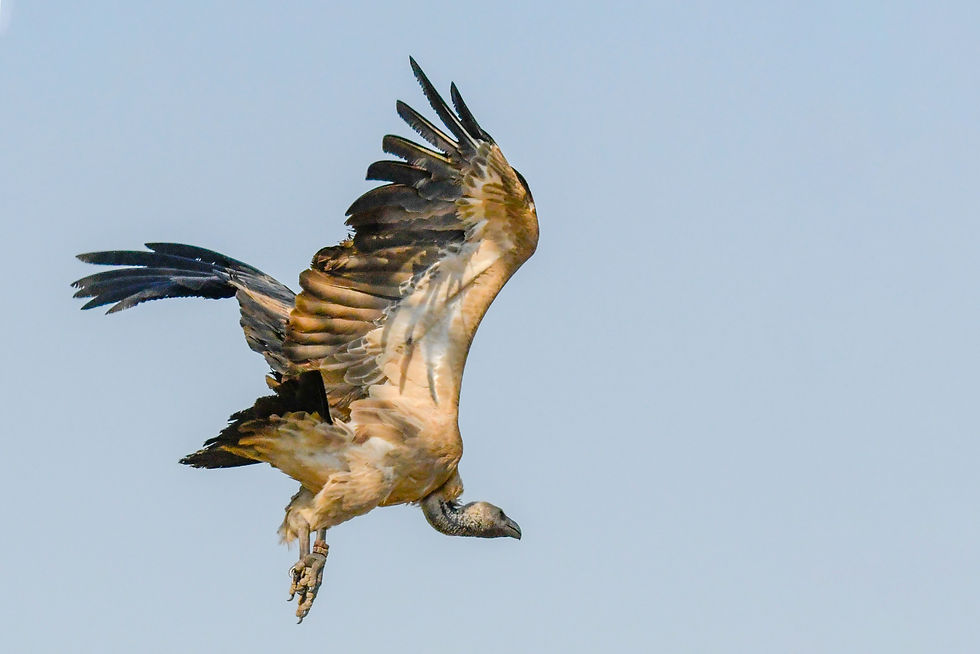
Game monsters must communicate state and intent during play. Silhouette changes, animation windups, color accents and sound cues tell the player when an attack starts, where danger will land and when an opening appears. Geometry, materials and secondary motion need scalable levels of detail, predictable budgets and clean collision behavior.
VFX monsters are judged shot by shot. Close views demand facial nuance, skin behavior and integration with photographed light. Wide action may need simulation, crowds or destruction. The asset should support both extremes without forcing every department to carry unnecessary complexity through every shot.
XR changes the relationship between creature and viewer. Stereo depth exposes scale errors, while free head movement reveals angles that a fixed camera could hide. Comfortable proximity, spatial audio, gaze behavior and responsive movement become part of the design. The creature must feel present without confusing or overwhelming the participant.
A shared source asset can support all three media when teams plan variants from the start. Our technology overview explains how real-time rendering, scanning, motion capture and AI-assisted animation can connect the creative design to efficient production.
Test, Integrate and Deliver the Creature

Test the monster in representative shots or gameplay as early as possible. Use simple geometry to check framing, navigation, reach, eye lines and contact before investing in final detail. Then review the finished asset under neutral light, dramatic light, motion blur, depth of field and the actual camera distances.
Quality assurance should cover both appearance and behavior. Look for mesh intersections, texture seams, unstable simulations, foot sliding, broken constraints, clipping accessories and inconsistent scale. Confirm that animation states transition cleanly and that the monster responds correctly to terrain, props, characters and effects.
A delivery package should include named files, version information, scale and axis conventions, material assignments, texture maps, rig documentation, animation lists and known limitations. Clear ownership of fixes prevents late production problems from circulating between departments. A structured creature QA process makes these checks repeatable.
Finally, preserve the design logic. A short guide to anatomy, behavior, palette, movement rules and forbidden changes helps future artists extend the creature without losing its identity. That documentation is especially valuable when the same monster moves from a film asset to a real-time experience or returns in later episodes.
Monster Design FAQ
What makes a monster design effective?
An effective monster has a clear story function, a recognizable silhouette and anatomy that supports its behavior. Its materials, movement and sound reinforce the same central idea, while production choices suit the intended camera, platform and performance needs.
How do you start designing a monster?
Start with the monster's role, habitat, behavior and emotional effect on the audience. Create a brief, gather functional animal references and explore many small silhouettes before committing to anatomy or surface detail.
How is monster design different from creature design?
Creature design can cover animals, companions and neutral species as well as threats. Monster design usually adds a stronger focus on fear, conflict, visual reveals and the dramatic rules that control how the audience encounters the being.
Does a fantasy monster need realistic anatomy?
It needs consistent anatomy rather than literal realism. Viewers accept unusual structures when bones, muscles, balance and range of motion follow understandable rules and when each feature affects the rest of the body.
What should a monster design brief include?
Include story role, environment, scale, diet, intelligence, behavior, injuries, key actions, required expressions, target platform, camera distances, technical budgets, delivery formats and approval milestones.
When should rigging begin in the monster design process?
Rigging planning should begin during concept development. Early joint, deformation and range-of-motion tests reveal problems before detailed modeling and texturing make proportion changes expensive.
How do you make a giant monster feel large?
Use familiar scale references, slower acceleration, visible weight transfer, environmental interaction, atmospheric depth, appropriate lens choices and sound with long low-frequency energy. Consistent contact and timing matter more than adding surface detail alone.
How should monster design change for games?
Game designs need readable attacks, strong state changes, clear collision volumes, scalable geometry and materials, and animation that remains understandable during player-controlled cameras and unpredictable encounters.
What changes when designing monsters for XR?
XR requires reliable stereo scale, convincing views from many angles, comfortable proximity, spatial sound and responsive behavior. Designers must test how the creature reacts when a participant approaches, retreats or looks away.
What files should a finished monster package contain?
A complete package commonly includes source models, approved meshes, textures, shaders, rig files, animation clips, scale references, technical documentation, previews, version notes and a list of known limitations.
Conclusion: Make the Monster Serve the Story
A memorable monster grows from one clear dramatic purpose. Story function guides the silhouette, anatomy supports the movement, surfaces reveal a lived history and technical planning protects the idea through production. When those decisions agree, the creature feels intentional in a still frame, a close performance and an interactive encounter.
Ready to turn a monster concept into a production-ready digital creature? Explore Mimic Creatures and start a conversation about your project.


Comments